
What Makes Someone Truly Strong?
Recently, I’ve had the chance to talk about Billions with different people outside of school. Back in Korea, I was the only one who knew about the show, but here, when I mention Billions to people in finance, they almost always recognize it and love it. Every time I talk about Billions, I mention Wendy as my role model because she is insanely strong. It’s not just physical strength; it’s her mental resilience, her ability to handle stress, the way she interacts with people, and how she perceives and navigates difficult situations. Her actions and decision-making process have influenced me a lot. Honestly, at least 50% of the reason I watched Billions was because of Wendy.
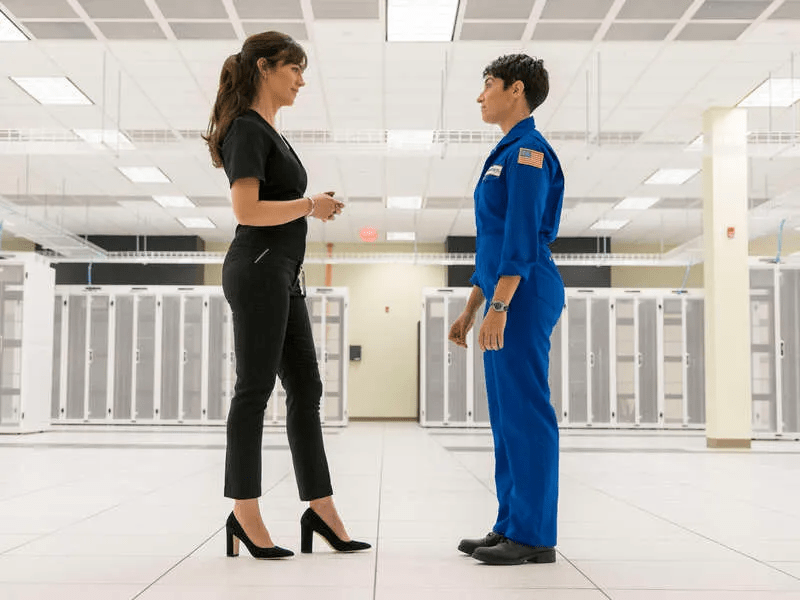
There are many memorable scenes in Billions, but the one that still comes to my mind the most is from Season 2, where Wendy works as a freelancer for a space company. She is responsible for evaluating whether a final astronaut candidate is mentally prepared for space travel. I don’t remember every detail of the scenario, but here’s what I recall: Wendy conducts various psychological evaluations on the astronaut, and just when it seems certain that he will be selected, she asks one final question—“Is there anyone you will miss when you go to space?” The candidate firmly responds, “No.” Wendy asks why, and she explains that she has deliberately avoided forming deep friendships or romantic relationships to eliminate the stress of missing someone. Wendy then gives her a subtle but telling look—questioning whether she can truly endure emotional isolation in extreme conditions. In the end, Wendy deems her psychologically unfit for space travel, and instead, the CEO of the company takes his place. (There’s more to the story, but I’ll leave that out since it’s not directly related to this topic.)
This scene stands out because, in a show filled with legal and financial battles where everyone is constantly trying to outmaneuver each other, it’s one of the rare moments that focuses purely on human nature. Maybe that’s why it stays with me. More than that, it’s a scene that makes you reflect on what true strength is. Does suppressing, controlling, and avoiding emotions make a person stronger? Or is it the ability to face emotions—whether sadness, joy, or the bonds we form with others—that gives us the resilience to endure extreme challenges? This moment in Billions is a powerful reminder of what it means to be truly strong.korean
요즘 학교 밖의 여러 사람들과 이야기하며, 빌리언스에 대해 이야기 할 기회가 좀 있었다. 한국에서는 나만 빌리언스를 알고 있었는데 여기서는 금융권에서 일하는 사람들한테 빌리언스 운을 띄우면 보통 다들 알고, 엄청 좋아하는 것 같다. 난 빌리언스 얘기를 항상 할 때마다 Wendy를 내 롤모델로 꼽는데, 왜냐하면 그녀는 빌어먹게 강한 사람이기 때문이다. 육체적인 강함 뿐만 아니라 그녀의 정신력, 스트레스 대처, 주변 사람들을 대하는 태도, 문제 상황을 인식하는 방식 등 그녀의 행동, 그녀의 선택 프로세스는 나에게 많은 영향을 줬다. 내가 빌리언스를 본 이유 중 50% 정도는 단지 Wendy 때문일 것이다.
빌리언스에서 강하게 기억나는 몇몇 신들이 있지만, 아직도 가장 많이 생각나는 신은 시즌2에서 웬디가 프리랜서로 한 우주선 회사에서 우주비행사를 최종 선발하는 과정에서 해당 우주비행사 후보생이 정신적으로 잘 준비가 되었는지 평가하는 일을 맡았을 때일 것이다. 사실 정확히 모든 시나리오가 다 기억이 나는 것은 아니다. 하지만 내가 기억하는 부분만 이야기 해보면, 웬디는 우주비행사와 여러가지 검사를 진행하고 거의 우주비행사의 선발이 기정사실화 되었을 때 우주비행사에게 우주에 나가면 그리워할 사람이나 관계(친구, 연인 등)가 없을것인가 하고 거의 마지막 질문을 했을 때이다. 해당 질문에 대해 후보생은 그럴 일이 없을 거라고 단호하게 이야기한다. 웬디는 그 이유를 묻는다. 후보생은 말한다. 그런 감정적 부담을 피하기 위해 친구나 연인을 만들지 않아왔다고. 그리고 웬디는 후보생이 극한 상황에서 감정적 고립을 견딜 수 있을까? 라는 의문을 나타내는 미묘한 표정을 짓는다. 그 이후, 그 후보생을 우주비행사에 심리적으로 부적합하다고 평가하고 결국 우주는 해당 회사 CEO가 가게 된다. (여기에도 다른 이야기가 있지만 이건 딱히 이 주제와 연결되는 내용은 아니라서 생략하겠다.)
이 신은 법과 금융이 서로에게 칼날을 들이대는 쫓고 쫓기는 신이 반복되는 빌리언스에서 몇 안되는 ‘인간’ 에 집중하는 신이었다. 그래서 더 기억에 남는지도 모른다. 게다가 무엇이 인간을 강하게 만드는지, 강하다는게 무엇인지 사유하게 만드는 소중한 신이기도 하다. 감정을 조절하고 억제하고 회피하는 것이 인간을 강하게 만드는지, 슬픔이든, 기쁨이든, 인간의 유대에서 얻을 수 있는 감정을 직면하는 것이 인간을 극한 상황에서 견딜 수 있게 강하게 만드는지 보여주는 상징적인 순간이라고 할 수 있겠다.
The Necessity of Rain for Growth
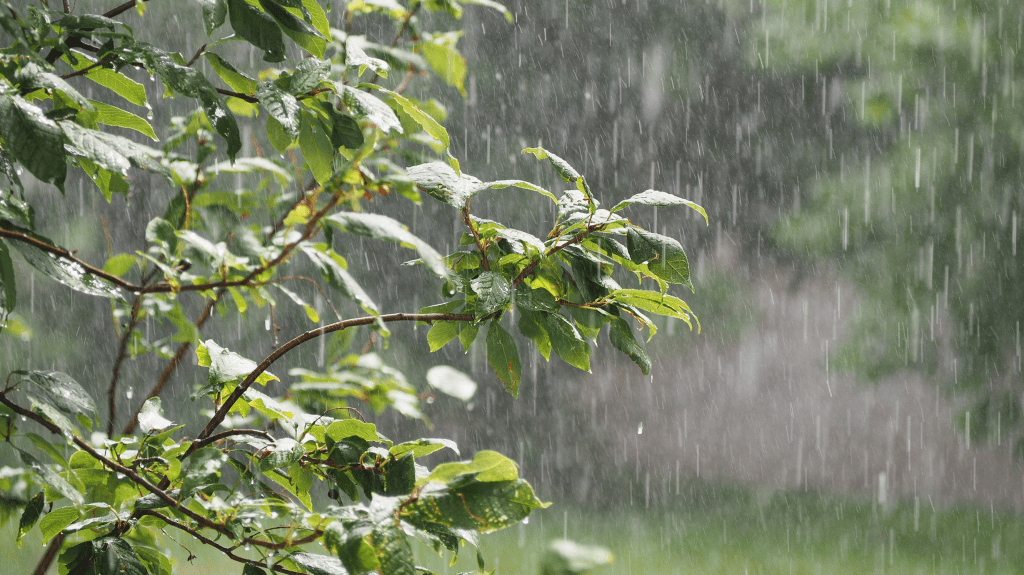
It has been about two years since this thought first came to me. One day after work in Korea, I got on a bus, and it happened to be raining. As I watched the raindrops slide down the window, a simple sentence—something straight out of a middle school science textbook—popped into my head:
“For plants to grow well, they need both sunlight and rain.”
And then I wondered—why sunlight and rain? Why is it that two opposing forces are necessary for growth? The funny thing is, they are so contrasting that they cannot exist at the same time. When the sun shines brightly, you cannot see the rain. When it rains, you cannot see the sun. In other words, a plant can never have both at once. Yet, despite being so fundamentally different, both are indispensable for a plant’s survival.
I don’t know whether the earth was created, programmed, or if it just ended up this way by sheer randomness. But one thing I find fascinating about the world is how a single fundamental principle often serves as a foundation for multiple phenomena—like axioms in mathematics. The necessity of both sunlight and water for plants can also explain what is needed for true human growth.
People often say that children should not be raised in a greenhouse. If a child grows up sheltered, they will struggle to interact effectively with the outside world when their parents are no longer around. They need to develop problem-solving skills. We hear similar advice when it comes to immunity—children should be exposed to some level of dirt and germs to strengthen their immune systems naturally. This concept aligns with how we care for plants. To prevent them from drying out, we must not only give them sunlight but also ensure they are exposed to water.
korean
이 생각이 떠오르게 된지는 약 2년정도가 된 것 같다. 한국의 회사에서 일을 마치고 버스에 타고, 그날따라 비가 내렸는데 창밖의 비가 내리는걸 보면서 ‘식물이 잘 자라기 위해서는 햇살과 비가 필요합니다’ 라는 중학교 과학 교과서에서나 봤을법한 문장이 떠올랐다. 그리고 왜 하필 햇살과 비일까? 라는 생각이 들었다. 왜 대비되는 두 가지가 성장에 필요할까. 웃긴게, 너무 대비되는 나머지 햇살이 환하게 비추는 날에는 비를 볼 수 없고 비가 내릴 때에는 햇살을 볼 수 없다. 즉 식물은 두 가지를 동시에 가질 수 없다는 것이다. 또한, 이 이상하리만치 다른 두 요소가 식물의 성장에 필수불가결한 요소라는 것이다.
누가 지구를 창조했는지, 프로그래밍 했는지, 혹은 지구가 빌어먹게 랜덤하게 이런식으로 생겨먹게 되었는지 모르겠지만 그래도 내가 지구에 대해 한가지 흥미를 가지는 지점은, 하나의 대규칙이 어떠한 전제가 되어 많은 현상에 적용이 된다는 것이다. 마치 수학의 공리처럼. 식물 성장에 필수적인 햇빛과 물은 인간의 진정한 성장을 설명하는 것에도 적용된다. 흔히들 이야기한다. 아이를 온실에 키우게 하면 안된다. 그럼 나중에 성장했을 때 부모가 없는 상황에서 아이는 효과적으로 외부세계와 상호작용 할 수 없다. 문제해결 능력을 키워야 한다. 수많은 조언들… 그리고 면역력 관련해서도 비슷한 이야기가 있다. 아이는 적당히 더럽게 키우는게 좋다. 자연스럽게 면역력이 길러져 질병을 이길 수 있게 해주는 힘을 길러줄 수 있다. 식물을 키울 때 말라죽지 않게 하는 방법과 궤를 같이 한다. 햇빛 뿐만 아니라 적절히 물에 노출되게 하여라.
Don’t run from the rain that soaks you to the bone
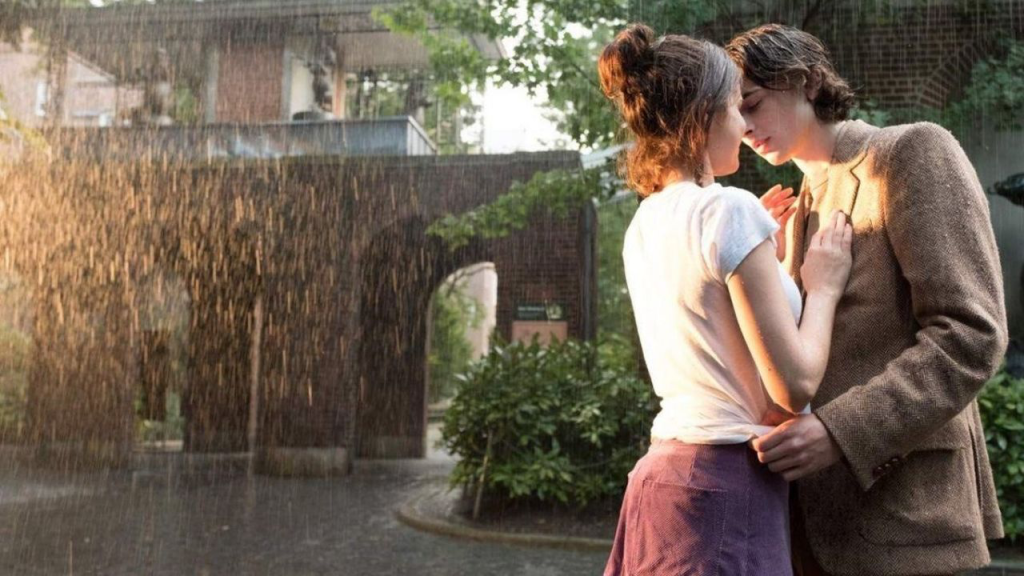
Thinking about rain reminds me of several Woody Allen films—Midnight in Paris and A Rainy Day in New York. In A Rainy Day in New York, Woody Allen contrasts those who embrace the rain and those who avoid it, subtly showing the audience who makes a truly compatible partner.
In his films, rain is not just about the weather. Rain represents the hardships in life that we cannot escape—the moments that bring us to tears, the heartbreaks of past relationships, the stress from work, and the uncertainty of the future. His films remind us: Don’t just try to avoid the rain. Find someone who will stand in the rain with you. That is what love is.
Love is not about basking in the sunshine of a perfect Hawaiian beach with a cocktail in hand. Love is about standing in the rain, fully prepared to be drenched. But there is no need to be afraid—because after the rain, the sun will always return.
korean
‘비’ 생각을 하니 우디 앨런의 여러 영화가 떠오른다. 미드나잇 인 파리, 그리고 레이니 데이 인 뉴욕. 특히나, 레이니 데이 인 뉴욕에서 우디 앨런은 비를 맞는 사람, 비를 맞지 않는 사람을 대비시키며 누가 파트너로 적합한지 관객들에게 보여준다. 그의 영화에서 비는 단순히 날씨를 의미하지 않는다. 그의 영화에서 비는 사람이 피할 수 없는 모든 종류의 시련을 의미한다. 나를 눈물짓게 하는 상황, 날 비참하게 한 지난 연애, 일에서의 스트레스, 불확실한 미래 등등. 그의 영화는 관객들에게 강조한다. 비를 피하려고만 하지 마세요. 나와 같이 비를 맞아줄 사람을 찾으세요. 그게 사랑이니까요.
사랑은 모든 것이 완벽한 하와이에서 햇살을 맞으며 칵테일을 마시는 게 아니다. 사랑은 온몸이 젖을 각오로 비 속에 서는 것이다. 하지만 두려워할 필요는 없다. 비가 내린 후에는 반드시 햇살이 찾아오니까.
Why Blue Is The Warmest Color
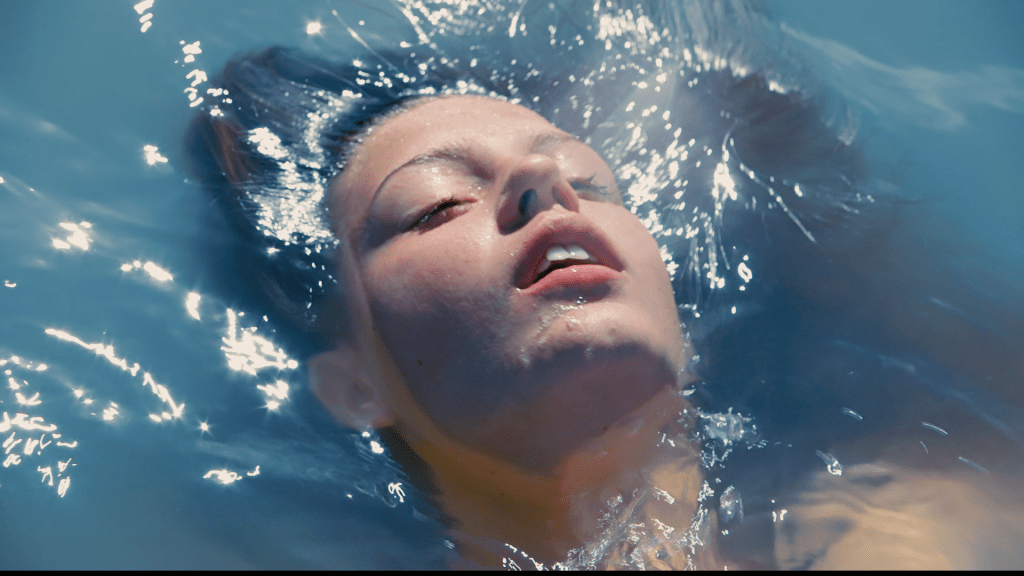
A few years ago, I watched Blue Is the Warmest Color, starring Léa Seydoux. As I walked out of the theater, I couldn’t help but wonder—Why is blue the warmest color? Was it simply a metaphor for sadness? At the time, I wasn’t sure. But today, while writing about water, I feel like I’m beginning to understand the title in a different way.
The human body is made up of about 60-70% water. In other words, it is water that makes up who we are and keeps us warm from the inside. The rain we associate with hardship, sadness, anxiety, and suffering—the water that forms that rain—the water that makes up our very being. Water flows most naturally when left uncontrolled. When a waterway is blocked, oxygen supply decreases. When water stagnates, nitrogen and phosphorus accumulate, leading to eutrophication and water pollution. Sediments build up and decay, disrupting ecosystems. And nature’s ability to purify itself gradually weakens.
The water within us can be linked to our emotions. The things that make our hearts race, the ones that make us fall in love, the ones that drag us into despair—our emotions shape the currents of water within us. What makes us strong is not restricting those currents, but rather, learning—through trial, through hardship—how to navigate them. Because I love myself, I do not resist the flow of water. I surrender to the rain.
Because in the end, my eternal partner is none other than myself.
korean
몇년 전, 레아 세이두의 Blue is the warmest color 라는 영화를 보았다. 당시 영화를 보고 나오면서 ‘그래서 왜 파란색이 가장 따뜻한 색이라는 거지?’ 라고 의문이 들었다. 단순히 우울과 관련된 것인가. 라는 생각이 들었는데 오늘 물에 대한 글을 쓰다보니 영화 제목에 대해 어렴풋이 이해가 가기 시작했다.
인간 몸의 약 6-70%는 수분으로 구성되어 있다. 즉, 우리를 구성하며 우리의 내부를 데우는 건 물이라는 것이다. 시련, 우울, 불안, 고통으로 여겨지는 비, 비를 구성하는 물, 물로 구성된 우리. 물의 흐름은 통제하지 않을 때 가장 자연스럽다. 물길이 막혀 정체되면 산소 공급이 줄어든다. 또한 물이 정체되면 질소와 인 같은 물질이 축적되면서 부영양화가 발생하고, 수질이 악화된다. 또한 퇴적물이 쌓이고 썩으면서 생태계가 파괴된다. 그리고 자연적인 자정 능력이 감소한다.
우리 몸속의 물은 곧 우리의 감정과 연결지을 수 있다. 심장을 뛰게하는 것들, 우리를 사랑에 빠지게 하는 것들, 우리를 절망에 빠지게 하는 것들, 우리의 감정은 그것들에 영향을 받아 몸속에서 특정 방향의 물길을 만든다. 우리를 강하게 하는 것은 그런 물길에 제한을 두는 것이 아니다. 물의 흐름을 인정하며 그 물을 다루는 방법을, 너무나도, 너무나도 처절하게 배우는 것이다. 자신을 사랑하기 때문에, 나는 물길을 거스르지 않고, 빗속에 나를 맡기는 것이다. 나의 영원한 파트너는 다름아닌 나 자신이기 때문에.
P.S Taking only the sweet things isn’t good for your health. If there were only sunshine in the world, all that would remain is a desert. If it only rained, there would be nothing but swamps. So, what is the right balance? Honestly, I don’t know. But perhaps strength is ultimately defined by how we face the world.

 Lighnity