

Does Art Perfect Religion, or Does Religion Perfect Art?
It hasn’t been long since I returned to New York from Rome, and yet as I sat down to write about my last day in Rome, I realized that some of my memories had already begun to blur. I should have started blogging sooner. If someone asked me to write about my trips to New York or Tokyo last year, I wouldn’t be able to—it’s all too gone now. Anyway, before my memories fade completely, I’m determined to finish this post.
After the southern Italy tour on my third day in Rome, I arrived late at my hotel and fell asleep immediately. Waking early, I prepared diligently to head to “a small country” (as they say, haha) and arrived at the meeting point near the Vatican at around 6:32 AM. The designated meeting time was 6:30 AM, so by the time I got there, no one else was around.
I quickly contacted the tour company, and they instructed me to head to the Vatican entrance. While making my way there, a Korean man approached me, saying he had also booked a Vatican tour but was late. Thank goodness, I thought, relieved to have someone to walk with. After about 3–4 minutes of walking, we found our guide and the rest of the group and entered the Vatican together.
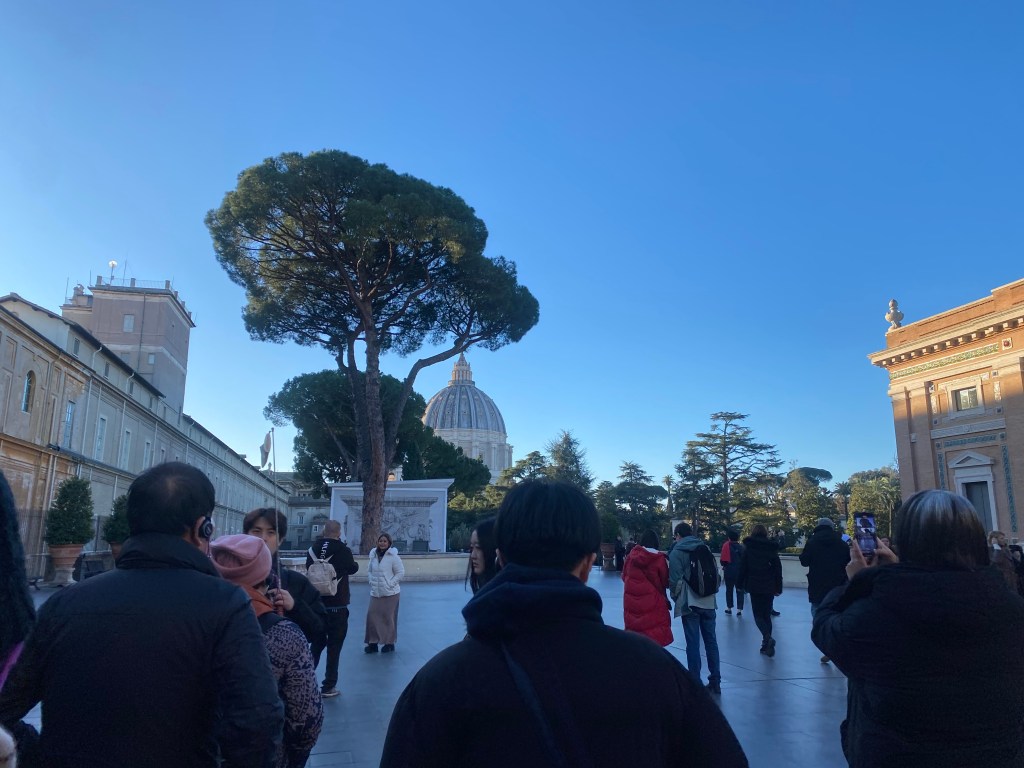
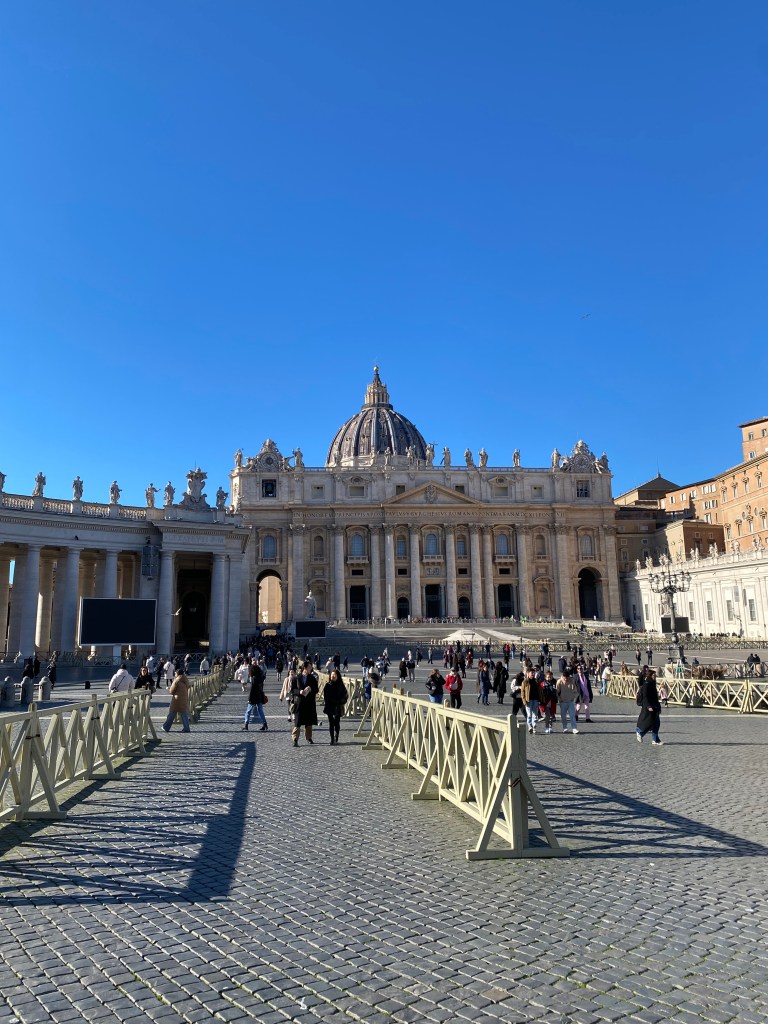
We arrived at around 6:45 AM, but the guide informed us that entry wouldn’t be allowed until 8 AM, meaning we had to wait. Did we really have to do this? I wondered. However, by the time it was past 7 AM, the line behind us had grown incredibly long. On top of that, the teams in front of and behind us were all Korean tour groups. Koreans truly are remarkable, I thought to myself. To keep us entertained in the cold, the guide told us interesting stories: the background of the Vatican, the borderline separating the Vatican and Rome (marked by a white painted line at the base of the Vatican wall), as well as detailed explanations about Michelangelo, Raphael, famous sculptures, and the characteristics of each era—ancient, medieval, Renaissance, and Baroque. Listening to these stories, time flew by, and soon it was past 8 AM. Our team was the second to enter.
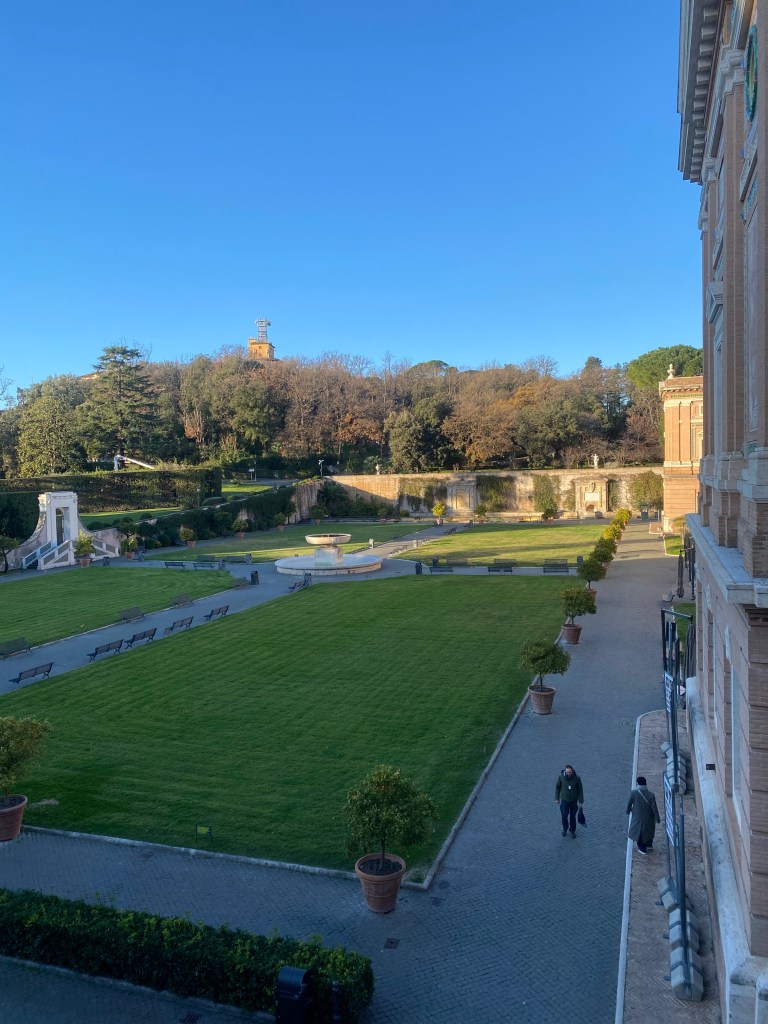
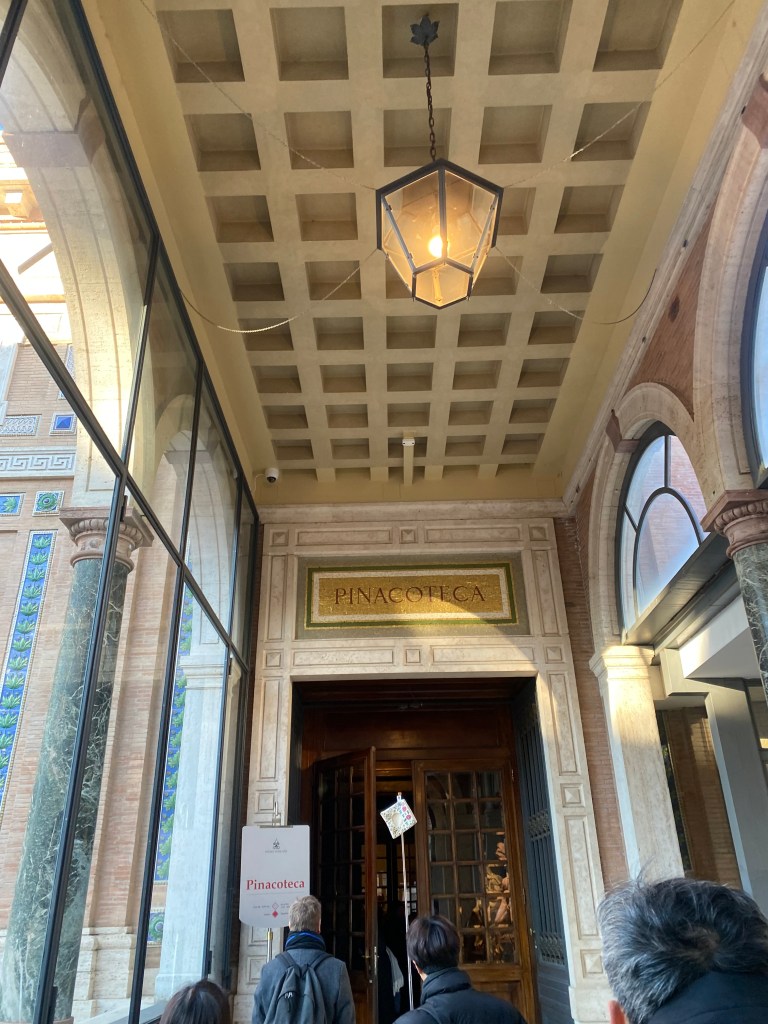
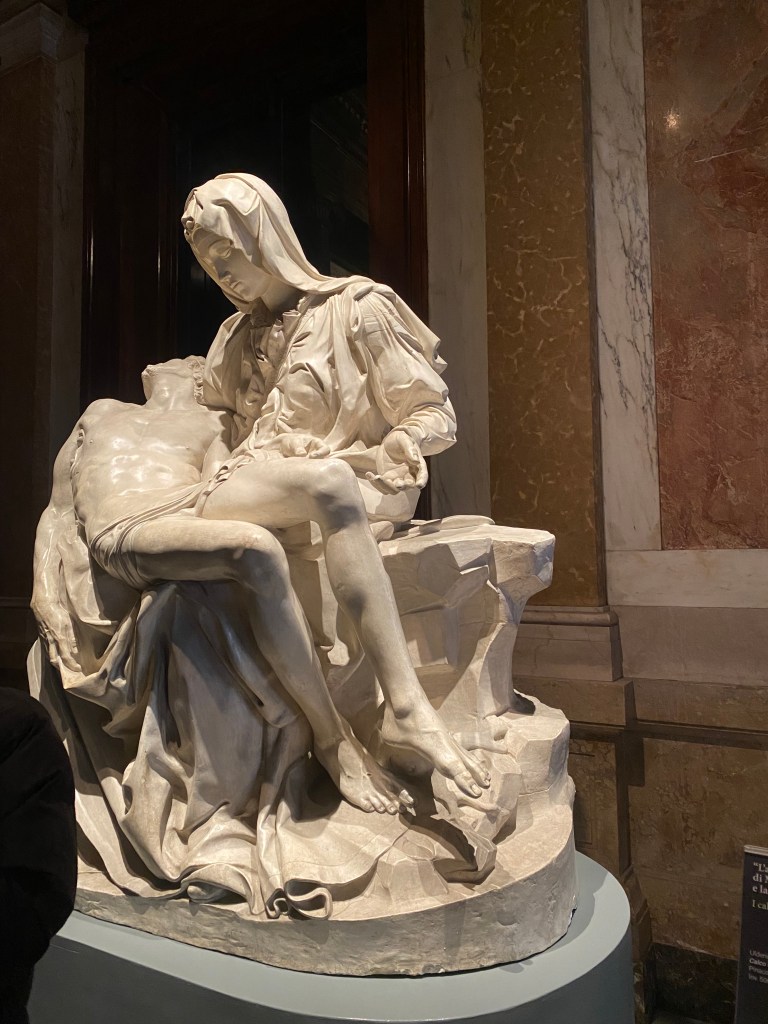
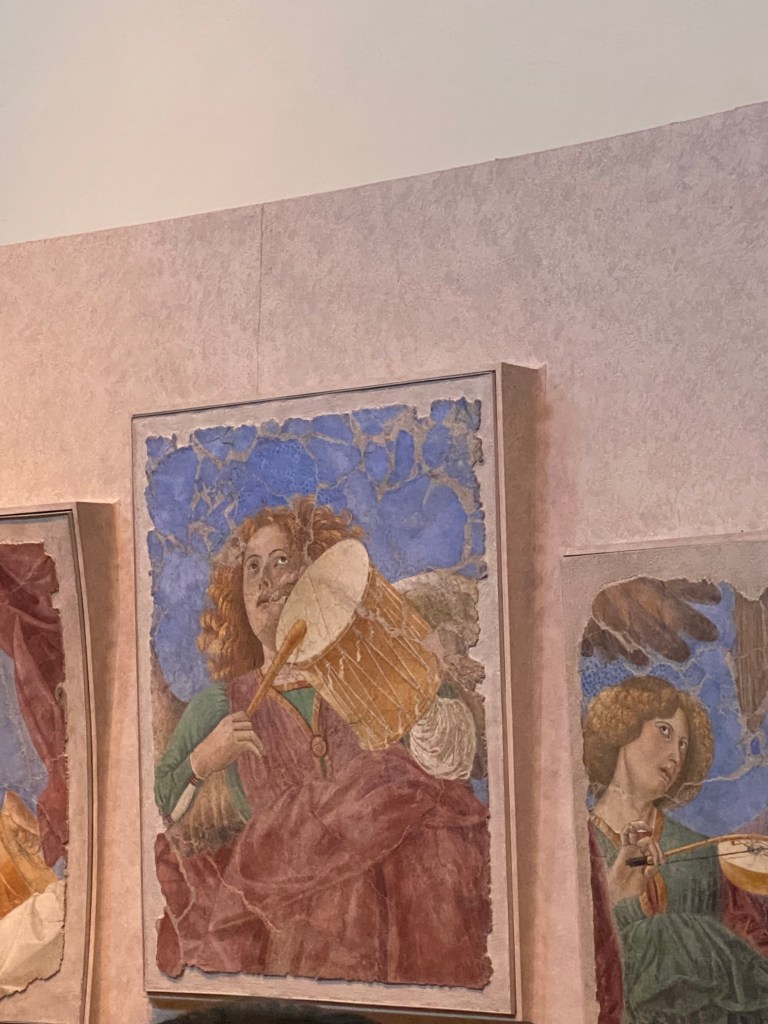
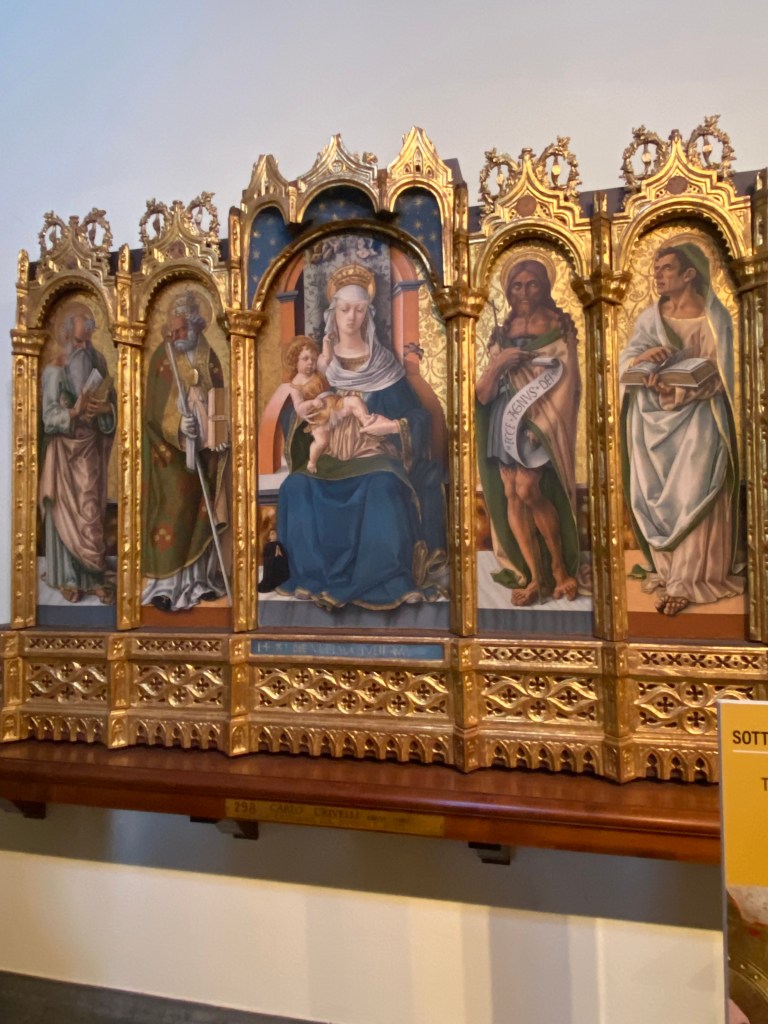
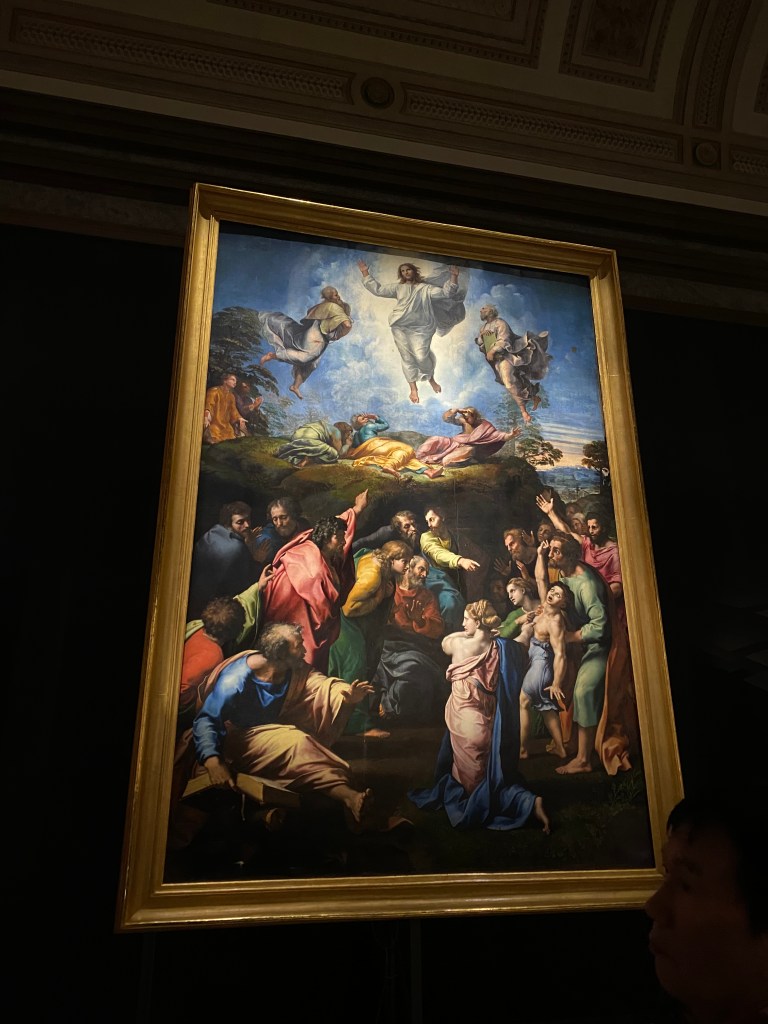
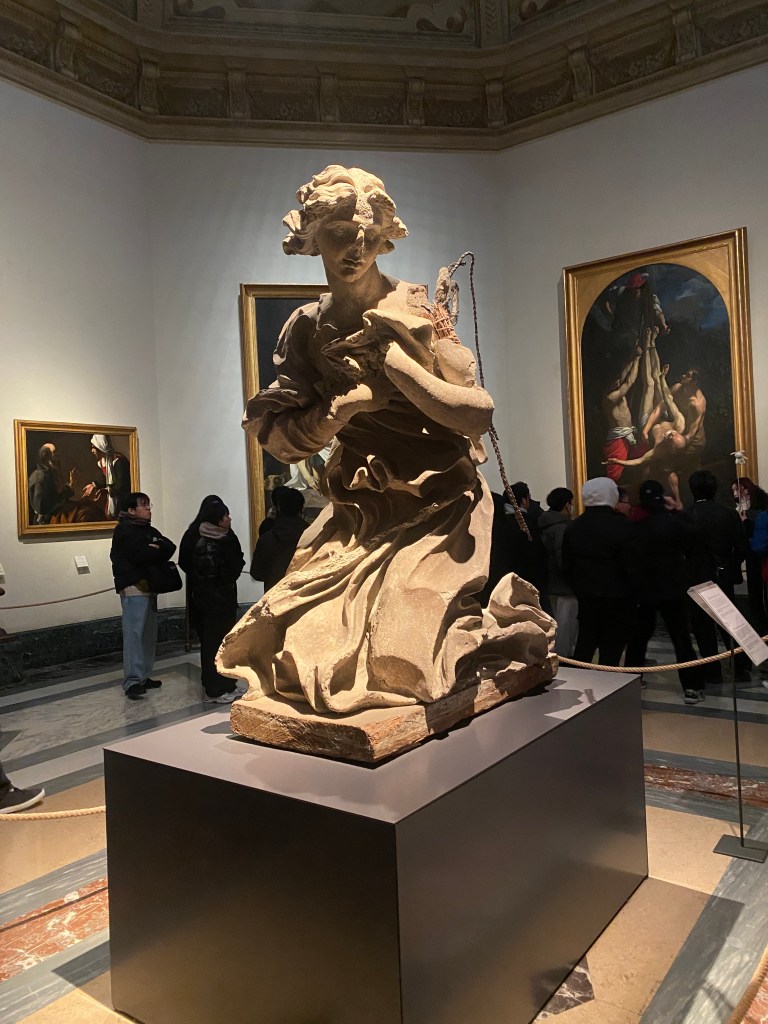
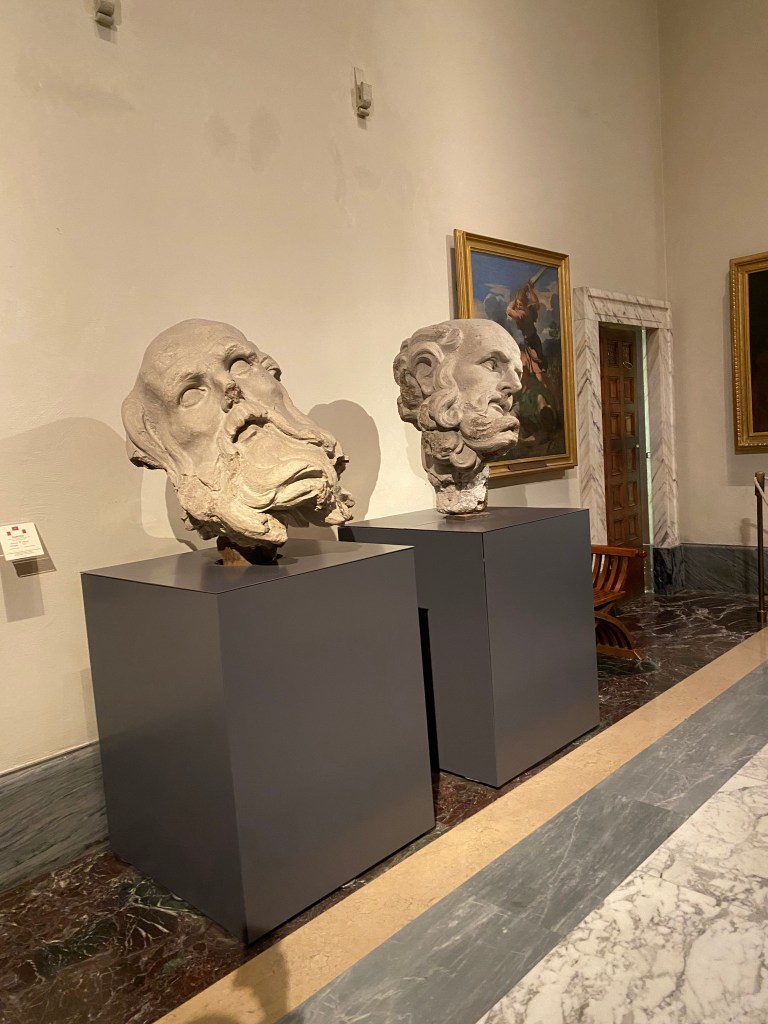
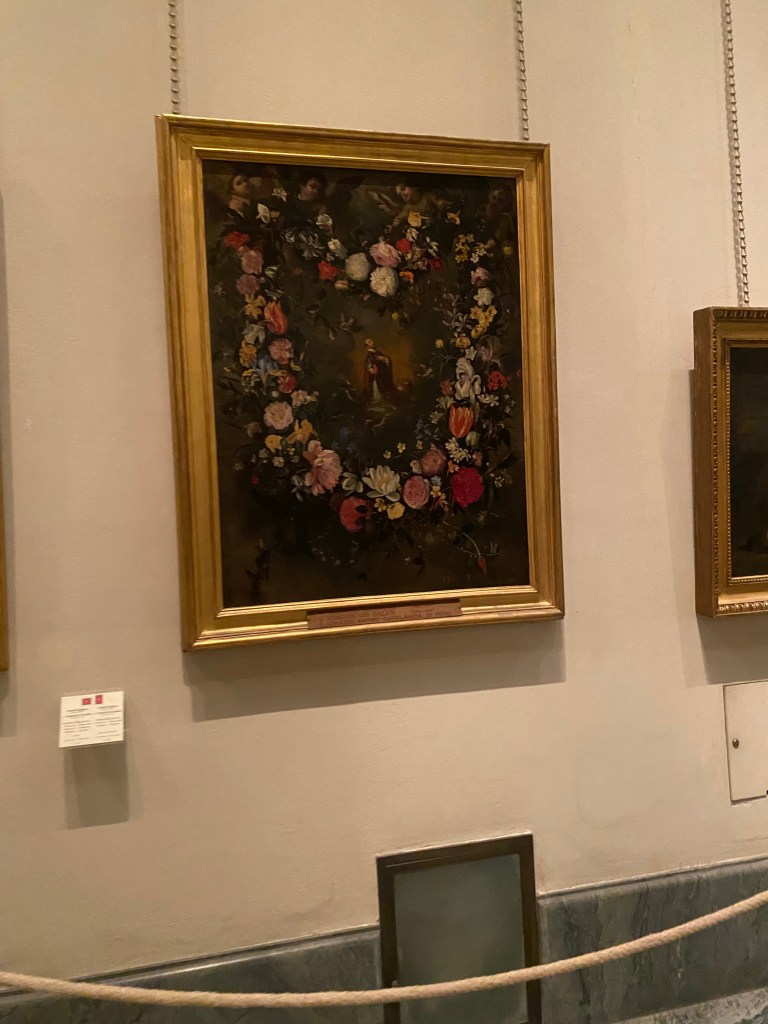
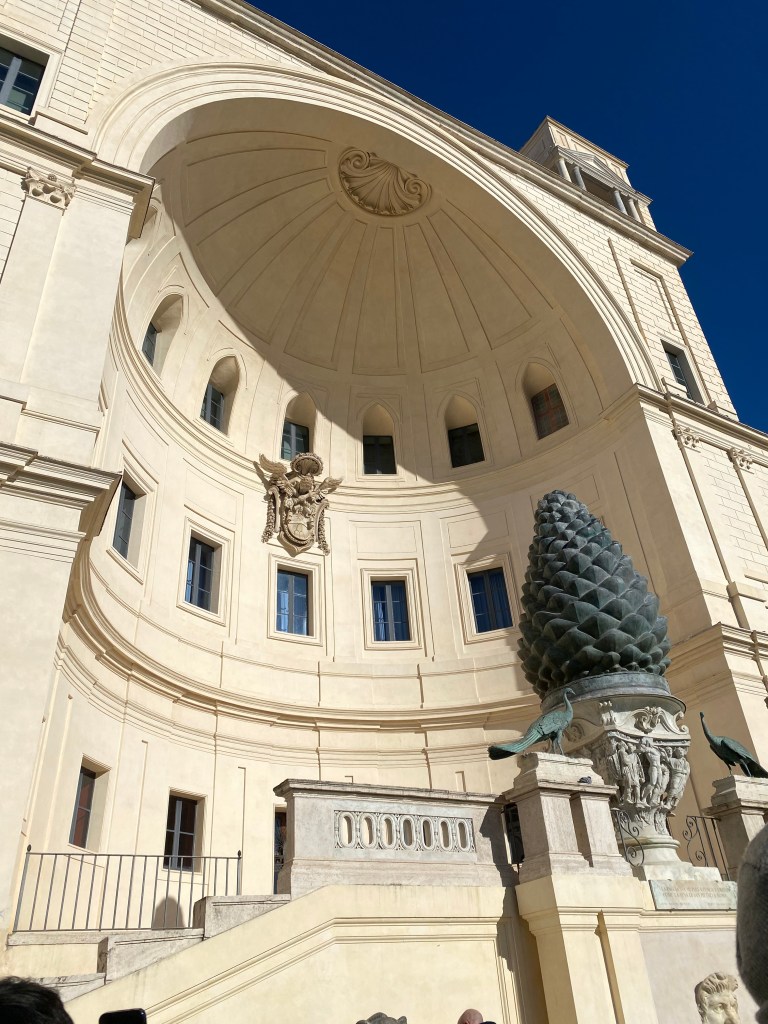
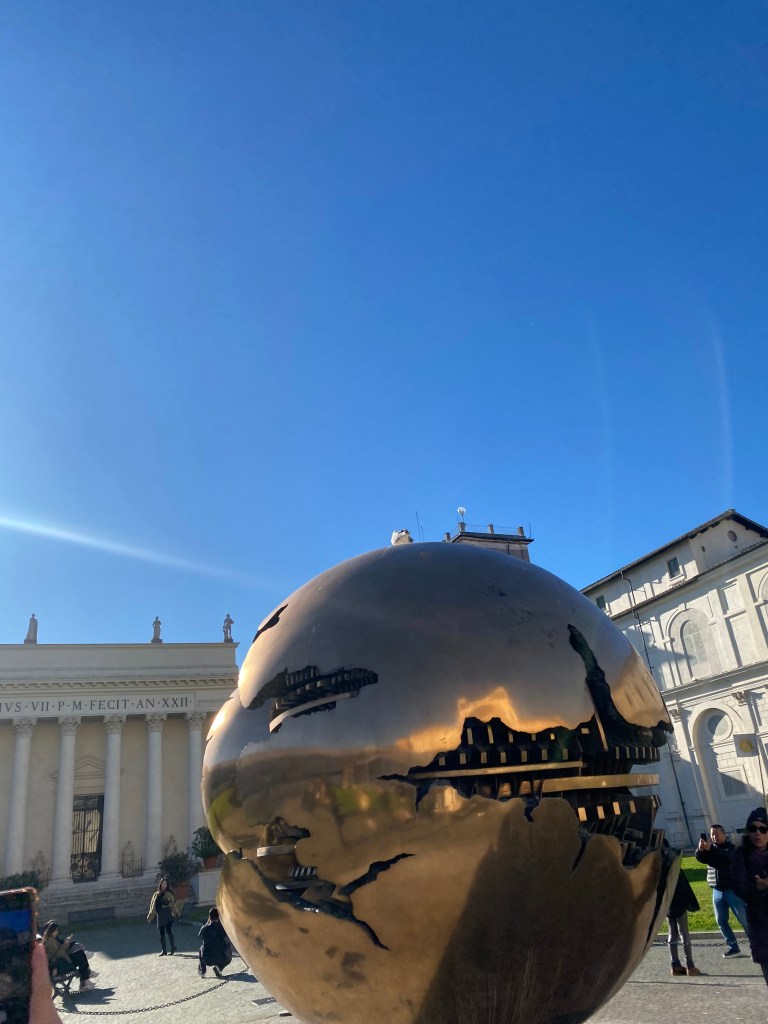
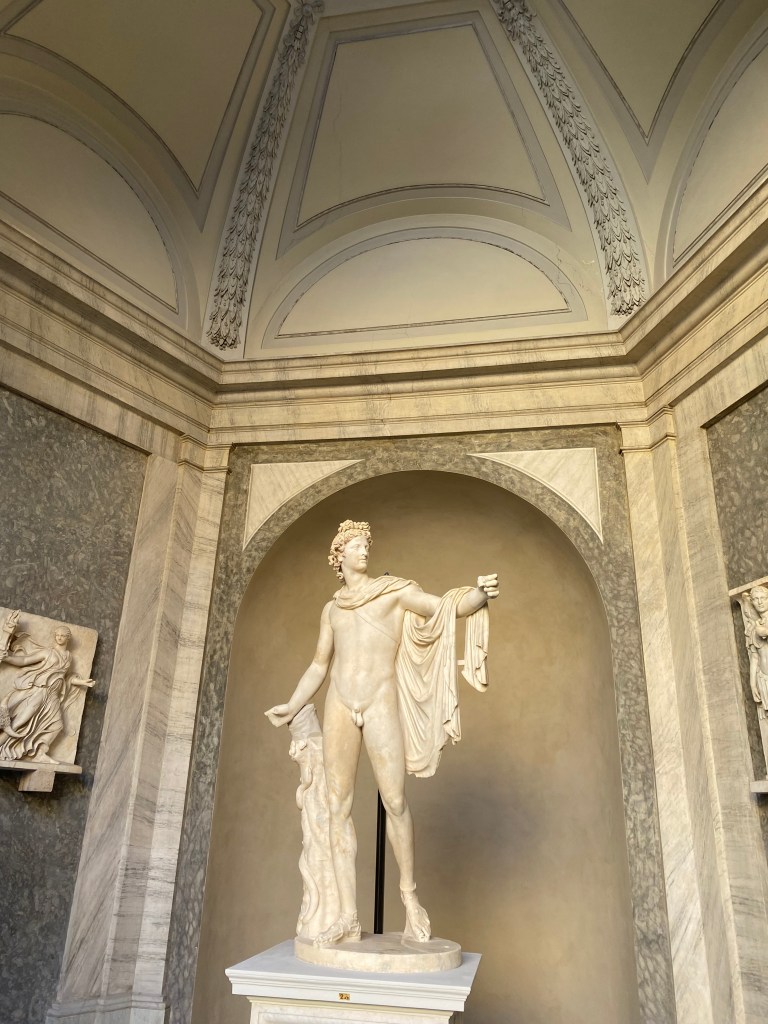
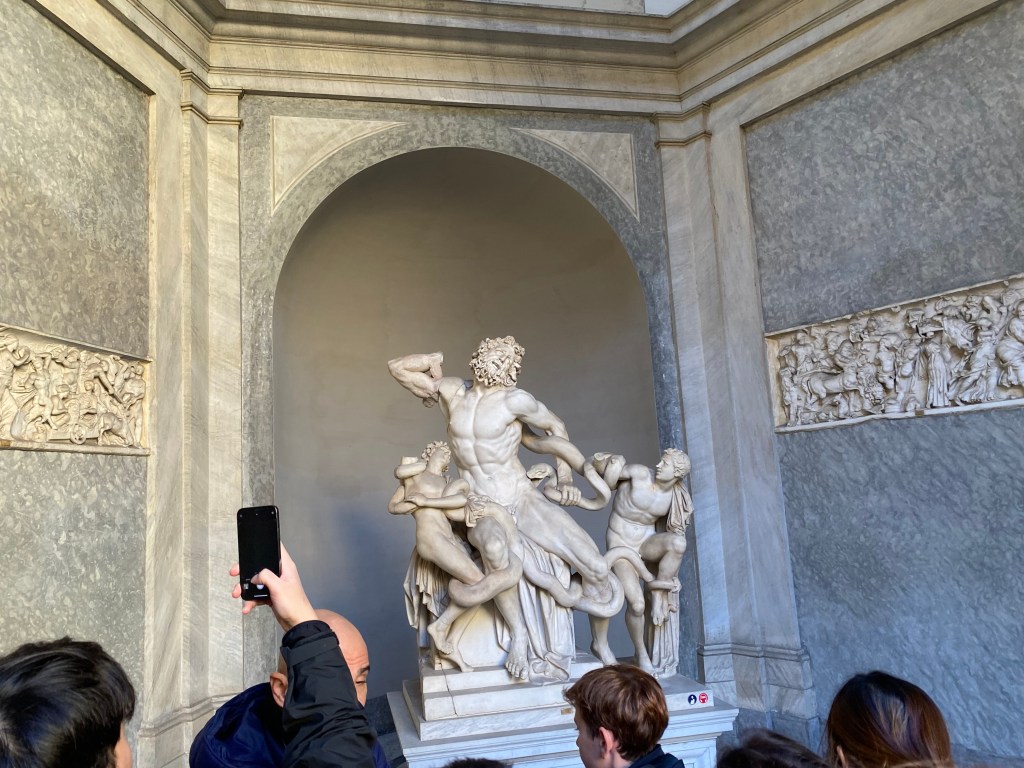
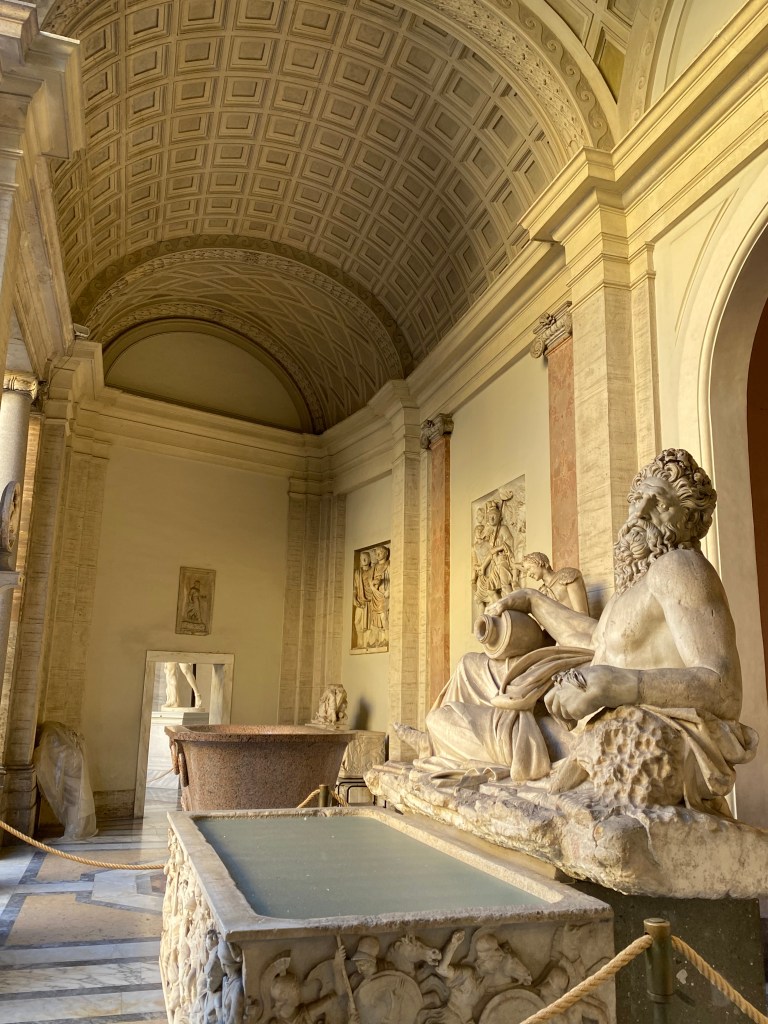
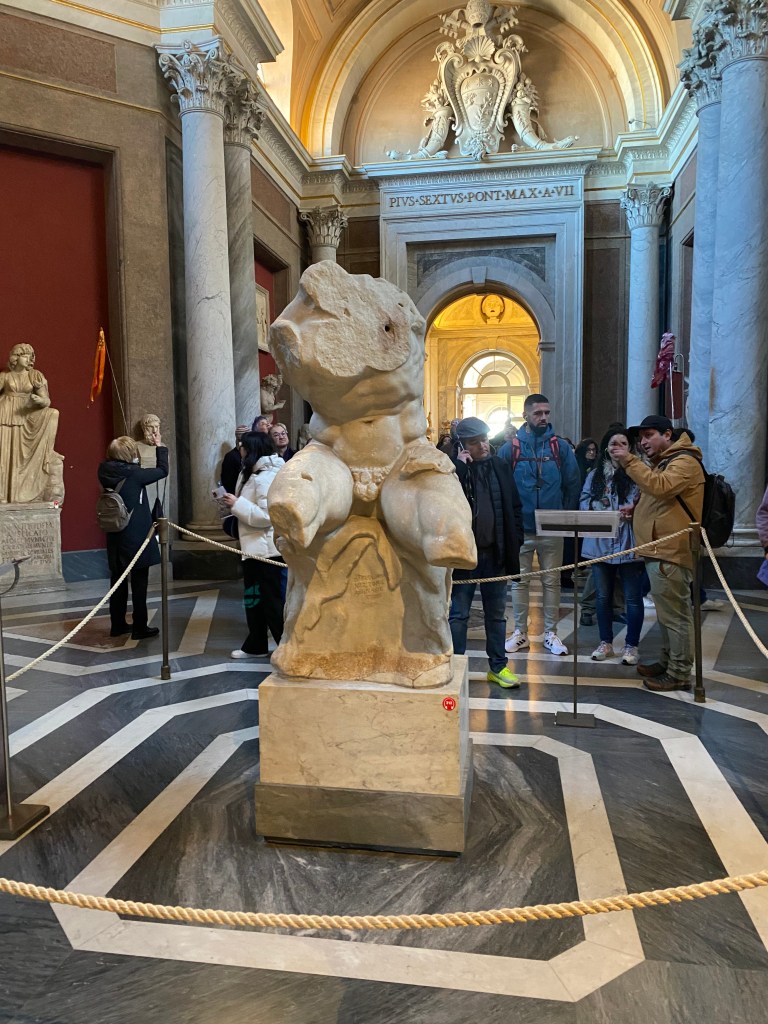
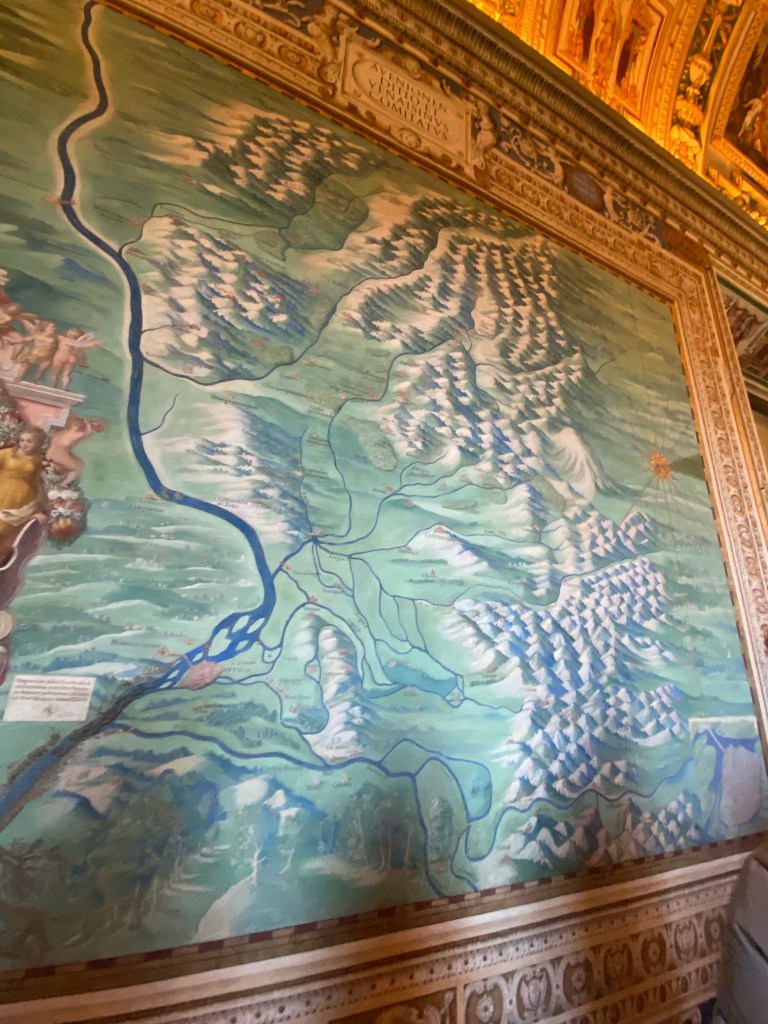
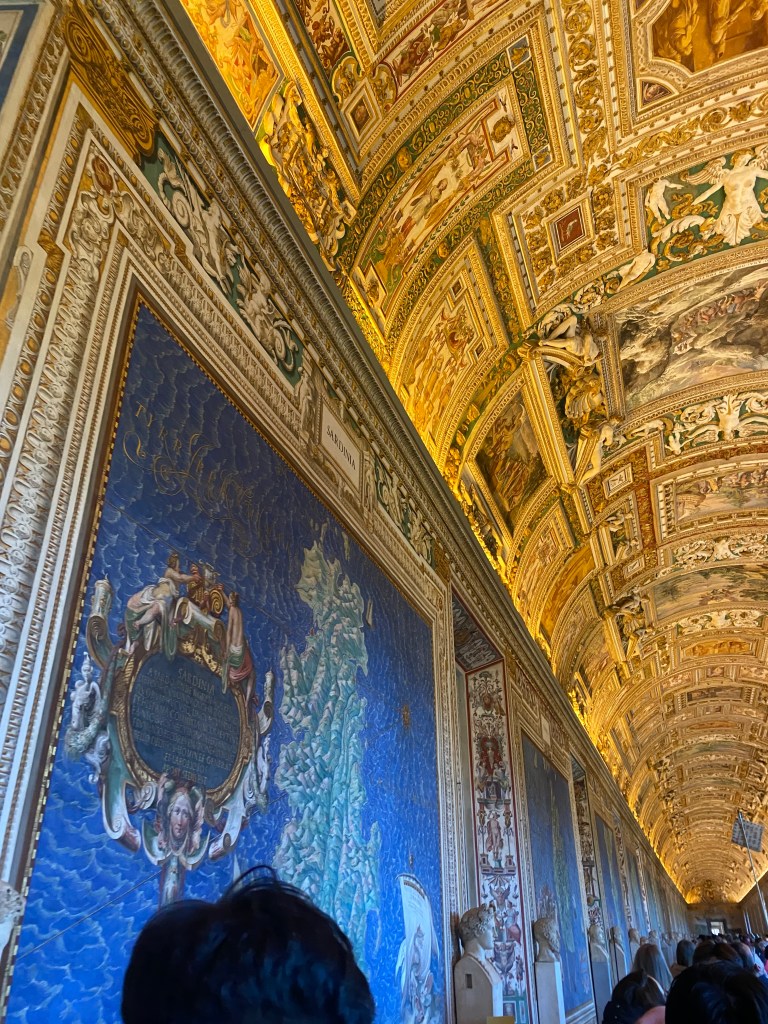
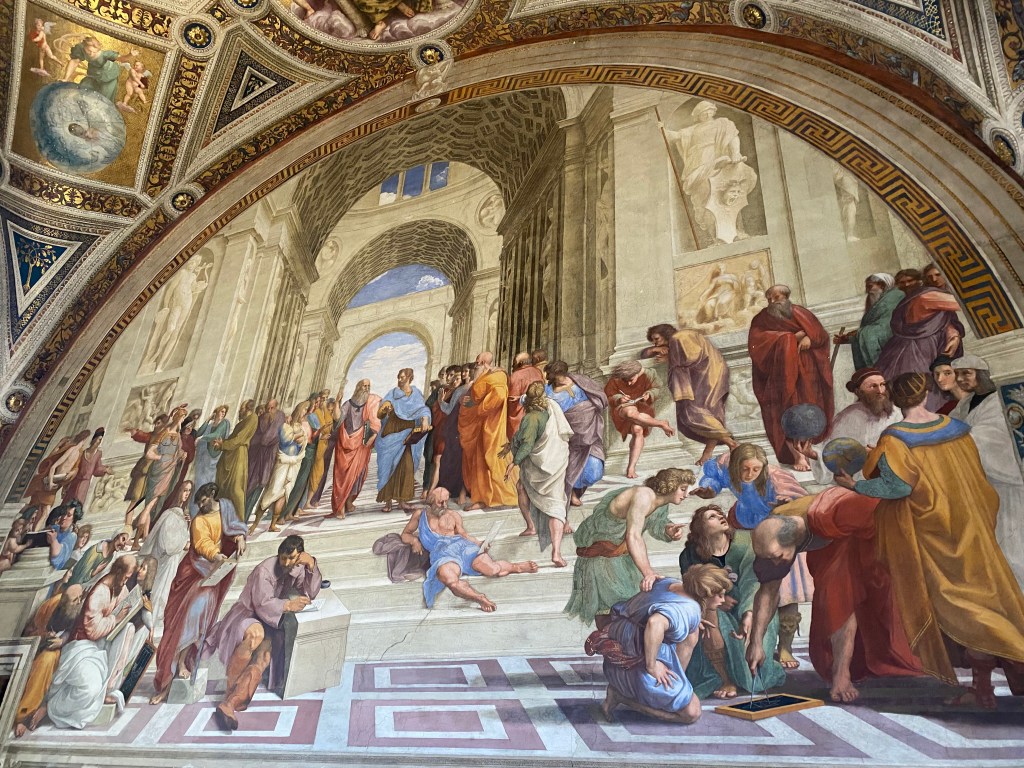
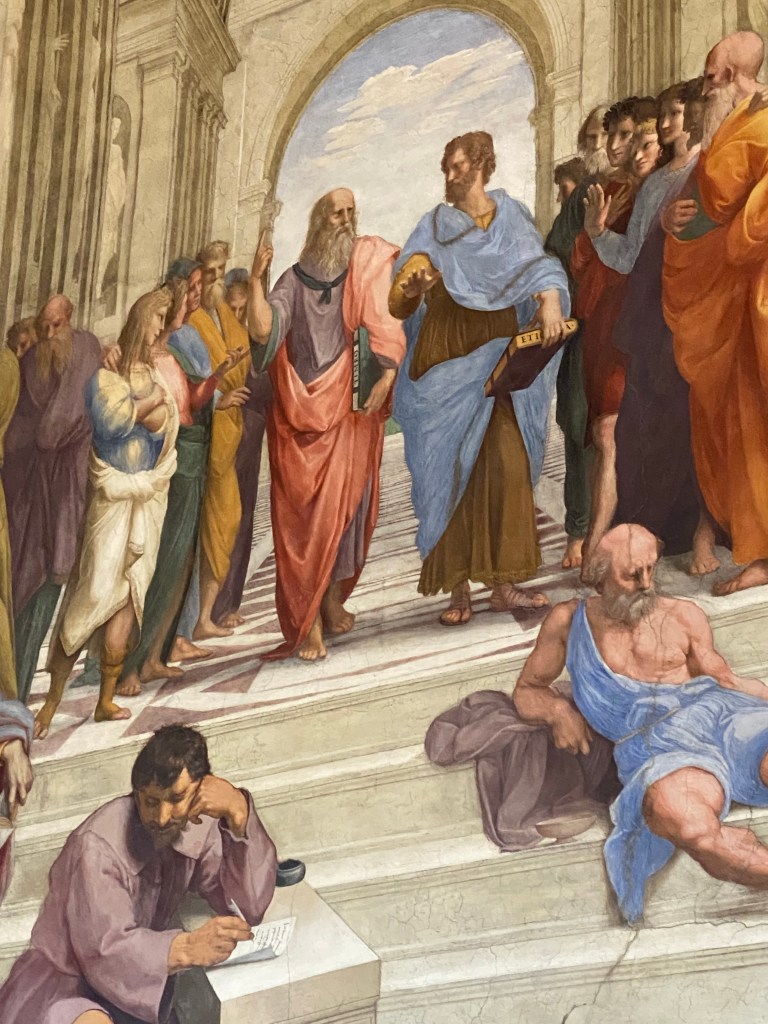
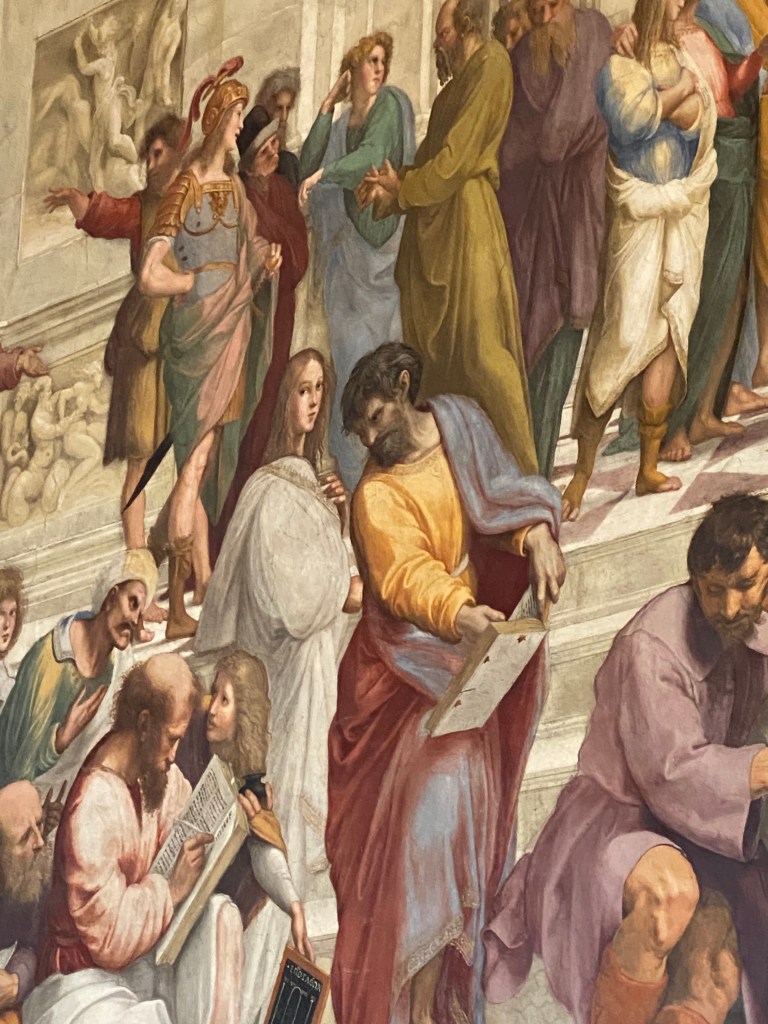
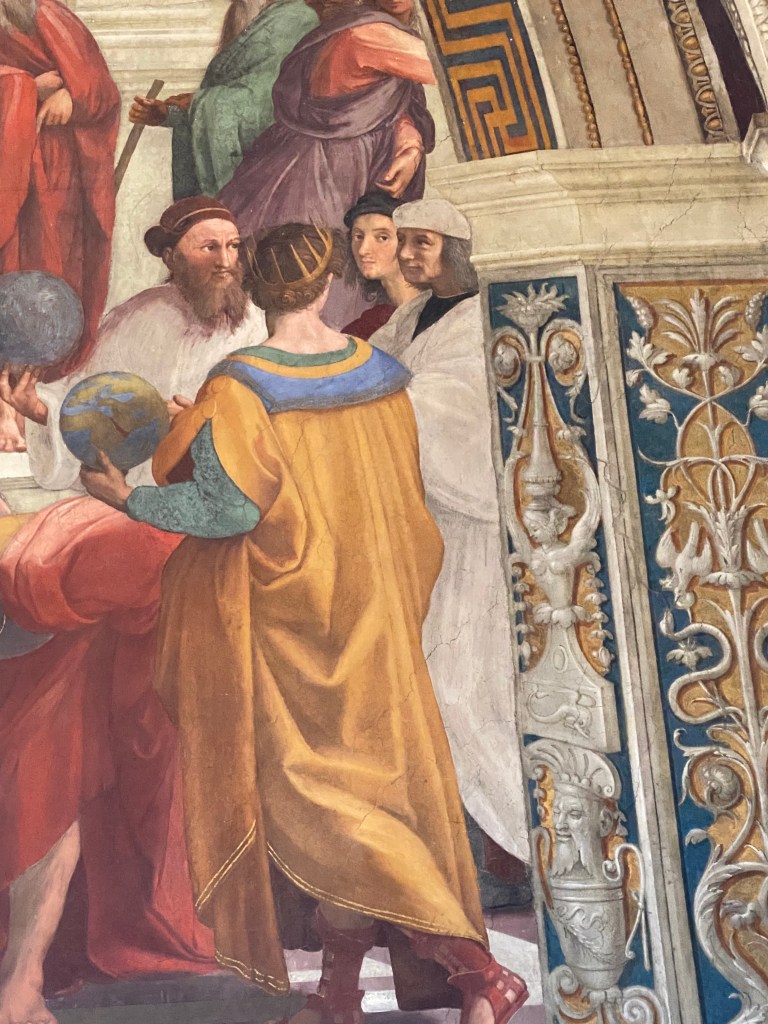
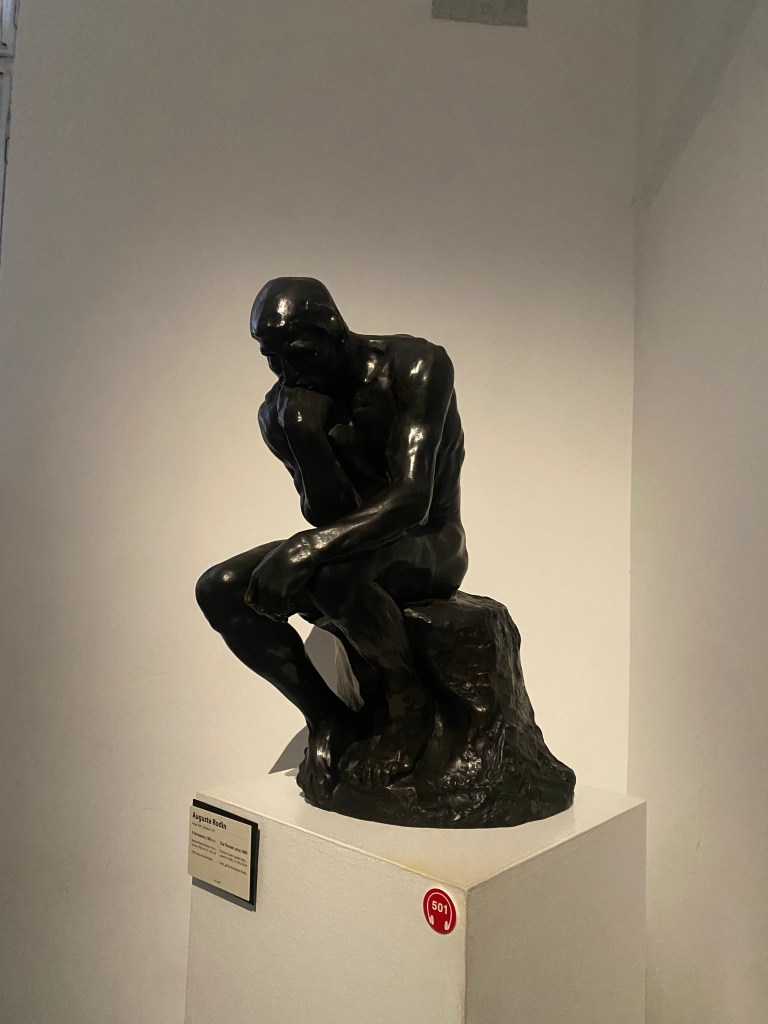
Had I been religious, I imagine the Vatican would have moved me profoundly. The interior was truly stunning—there was a sacred aura, as if the space were being watched over by something divine. Starting from the Pinacoteca (art gallery), we moved through various areas: the gardens, the Room of the Muses, the Room of the Candelabra, the Gallery of Maps, Raphael’s Rooms, and finally, the Sistine Chapel. Along the way, we heard explanations of the works and their historical contexts. The recurring thought that struck me throughout was about the interplay between art and religion.
Even outside the Vatican, it’s clear that the themes of art during the ancient, medieval, Renaissance, and Baroque periods were closely tied to religion and mythology. The intricately crafted statues and paintings of the Virgin Mary and Jesus Christ seemed to serve as tools to visually convey the Bible’s stories to those who couldn’t read, as the guide explained. However, I believe there was more to it.
I speculated that the close relationship between art and religion wasn’t just about storytelling but also about art serving as proof to reinforce religion’s power. The more gold they used, the more lavishly they applied ultramarine pigment derived from expensive lapis lazuli, the more innovative their techniques became, and the more lifelike and intricate their sculptures appeared—the fewer people would have dared to question, Is this all fake?
The precision of art may have solidified the authority of religion, while the power of religion, in turn, likely drove art to greater heights. That, in essence, sums up my impression of the Vatican.
Hearing that Michelangelo became disabled after painting the Sistine Chapel’s ceiling struck me as surreal—it felt like a myth, even though it was true. Since photographs of the ceiling weren’t allowed, I can only rely on my memory. Even as someone without religious faith, the moment I stood beneath the ceiling and looked up, I felt something unforgettable. It was like being overwhelmed by an unstoppable wave or gazing at an approaching typhoon. If it feels this way even to a modern observer, how could people in the Middle Ages, standing beneath this masterpiece, ever doubt the existence of God?
로마에서 뉴욕으로 다시 온지 얼마나 됐다고 로마에서의 마지막 날 글을 쓰려고 책상에 앉았는데 살짝 기억이 흐려진 것을 깨달았다. 진작 블로그 시작할걸. 지금 와서 작년 뉴욕 여행, 도쿄 여행에 관해 누가 쓰라고 하면 못쓴다. 기억이 안나기 때문이다… 아무튼 기억이 완전히 휘발되기 전에 이 포스트를 완성시켜 보려고 한다.
로마에서의 셋째 날 남부투어를 마치고 숙소에 늦게 도착한 나는 그대로 잠들어버렸다. 그리고 새벽에 일어나서 열심히 소국으로 갈 준비를 마친 후 (ㅋㅋㅋ) 새벽 6시 32분쯤? 바티칸 근처 집합 장소로 도착하였다. 근데 집합 시간이 6시 30분까지였어서 집합 장소에 도착했을 때에 그곳엔 아무도 없었다. 서둘러 투어 회사에 연락하고 그쪽에서는 바티칸 입구쪽으로 이동하라고 해서 이동하던 중, 한 한국 남자가 말을 걸었다. 자기도 바티칸 투어를 예약했는데 늦었단다. 휴, 다행이다 생각한 후 그와 함께 바티칸 입구로 이동했다. 다행히 3-4분 걸었을까, 투어 가이드와 일행들을 찾아 같이 함께 바티칸에 도착하였다.
그곳에 도착한 시간이 약 6시 45분 쯤이었는데, 가이드가 8시부터 입장이 가능하다는 식으로 말했다. 그 전에는 기다려야 한다고… 이렇게까지 해야하나 싶었지만, 7시가 넘어가자 우리 뒤로 줄이 엄청나게 길어졌다. 게다가 앞 뒤 팀 다 한국 투어팀이었다. 새삼 우리나라 사람들 놀랍다 라는 생각이 들었다. 투어 가이드는 밖에서 오들오들 떠는 우리를 위해 재미있는 이야기를 계속 해주었다. 바티칸에 대한 배경, 바티칸과 로마를 구분하는 국경이 어디인지 (실제로 바티칸 벽 밑에 흰색 페인트칠이 되어있는데 그 부분이 국경이다.) 미칼란젤로와 라파엘로에 대한 전반적인 설명, 안에서 봐야하는 유명한 조각상들, 고대-중세-르네상스-바로크 각 시대의 특징 등등. 그런 이야기를 듣다 보니 어느 순간 시간은 오전 8시가 넘어 있었고, 우리 팀은 두번째로 입장했다.
내가 종교가 있었다면 엄청난 감명을 받았을 것 같다. 바티칸 내부는 정말 아름다웠다. 신성한 느낌도 들고, 무언가가 이 공간을 돌봐주는 느낌이 들었다. 하지만 피나코테카(회화관)을 시작으로 각종 정원, 여신의 방, 촛대의 방, 지도의 방, 라파엘로의 방, 시스티나의 소성당을 이동하며 각 작품 및 시대상에 대한 설명을 듣고 마지막으로 미켈란젤로의 천장화까지 감상하며 주요하게 든 생각은 예술과 종교의 역학관계에 대한 궁금증이었다. 고대, 중세, 르네상스, 바로크 시대의 예술 작품을 감상하다 보면 굳이 바티칸에 있는 작품이 아니더라도 작품의 주제는 종교, 신화 등과 밀접한 관련이 있는 것을 알 수 있다. 정교하게 표현되어있는 성모 마리아, 예수님의 조각상과 회화를 보며 가이드는 이러한 작품들이 글을 모르는 일반인들이 그림만 보고도 성경의 이야기를 이해하기 하기 위해서 만들어졌다고 말했다. 하지만 나는 그 이유 외에도 예술과 종교가 밀접한 관계가 있었던 건 예술이 어느 정도 종교가 힘을 가질 수 있게 해주는 ‘증거’의 역할을 하지 않았나 생각해 보았다. 금칠을 할수록, 비싼 청금석으로 만들어진 푸른색 물감을 아낌없이 사용할수록, 새로운 기법을 이용해 작품을 완성시킬수록, 실제와 가까운 정교한 조각을 할수록, 이거 사실 다 뻥 아냐? 라고 태클거는 사람이 적어지지 않았으려나… 라고 생각했다.
예술이 가진 정교함이 종교를 완전하게 하고, 종교가 가진 권력이 예술을 더 완전하게 하지 않았을까. 이게 바티칸에 대한 내 심플한 감상이다. 아 그리고 미켈란젤로가 천장화를 그린 이후에 장애인이 되었다고 들었는데, 분명 실화인데도 신화같다는 생각이 들었다. 천장화는 사진을 찍을 수 없어서 기억에만 의존하여 말해보자면, 무교인데도 천장화를 찬찬히 본 순간은 아직도 잊지 못한다. 떠밀려오는 파도에 압도당하는 기분, 피하지 못하는 태풍을 보는 기분, 현대인의 눈으로 봐도 이런데 중세시대 사람들이 천장화를 보면서 신의 존재를 감히 의심이나 할 수 있었겠는가.
Rome with Blue Sky
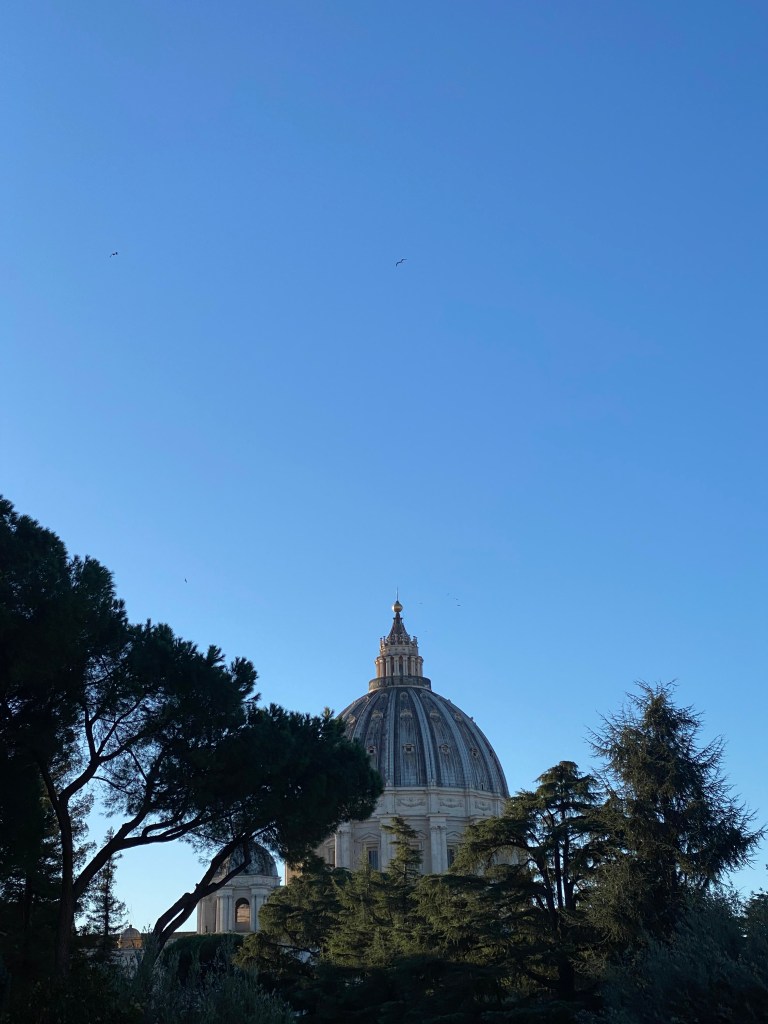
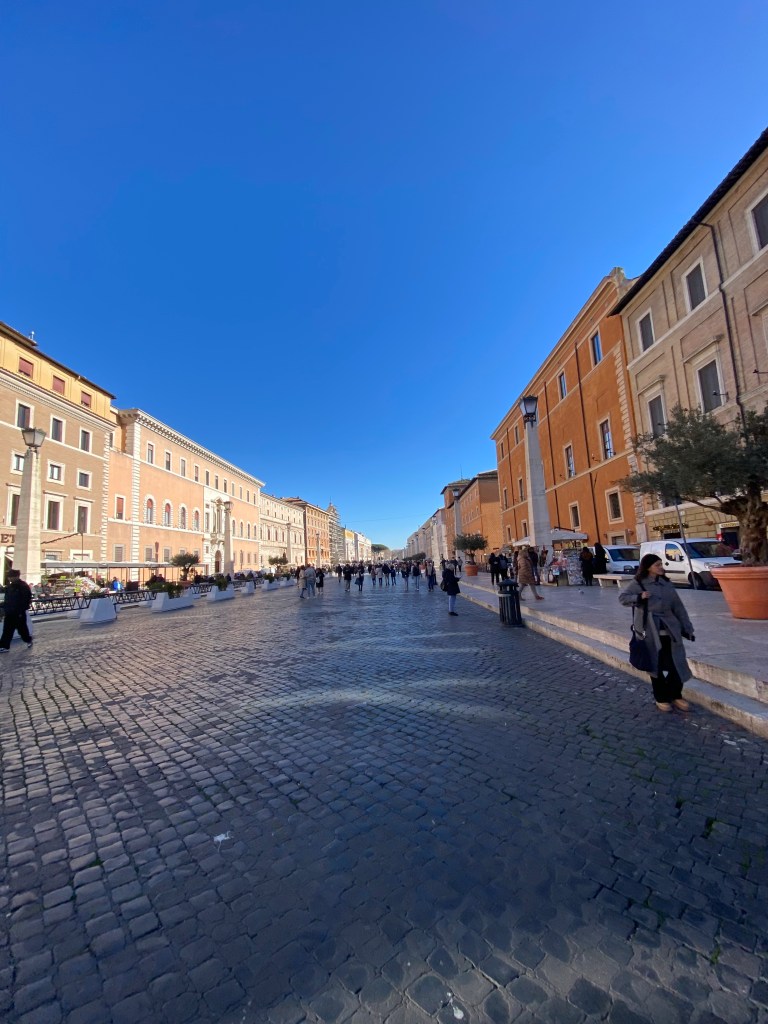
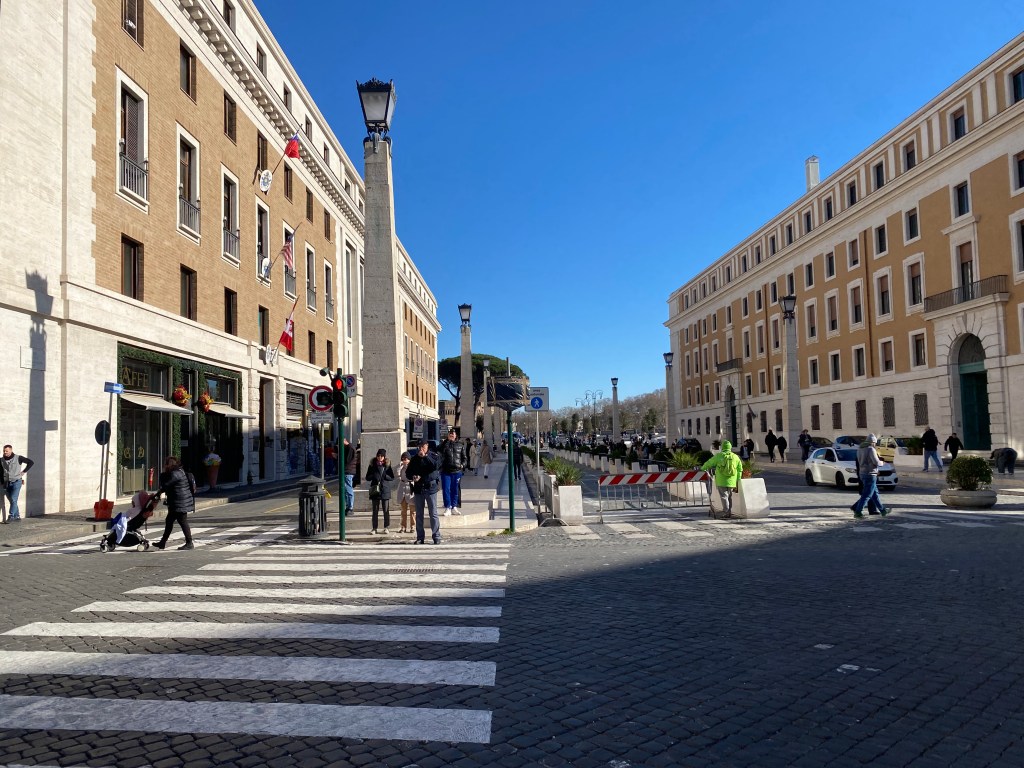
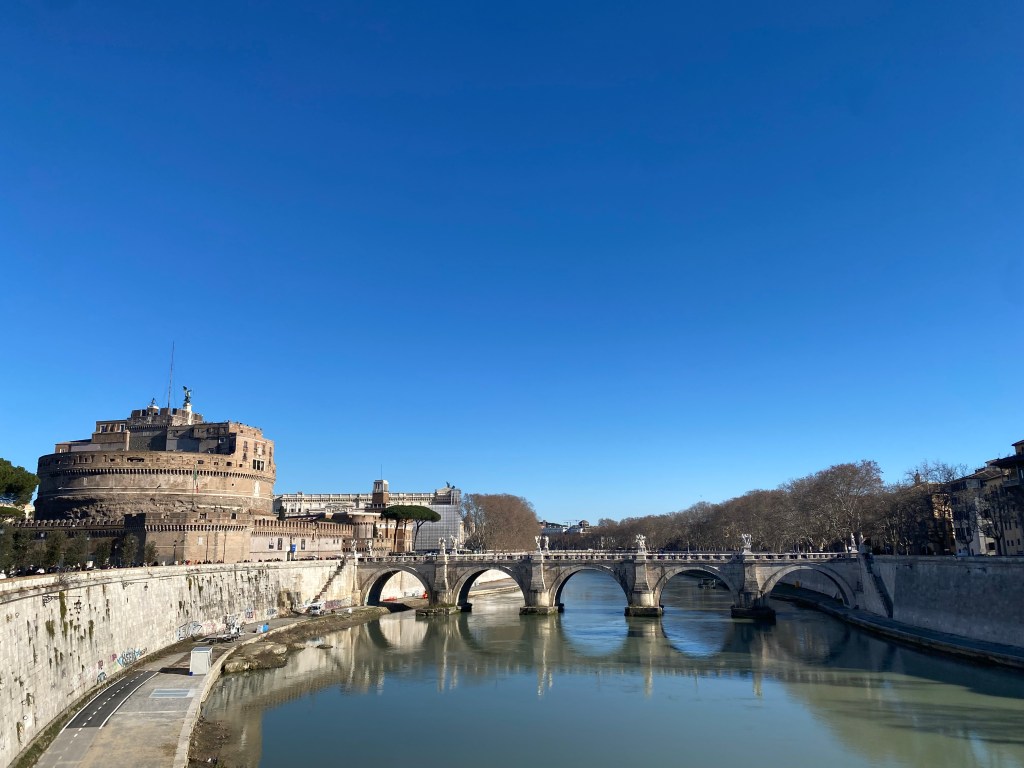
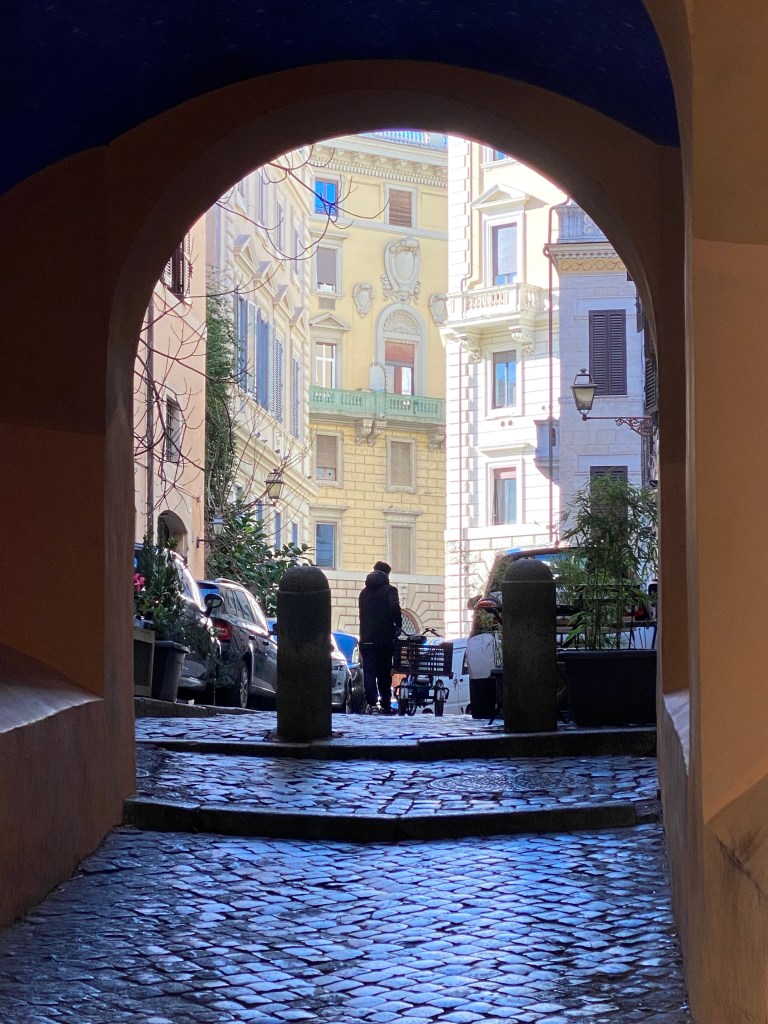
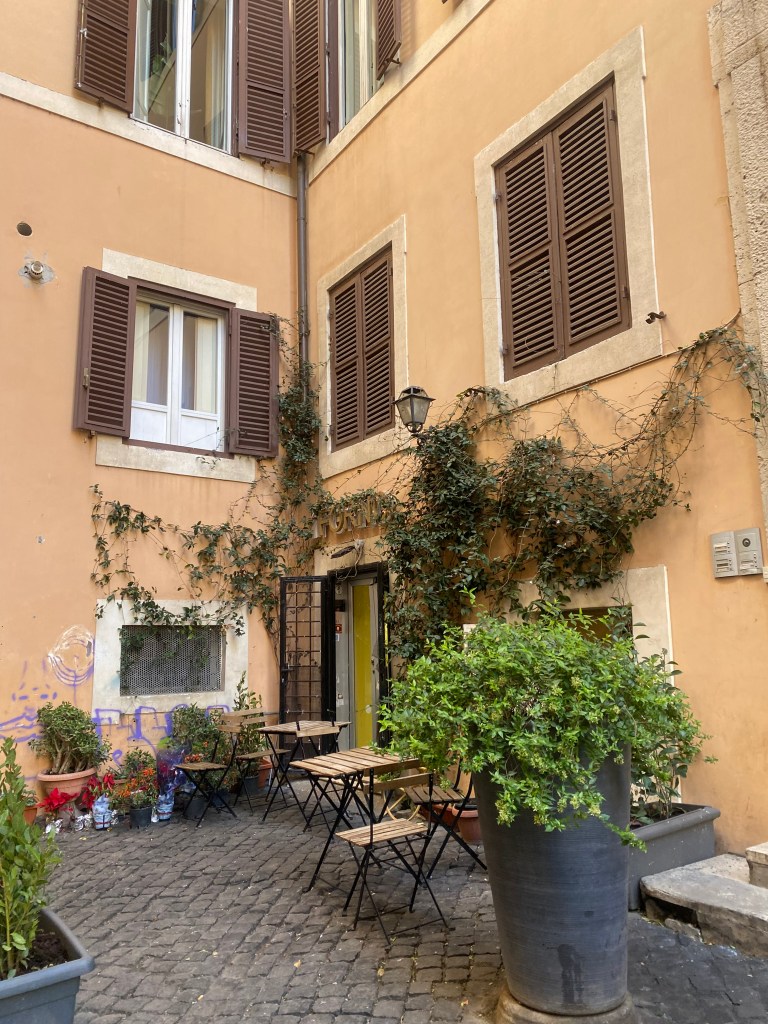
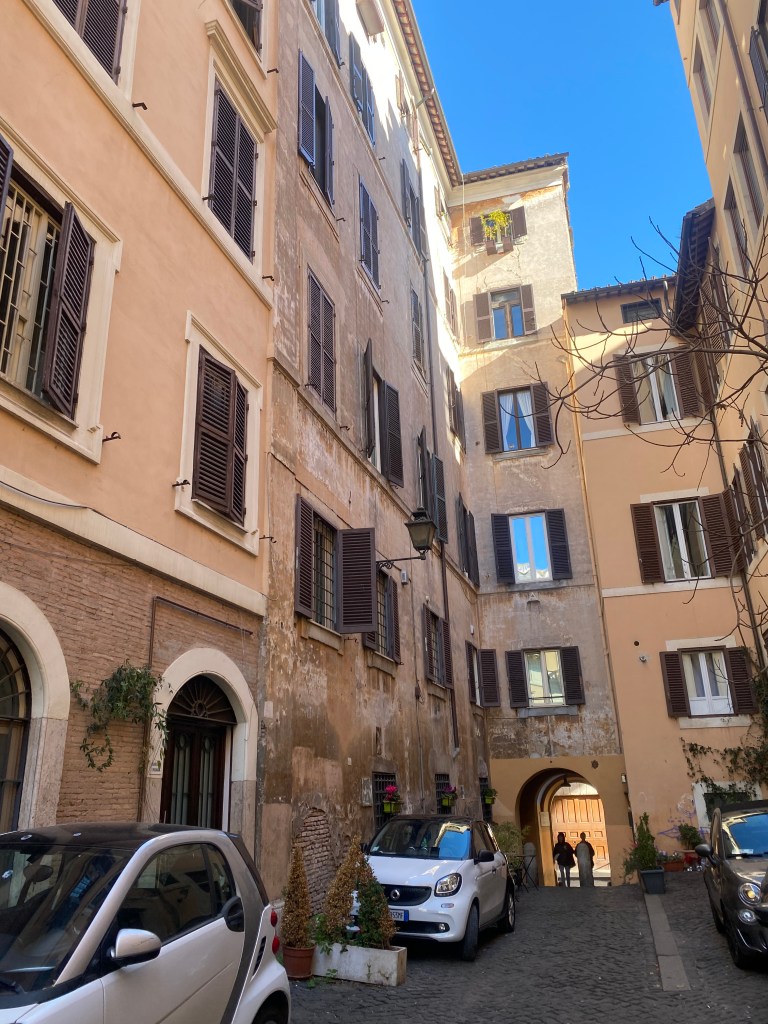
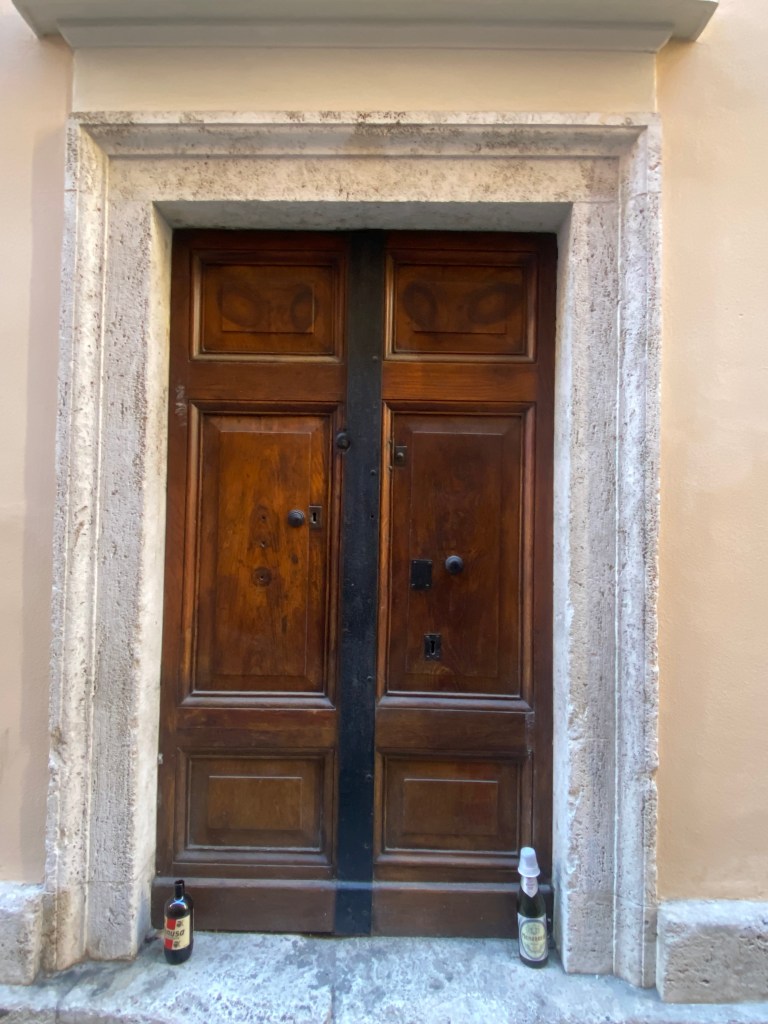
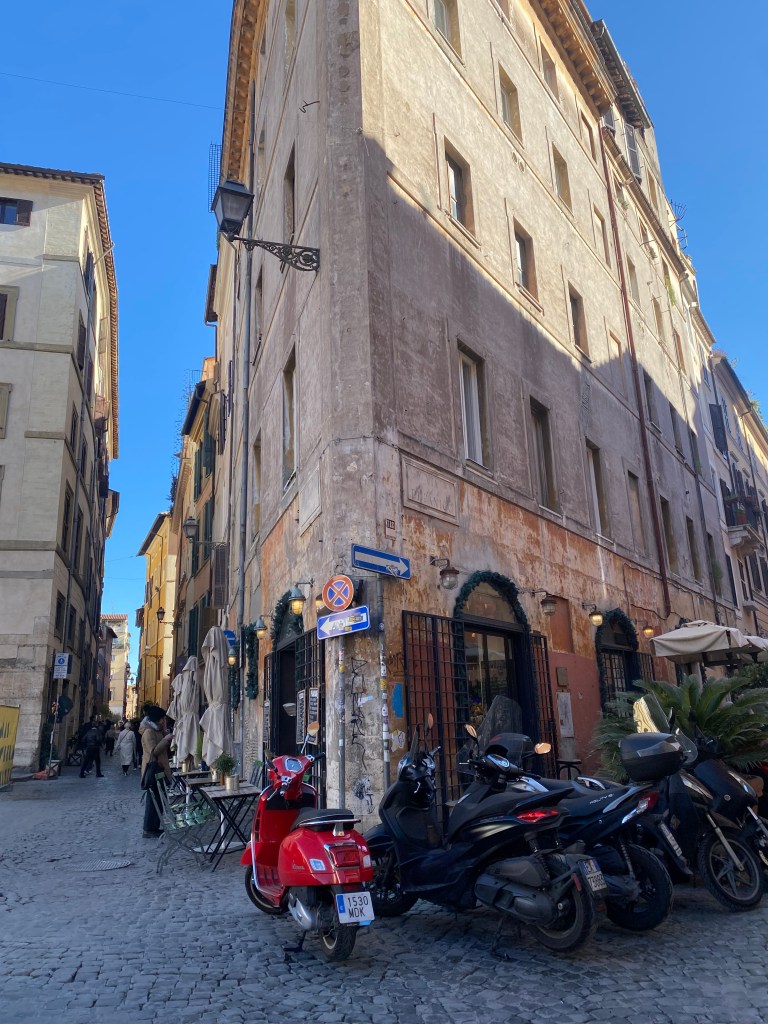
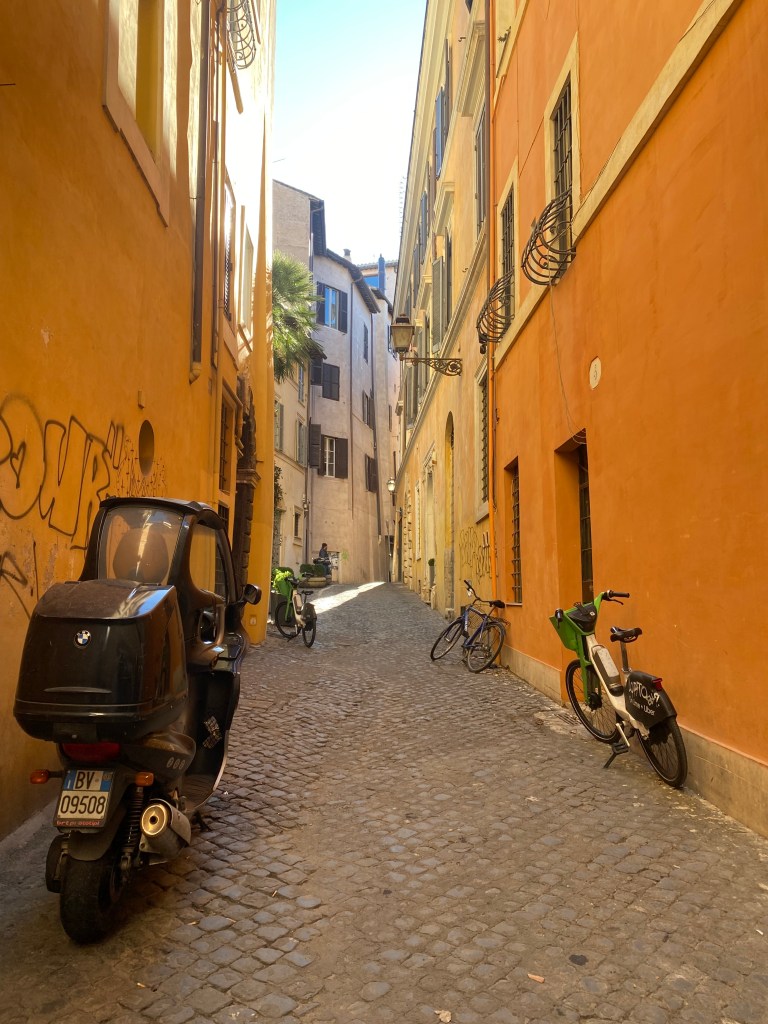
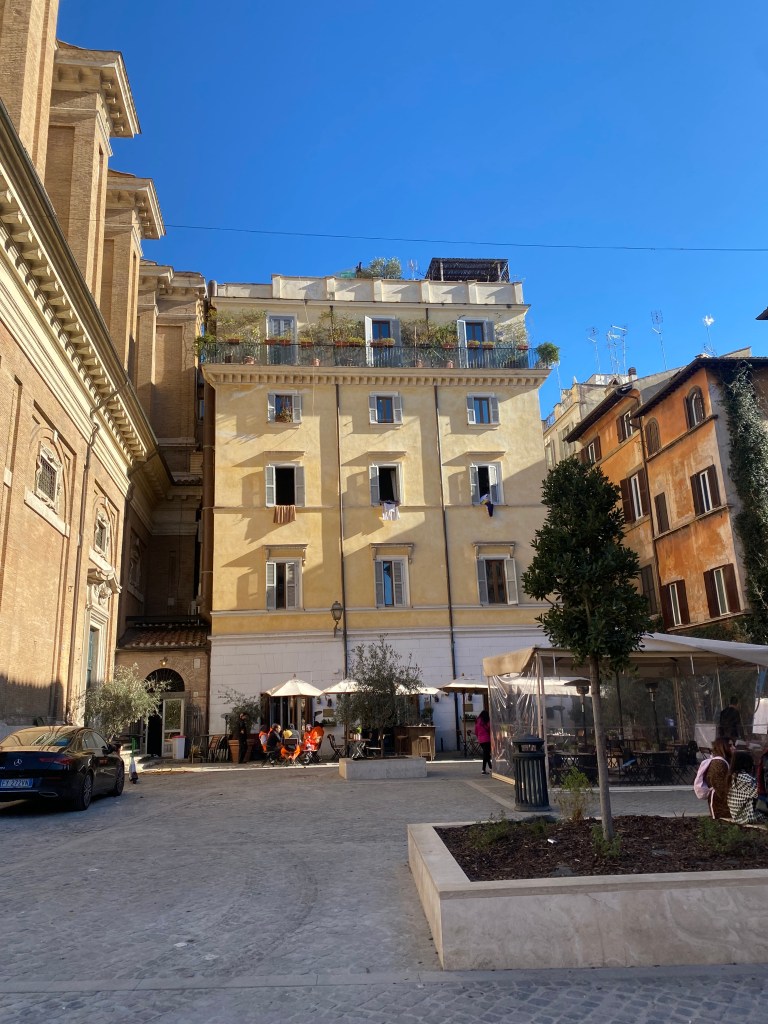
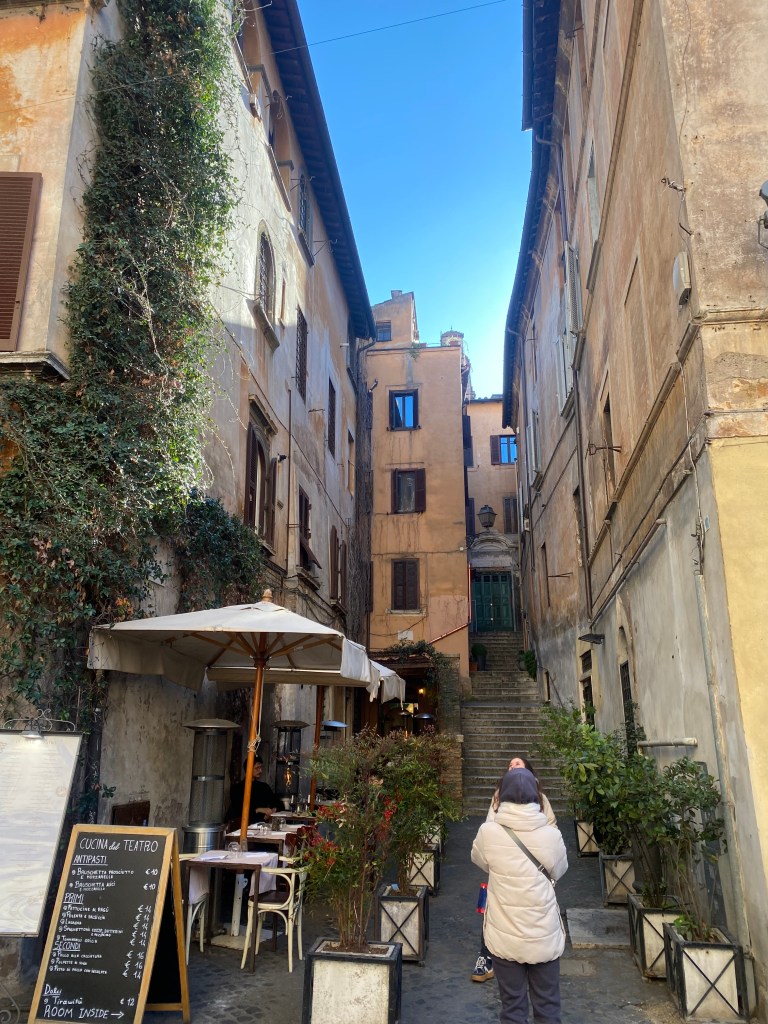
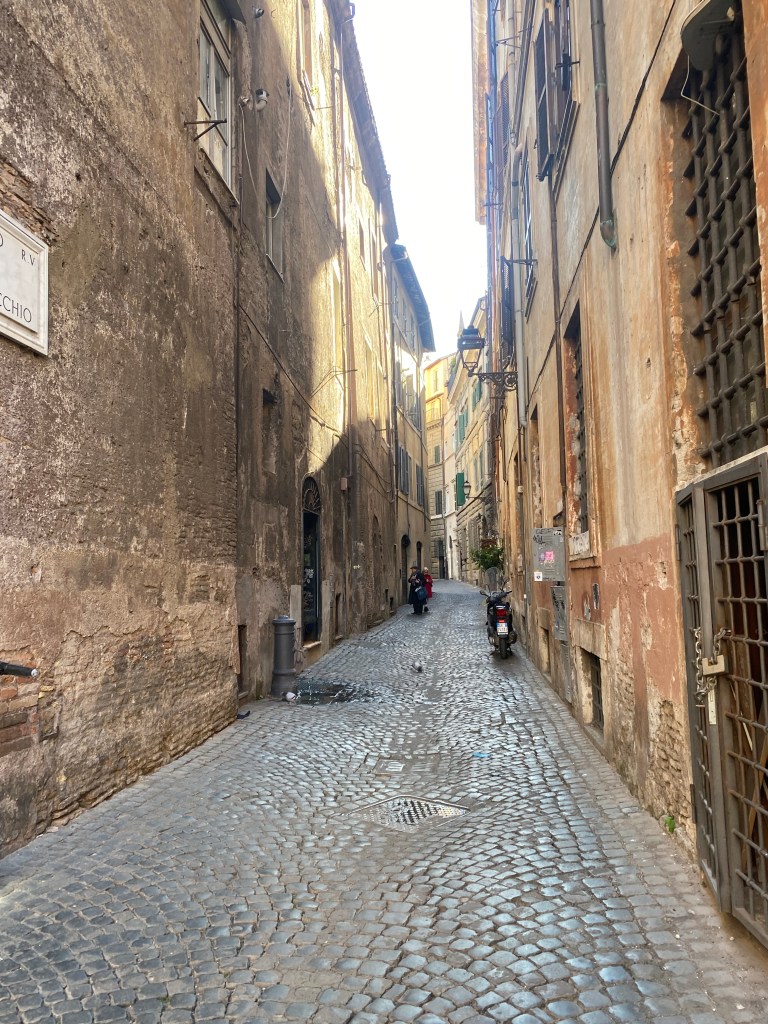
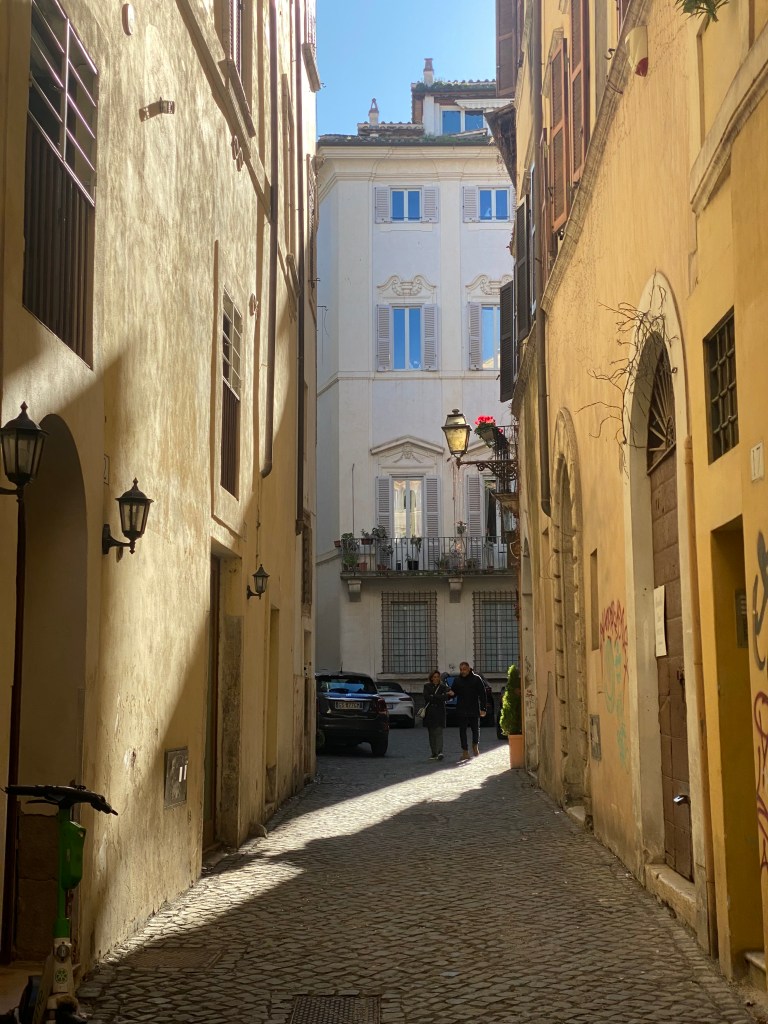
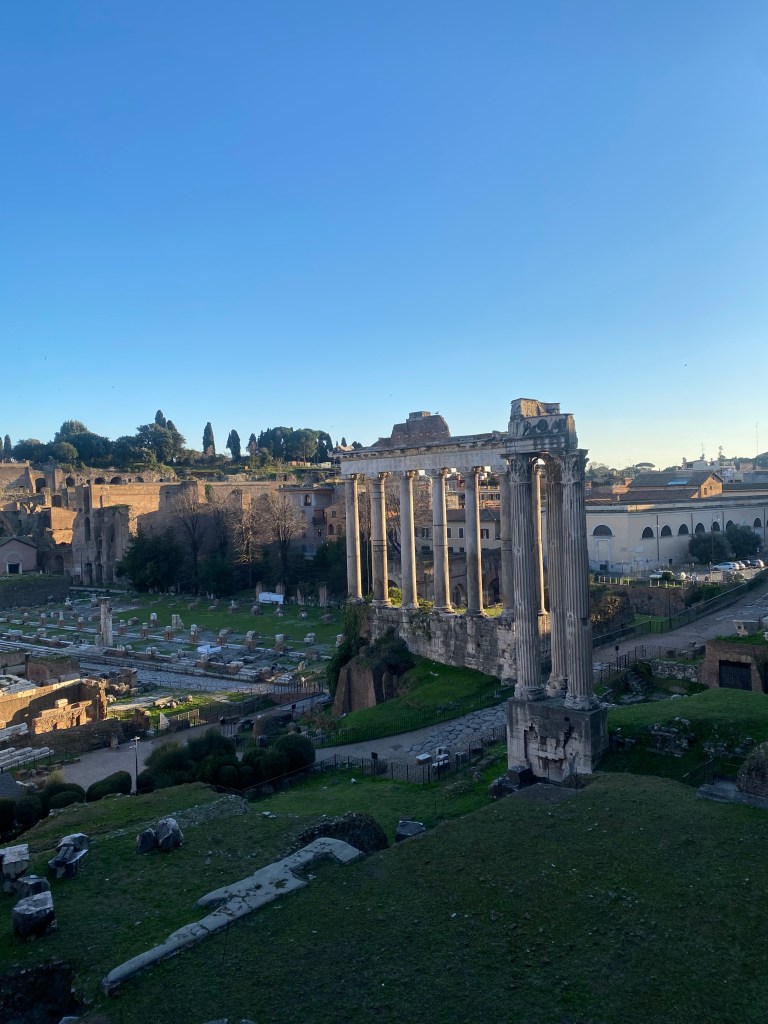
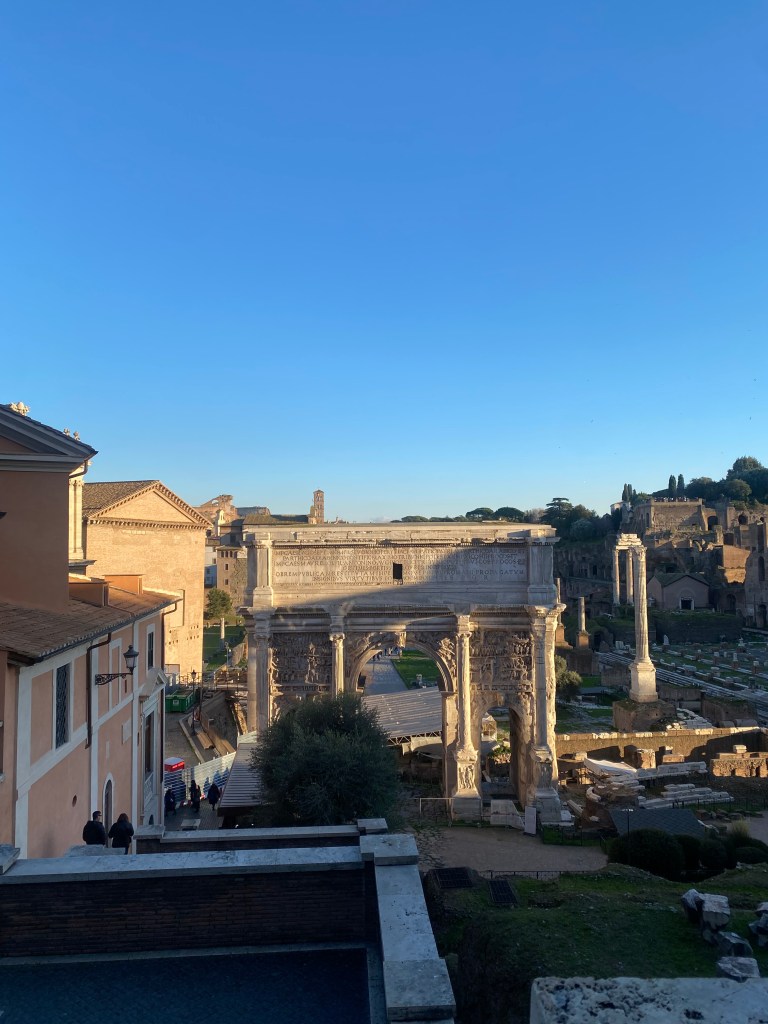
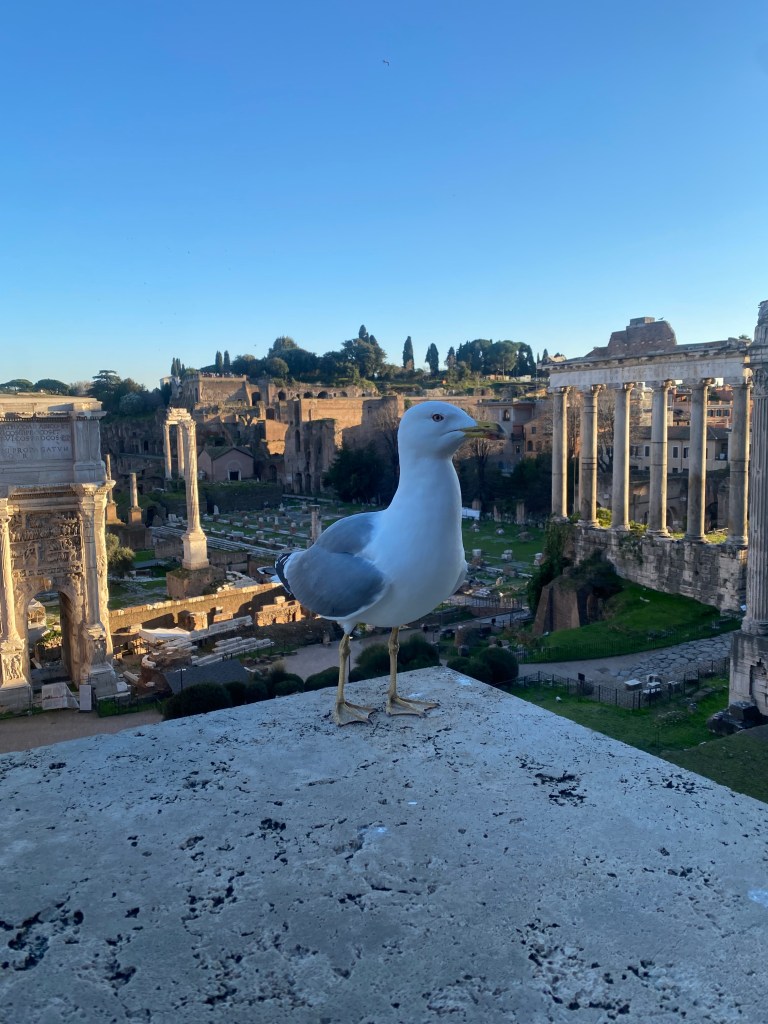
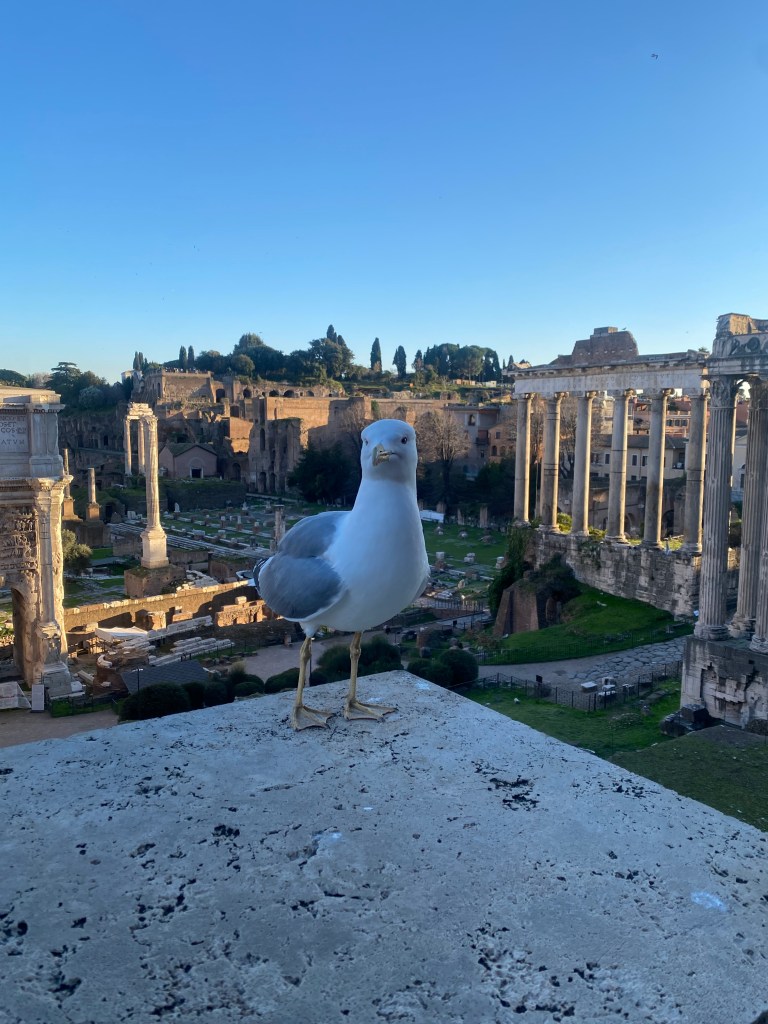
From the moment I was at the Vatican, I had a feeling that today’s weather was going to be unusual. After leaving the Vatican entirely and reentering Rome, I noticed a freshness in the city that I hadn’t felt on the first, second, or even third days. While I still couldn’t figure out what the locals did outside of the tourism industry, the clear weather helped chase away my complex thoughts, allowing me to focus solely on the scenery. The plan for the day was simple: take a tour of the Vatican, walk to Piazza Navona, visit the Pantheon, and have dinner with the young woman I met during the southern Italy tour the day before. With that in mind, I wandered aimlessly toward Piazza Navona, exploring Rome’s many corners along the way.
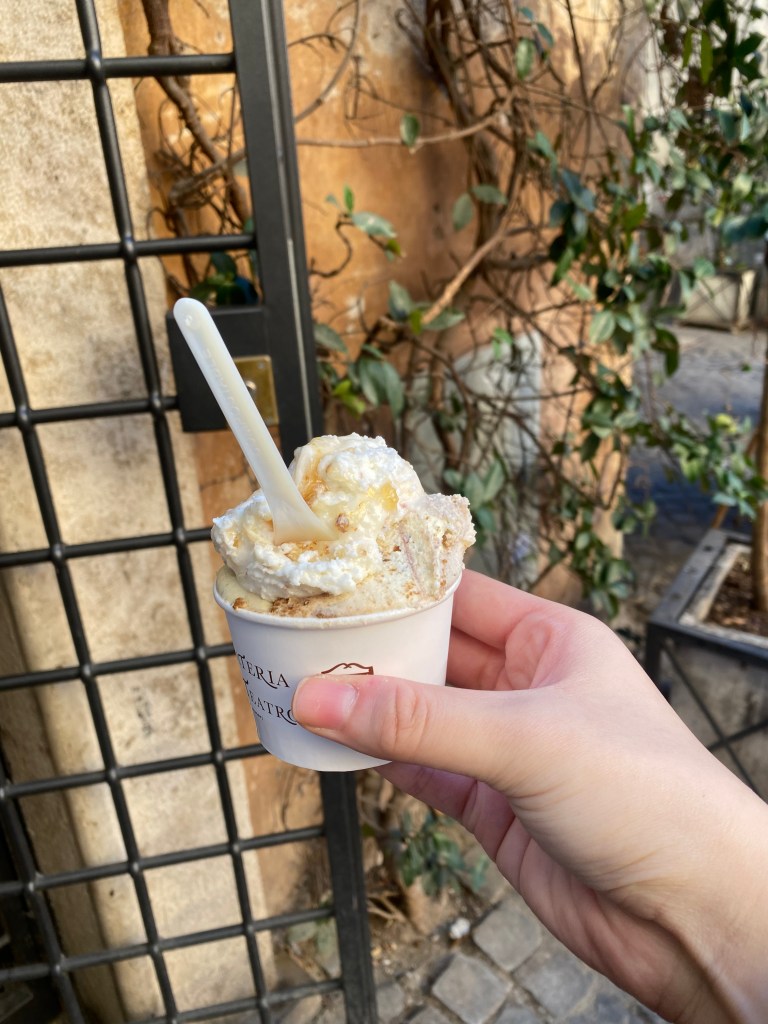
The exotic scenery, beautiful alleyways, leisurely people, pasta, pizza, pasta, pizza, and gelato shops all blended together as I strolled. Somewhere along the way, I realized that I hadn’t had a single gelato since arriving in Italy. Spotting a clean-looking shop with a few customers already inside, I decided to go in. I ordered pistachio, honey, and what seemed to be a cheese-flavored gelato. Now, I hesitate to say this, but… the gelato I had at the Little Italy festival in Manhattan was chewier and tasted better. Still, it was far superior to ordinary ice cream, so I let it go. Perhaps this lingering sense of dissatisfaction is what will bring me back to Rome someday. (For the gelato, really?)
By the way, the eleventh photo I took that day is, in my opinion, the best picture I’ve ever taken in my life. The composition, the people, the light, the shadows—everything looks perfect, at least to my eyes.
바티칸에 있을 때부터 오늘 날씨가 심상치 않다는 생각이 들었는데 바티칸 밖으로 완전히 나오고 로마로 다시 진입하니 첫날, 둘째날, 셋째날에는 느낄 수 없었던 로마의 싱그러움이 드러났다. 여전히 이곳 로컬들은 관광업 이외에 어떤 업종에 종사하는지 잘 모르겠다 라는 생각이 들었지만 맑은 날씨는 복잡한 생각을 달아나게 하고 날 풍경에만 집중할 수 있도록 해주었다. 이 날의 계획은 바티칸 투어를 했다가 나보나 광장까지 걸어간 이후 판테온에 들르고, 어제 남부투어에서 만난 여학생과 저녁을 먹은 후 여행을 마무리 짓는 것이었다. 그래서 나보나 광장까지 정처없이 걸으며 로마의 구석구석을 둘러보았다.
이국적인 풍경, 아름다운 골목길, 여유로운 사람들, 파스타, 피자, 파스타, 피자, 젤라또, 가게를 여러 군데 지나쳐 가다가 이탈리아에 도착한 이후 젤라또를 한번도 먹지 않았다는 걸 깨달았다. 그래서 깔끔해 보이는, 그리고 손님이 이미 몇 팀 있는 젤라또 가게에 들어가서 피스타치오, 허니, 그리고 치즈 ? 맛이 추가된 젤라또를 구매하였다. 근데 이런 말 해도 될지 모르겠지만 맨하탄 리틀 이탈리 축제할 때 가서 먹었던 젤라또가 더 쫀득하고 맛있었다… 그래도 일반 아이스크림보다는 맛있어서 그러려니 했다. 그래, 이런 아쉬움을 남겨둬야 다시 로마에 올 수 있지 않겠어? (젤라또 먹으러..?)
참고로 열한번째 사진은 내가 태어난 이후 찍은 사진중에서 가장 잘 찍었다고 생각하고 있는 사진이다. 구도, 사람, 빛, 그림자, 모든 것이 “내 눈에는” 완벽해 보인다.
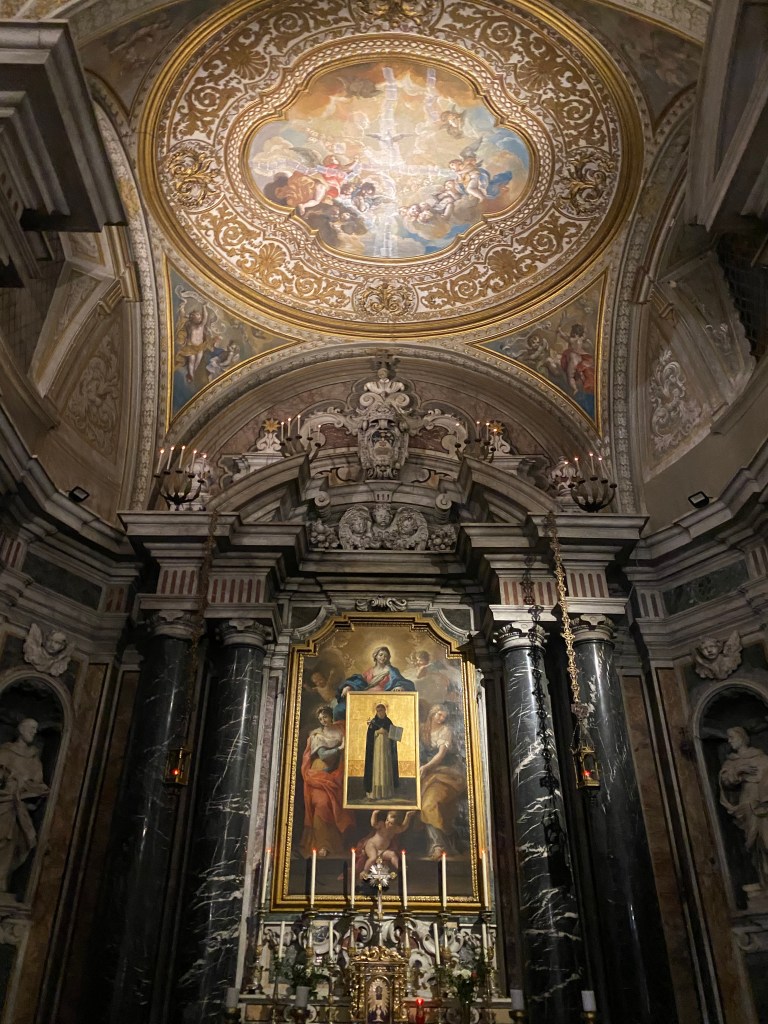
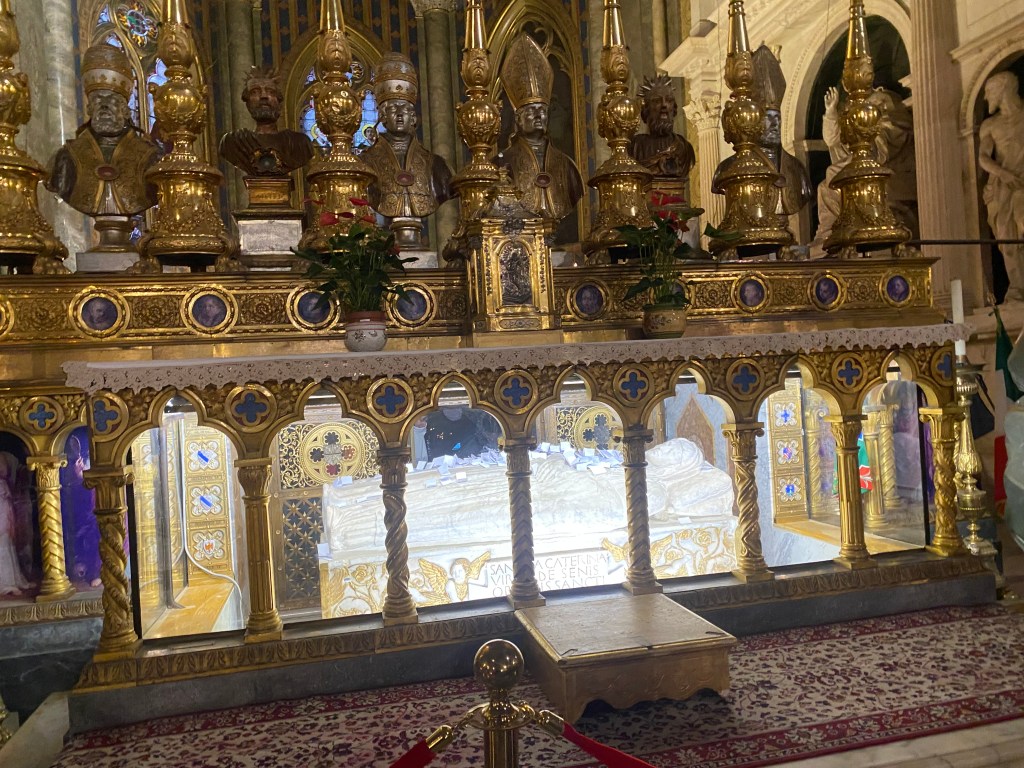
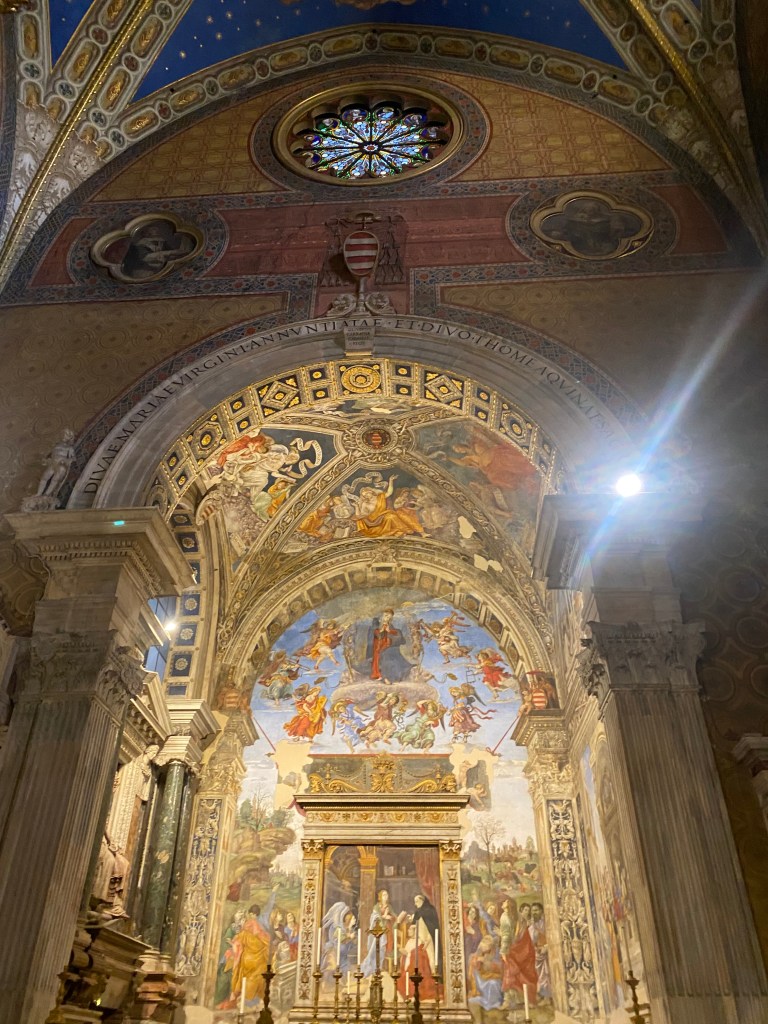

Surrounded by things that are just too nice
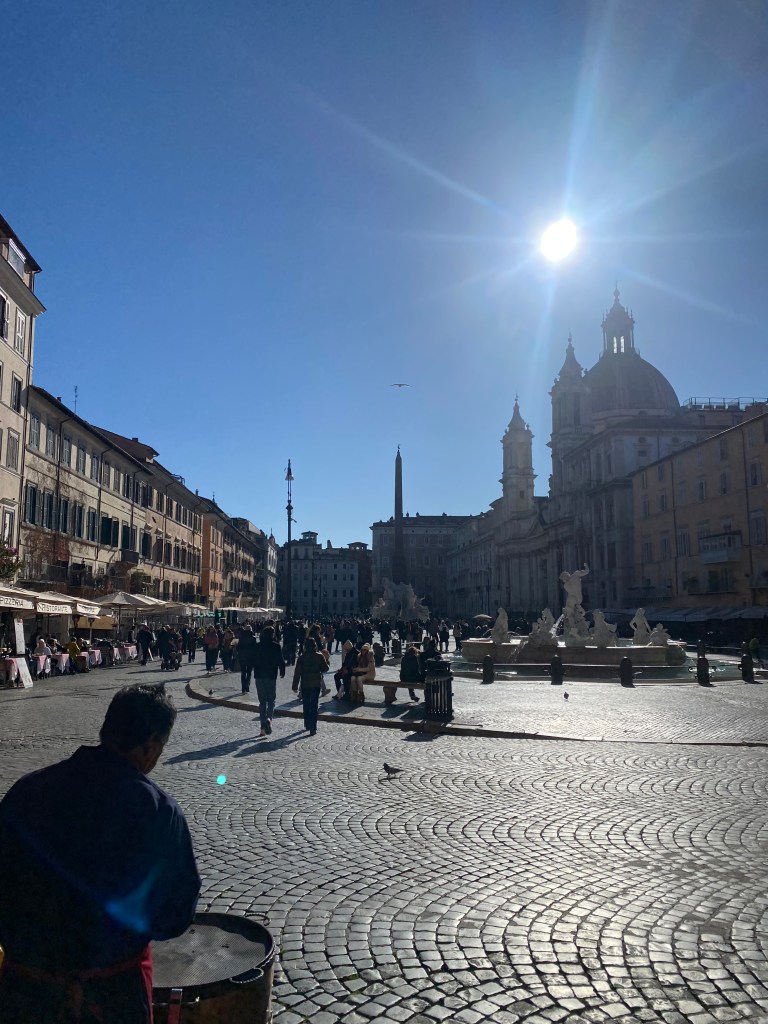
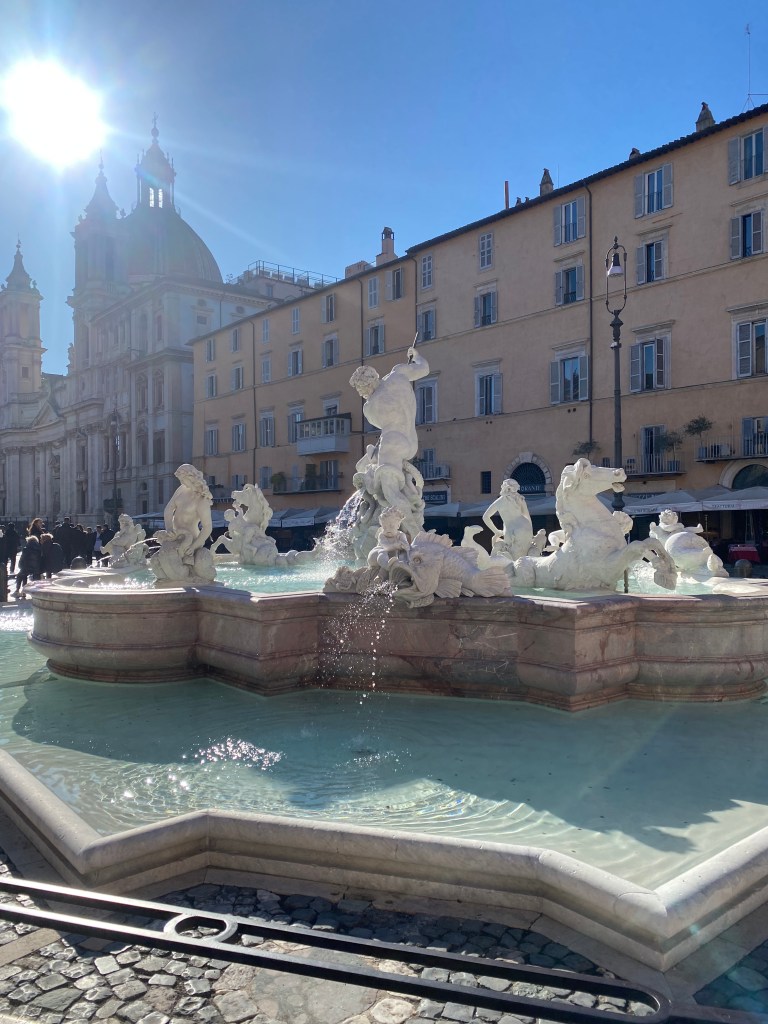
After enjoying the beautiful scenery of Rome, I headed to Piazza Navona. I had about 3-4 hours before meeting JY, the young woman I met during the southern Italy tour, so I planned to visit the remaining tourist spots I hadn’t seen yet. Since it was the last day of my trip, I had to make the most of my time.
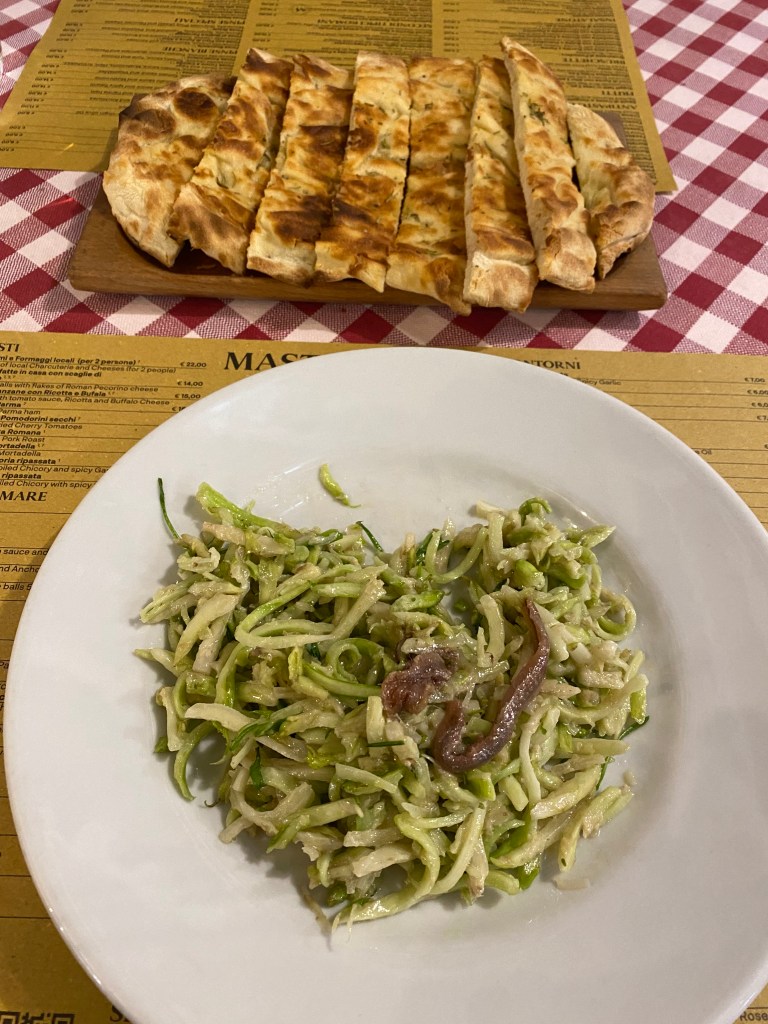
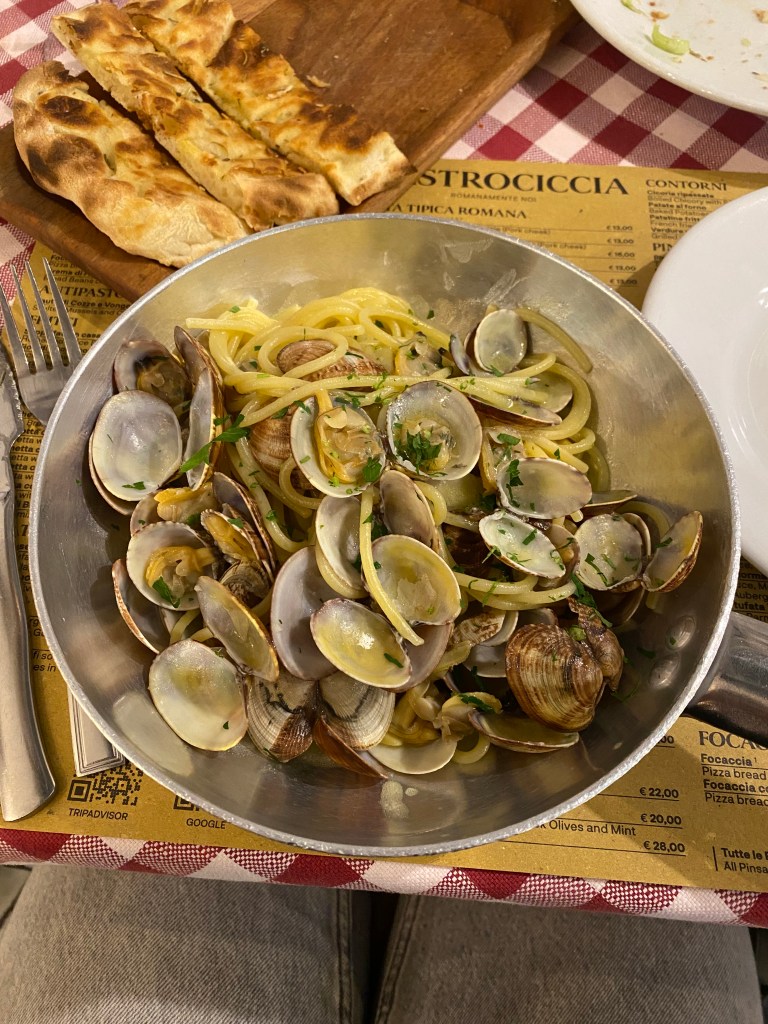
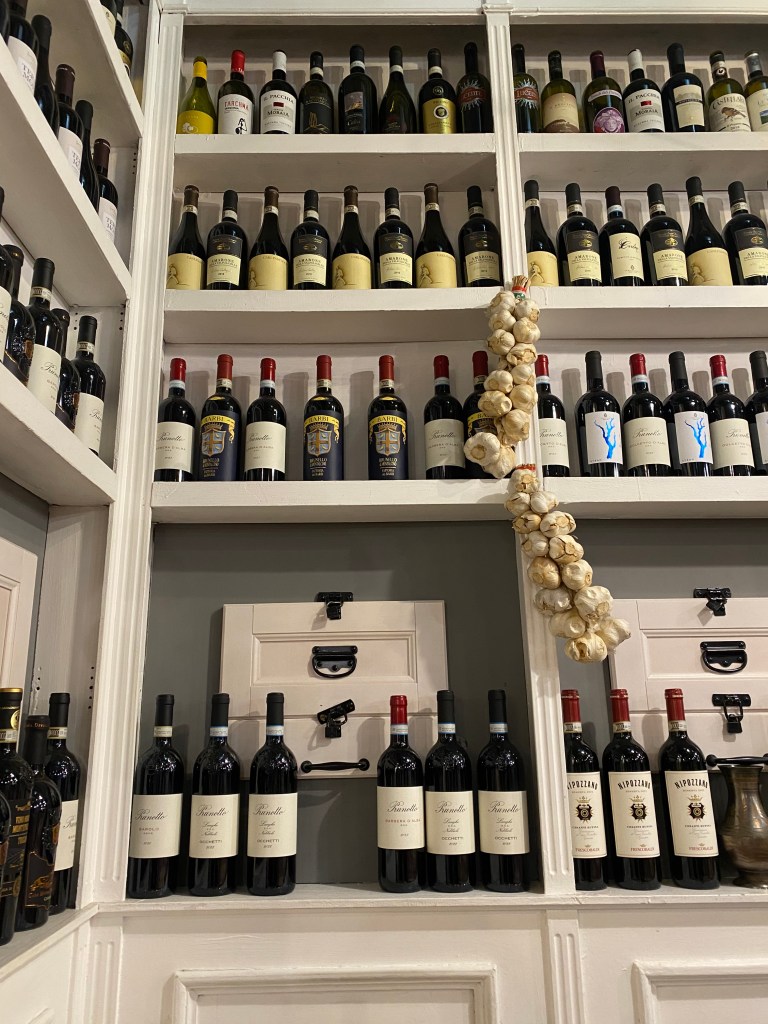
Once I arrived at Piazza Navona, I realized I was hungry. The only thing I had eaten that day was a sandwich inside the Vatican. Checking the list of recommended restaurants provided by the southern Italy tour guide, I found a place near Piazza Navona. The restaurant was called Mastrociccia, specializing in Italian food. As soon as I arrived, I didn’t hesitate much and ordered Vongole pasta and Prosecco. I chose Vongole pasta because it was a type of pasta I hadn’t tried yet in Italy. I figured I’d regret it if I only ate carbonara for the entire trip.
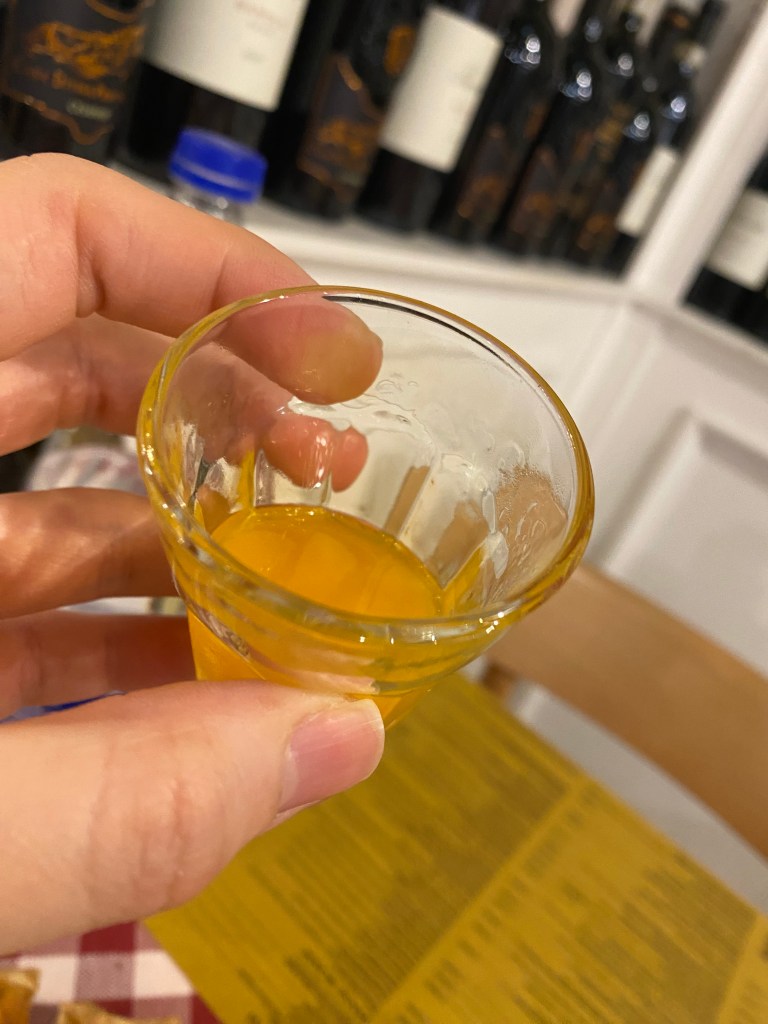
When I placed my order, I noticed how friendly the waitstaff were. They had a certain vibe—perhaps it was a relaxed air, or maybe they’d already had a bit of limoncello or meloncello themselves. Either way, their energy made me feel at ease. One of the male waiters even recommended a type of bread that would pair well with the salad I ordered as a starter, and I decided to trust him. I wanted to try as many new foods as possible before going back home, so I didn’t hesitate. It turned out to be a great choice. The bread had the perfect crunch, a hint of garlic flavor, and balanced out the slightly bitter taste of the salad. As for the Vongole pasta, I won’t even try to describe it—it was simply the best.
After finishing my meal and preparing to leave, the waiter approached me and insisted on bringing limoncello. I initially declined, saying I already bought some limoncello in Positano, but he brushed it off, saying, “It’s for digestion!” and brought me a glass anyway. At the time, I didn’t realize it was complimentary, so I thought, How much could one glass of limoncello cost? Let’s just try it. The 28% alcohol content hit me quickly, leaving me slightly dazed but with a bit of newfound confidence—a helpful side effect of alcohol. Fueled by that confidence, I started chatting with a female waiter, who then asked if I had tried meloncello. When I said I hadn’t even heard of it, she said, “Oh, you have to try it!” and hurried off to bring me a glass. Again, I assumed I’d be paying for it, thinking, Fine, take all my money, but to my surprise, neither the limoncello nor the meloncello appeared on the bill. I suppose it’s similar to the complimentary small glass of soju you sometimes get at Korean samgyetang restaurants.
Meloncello had a completely different charm from limoncello. It was sweet yet surprisingly heavy. The taste caught me off guard, and I instinctively looked over at the waitress, who smiled and asked how I liked it. I jokingly wailed, This is too heavy!, but I finished it anyway—after all, it was free.
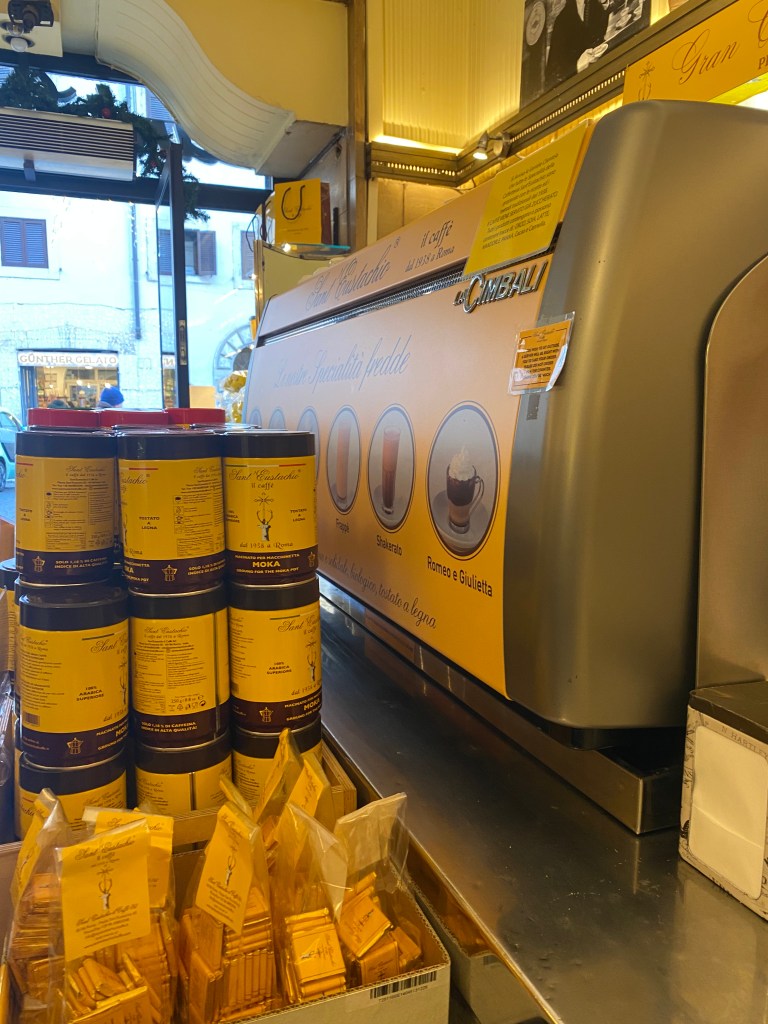
Leaving what I think might be the friendliest restaurant in Rome, I felt like I needed coffee to sober up. I checked the guide’s list of restaurants and cafes again and found a cafe he had highlighted, also near Piazza Navona. After a short three-minute walk, I spotted a yellow cafe with a long line outside. It turned out to be one of the top three coffee shops in Rome. Without realizing its fame, I ordered a double espresso and impulsively bought some roasted coffee beans I saw on display. Later, when I brewed the beans at home, I found the flavor to be unusual—a slightly sharp, tangy aroma—but not bad.
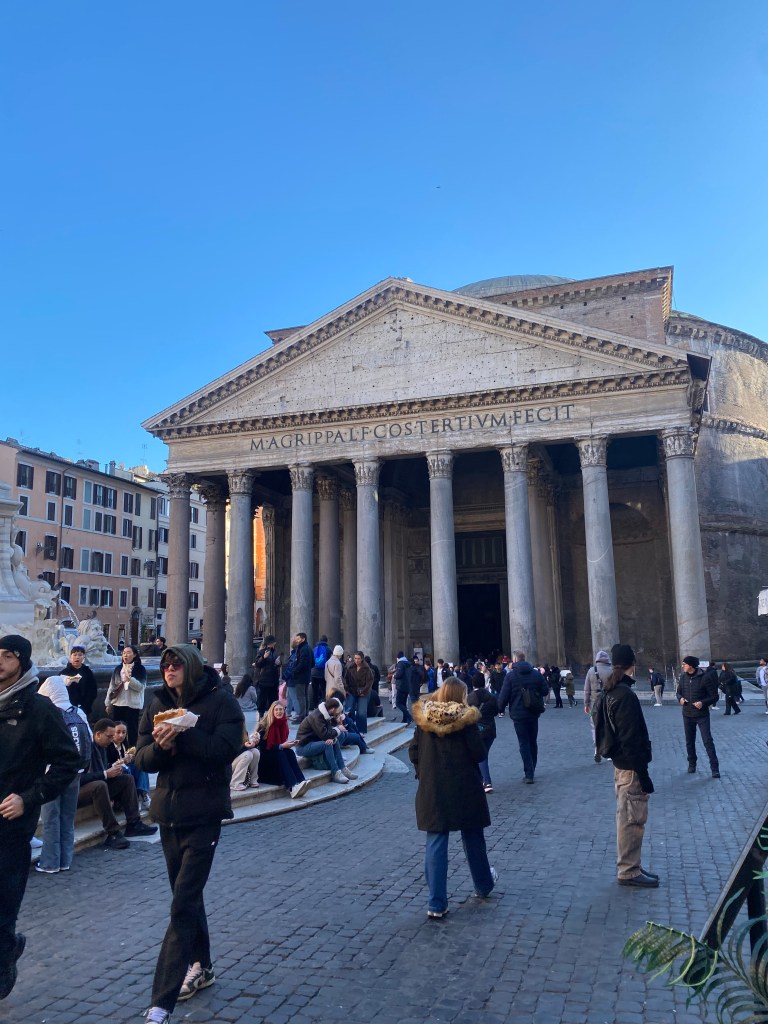
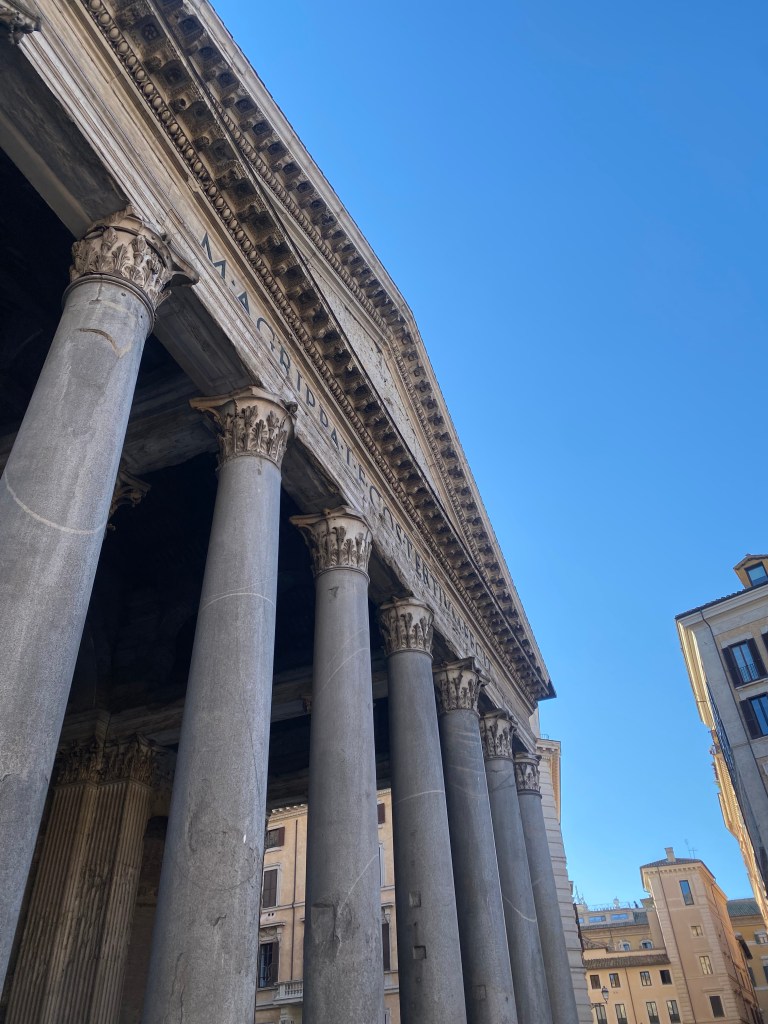
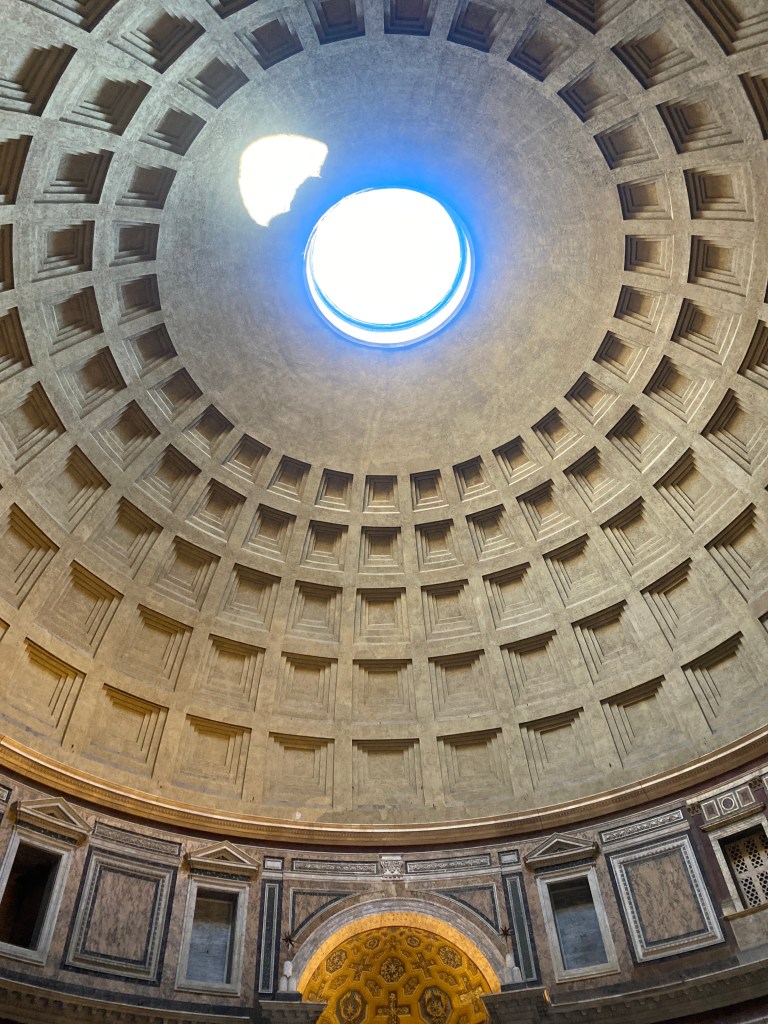
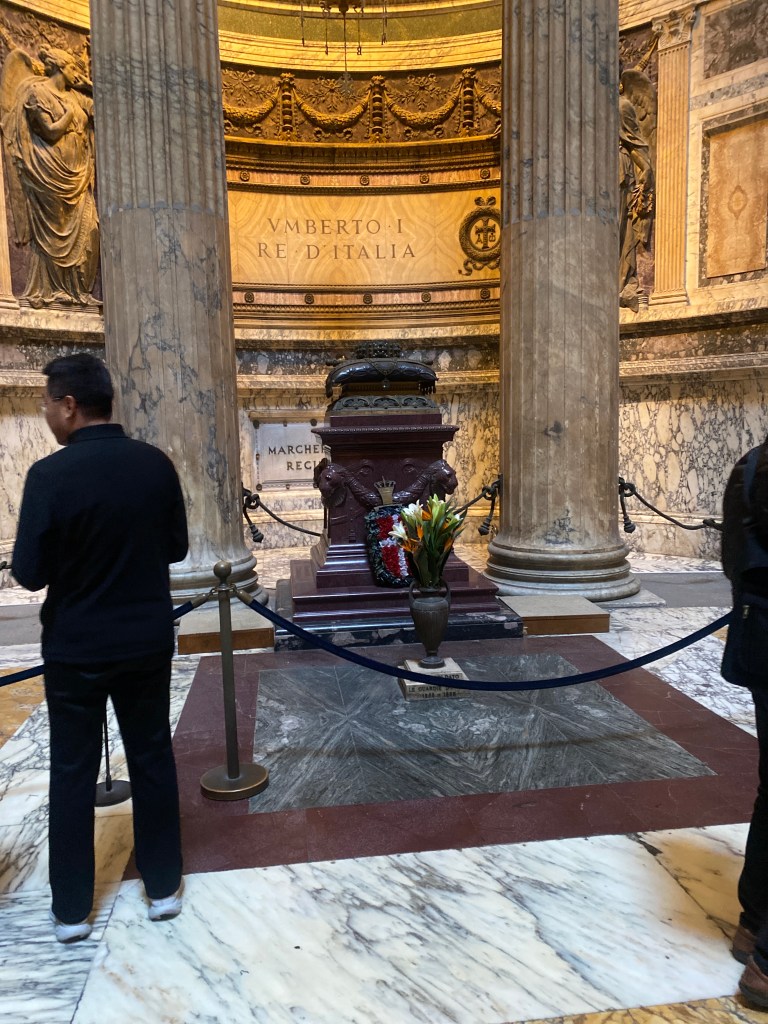
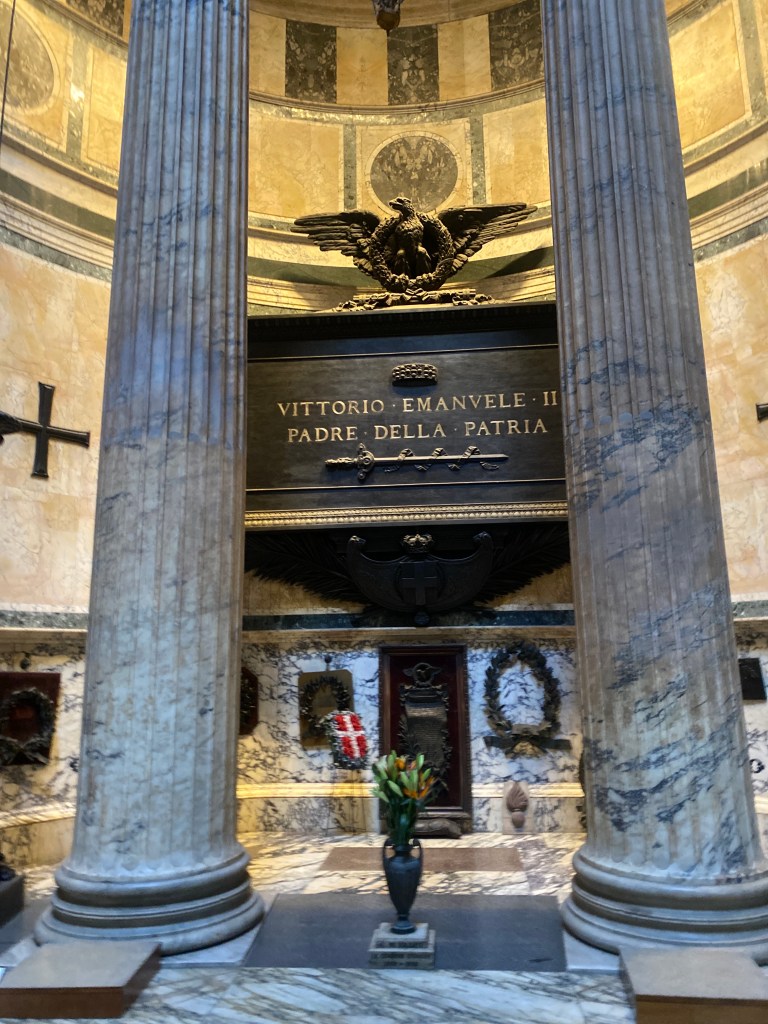
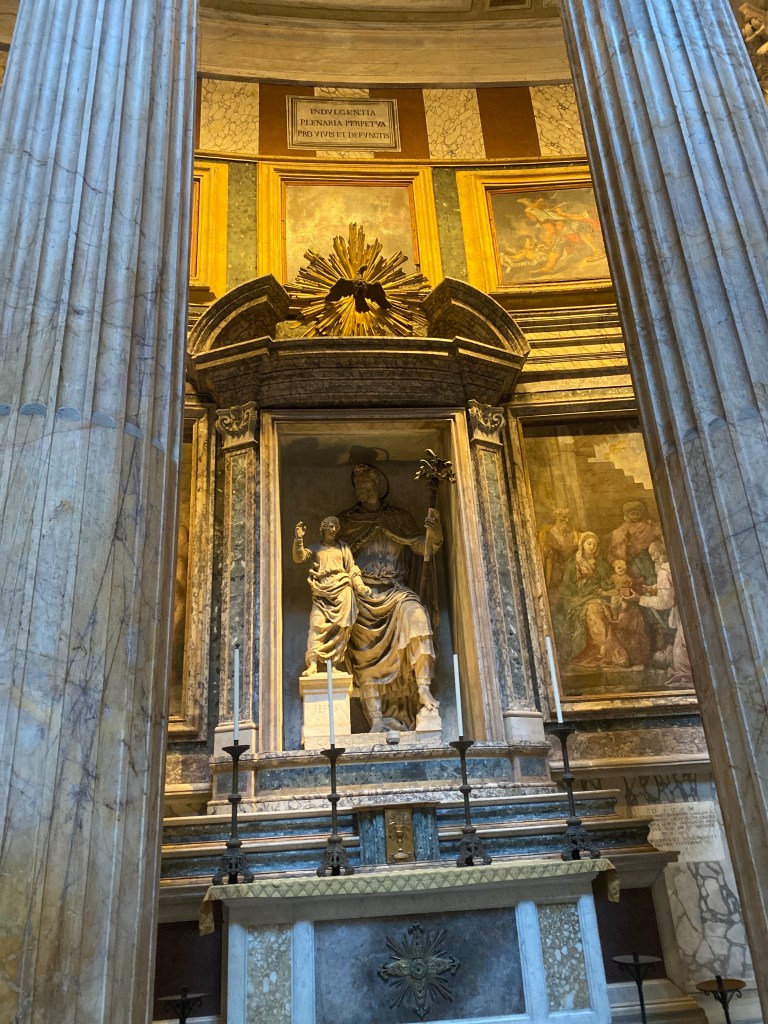
After the coffee, I made my way toward the Pantheon. I won’t go into detail about the general information surrounding the Pantheon, but I will share my thoughts about it. I didn’t expect to see the Pantheon as I was walking. Turning a corner in a narrow alley, it suddenly appeared on my right, and I was stunned. The Pantheon’s grandeur is impossible to take in all at once. Standing in its presence feels like experiencing a distortion in space and time. It doesn’t even feel like something humans could have built.
After the Pantheon, I headed to Piazza del Campidoglio. I didn’t realize how close it was to the Colosseum area. Standing at the top of the square, I recognized the familiar view. Although I didn’t spend much time at Piazza del Campidoglio, it was meaningful to pass by the Colosseum and Roman Forum once again on my way. I needed to hurry to meet JY at the Borghese Gallery. Since the only way to get there was by bus, and I didn’t feel like taking the bus, I decided to walk the 40-minute distance instead. Seeing the Colosseum and Roman Forum again on the last day of my trip felt poignant. Starting and ending my time in Rome at the same landmarks gave the trip a sense of symmetry, which I really appreciate.
로마의 아름다운 전경을 감상하고 난 후 나보나 광장으로 향했다. 남부투어에서 만난 여학생 (지금부터 JY이라 하겠다)을 만나기 전 약 3-4시간정도 시간이 있었는데, 그 전에 아직 못 본 관광지를 다 둘러보고자 하는 심산이었다. 오늘이 여행의 마지막 날이었기 때문에 서둘러야 했다.
나보나 광장에 도착한 후 주위를 둘러보다 배가 고프단 걸 깨달았다. 이 날 먹은건 바티칸 내부에서 먹은 샌드위치 밖에 없었다. 그래서 남부투어 가이드가 제공한 맛집 리스트를 체크하다가 나보나 광장 근처의 식당을 발견할 수 있었다. 이 식당 이름은 Mastrociccia로 이탈리아 음식을 판매하는 곳이다. 난 가게에 도착한 직후, 큰 고민을 하지 않고 봉골레 파스타와 프로세코 와인을 시켰다. 봉골레 파스타를 시킨 이유는 아직 이탈리아에서 먹어보지 않은 파스타였기 때문이다. 계속 까르보나라만 먹으면 후회할 것 같아서 시켰다 ㅋㅋ
암튼 주문을 하는데 이 식당 웨이터들이 엄청 친절했다. 게다가 뭔가 다들 바이브가 있었는데, 여유인 것 같기도 하고 자기들끼리 레몬첼로든 멜론첼로든 미리 먹은 팁시 바이브인것 같기도 하고, 같이 덩달아 여유로워 질 수 있었다. 또 주문할 때 한 남자 웨이터가 내가 스타터로 시킨 샐러드에 곁들여서 먹으면 좋은 빵 종류를 추천해줬는데 고민하지 않고 그냥 시켰다. 새로운 음식은 다 맛보고 귀국하고 싶었으므로. 결과적으로 좋은 선택이었다. 적당한 크런치, 갈릭의 향, 그리고 내가 시킨 샐러드의 약간 떫은 맛을 중화시켜주는 메뉴였다. 봉골레 맛은 굳지 말하지 않겠다. 최고였다.
식사를 마치고 서둘러 가려고 하는데, 남자 웨이터가 오더니 레몬첼로를 가져다 주겠다는거다. 나는 이미 포지타노에서 레몬첼로를 샀기 때문에 괜찮다고 헀는데 그는 그냥 ‘소화시켜야지 ~ 소화를 위한거야~’ 이런식으로 얼렁뚱땅 말하고 레몬첼로를 대령했다. 그때 나는 이들이 무료로 레몬첼로를 줄지 몰랐기 때문에 약간 ‘그래 레몬첼로 한잔 얼마나 하겠어 걍 마셔보자’ 라고 생각하면서 받아들였던 기억이 난다. 28도 도수의 레몬첼로 한잔을 하니 살짝 멍해졌다. 조금 자신감도 생기고. 술의 순기능이다. 그래서 생긴 자신감으로 여자 웨이터와 같이 얘기를 하다가, 그녀가 멜론첼로를 try해봤냐는거다. 그래서 ‘음 난 멜론첼로가 있는지도 몰랐어 처음 들어봐!’ 했더니 그녀가 ‘응 그럼 한번 트라이 해봐 ~~’ 라고 하고 서둘러 멜론첼로를 가져다줬다. 난 이때도 내가 돈을 내야하는 줄 알고 ‘그래 날 다 벗겨 먹어봐 ㅠ’ 라고 생각하며 쿨하게? 받아들였는데, 실제로 레몬첼로랑 멜론첼로 금액은 청구되지 않았다. 내생각엔 한국에서 삼계탕집 가면 제공하는 조그만 청주? 그것과 비슷한 개념의 서비스인 것 같았다.
아무튼 멜론첼로는 레몬첼로와 다른 매력을 지니고 있었다. 달달하면서도 굉장히 헤비한 맛. 처음 맛보고 충격받아 여자 웨이터를 바라보았더니 ㅎㅎㅎㅎ웃으면서 어떠냐고 물어봤다. 나는 this is too heavy~~~라고 울부짖으며 …그래도 끝까지 마셨다 ^^ 공짜 술이자나
로마에서 가장 친절한 것 같은 식당을 나오고 커피로 술을 깨야 할 것 같은 느낌이 들어 가이드의 식당/카페 리스트를 다시 확인했다. 그가 강조해둔 카페가 있었는데, 역시 나보나광장 근처였다. 약 3분간 걸으니 노란색 카페가 보였는데 줄이 긴거다. 알고보니까 이 카페 로마의 3대 커피 중 한 곳에 해당하는 곳이었다. 난 그것도 모르고 더블 에스프레소를 주문하고 근처에 보니 로스팅된 커피빈을 팔길래 그냥 생각없이 결제하고 나왔다. 집에서 갈아서 먹어보니 오묘한 맛이 났다. 약간 톡 쏘는듯한 향? 나쁘지 않다.
커피를 마시고 판테온 쪽으로 걸었다. 판테온의 일반적인 정보에 대해선 크게 얘기하지 않으려고 한다. 간단하게 내가 판테온에 대해 생각하는 점을 말하자면, 그냥 걷다가 판테온이 나올 줄 모르고 골목길을 돌았는데 갑자기 내 시야에서 오른쪽 앞쪽에서 판테온이 등장했는데, 좀 충격을 받았다. 판테온은 한번에 받아들일 수 없는 웅장함을 지니고 있다. 바라보고 있노라면 근처에서 시공간이 뒤틀리는 느낌을 받을 수 있다. 같은 인류가 지은 것 같지는 않은 느낌을 주는 건물이다.
판테온을 본 후, 캄피돌리오 광장으로 이동했다. 캄피돌리오 광장이 콜로세움 구역과 이렇게 가까운지 몰랐다. 광장 위로 올라가니 익숙한 풍경이 보였다. 캄피돌리오 광장에 도착했으나 오래 있을 순 없었다. JY을 만나기 위해 보르게세 박물관으로 서둘리 이동해야 했기 때문이다. 게다가 캄피돌리오 광장에서 보르게세 미술관으로 가는 방법이 버스밖에 없었고, 나는 버스를 딱히 이용하고 싶진 않았어서 40분동안 걸어가는 방식으로 보르게세 미술관에 갈 예정이었다. 아무튼, 여행의 마지막 날 다시 콜로세움과 포로 로마노를 보니 감회가 새로웠다. 로마의 시작과 끝이 같다니. 난 이런 대칭적 구조를 좋아한다.
Sensing the End of My Time in Rome
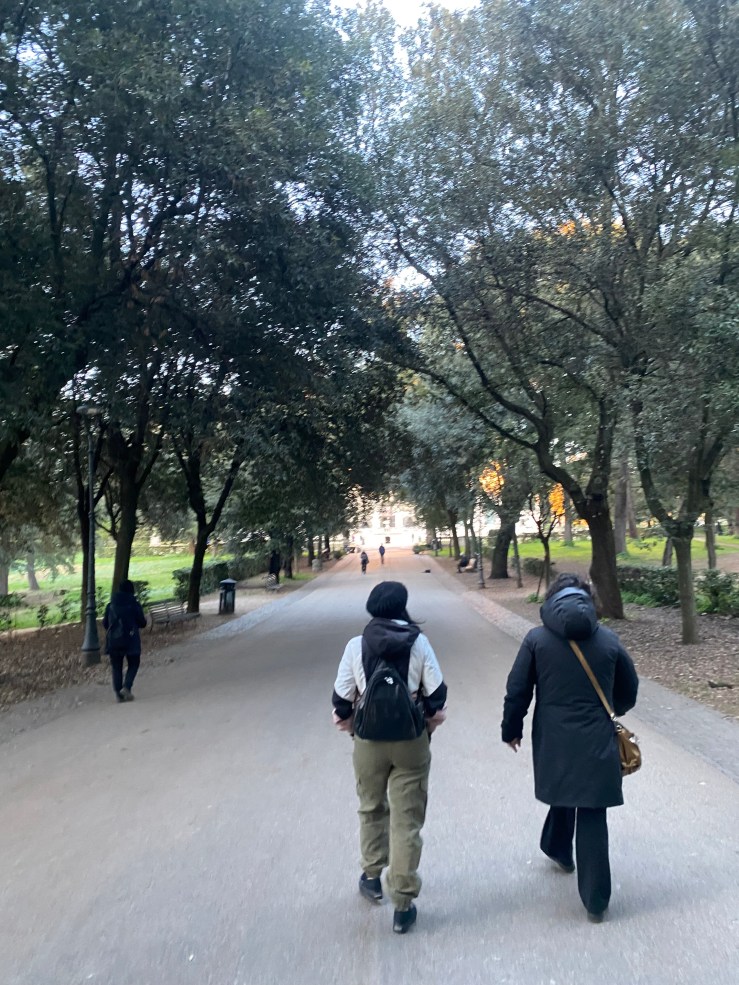
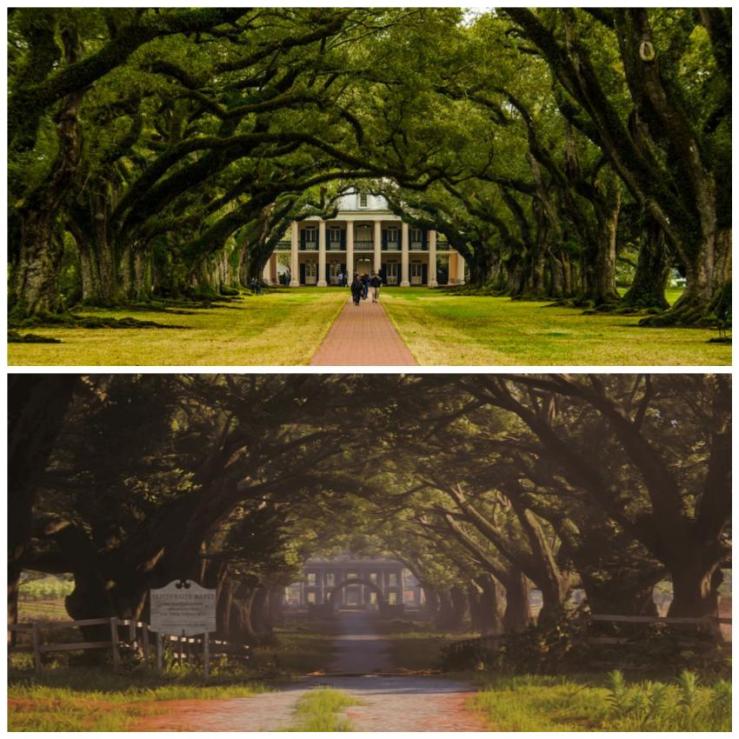
As I walked along the path leading to the front of the Borghese Gallery, I felt an odd sense of familiarity. The tall trees lining both sides of the road, and the white mansion at the end—it all felt strangely recognizable. Then it hit me: I had seen a scene like this in Red Dead Redemption 2. However, the mansion referenced in the game is the Oak Alley Plantation in Louisiana, which closely resembles the Braithwaite Manor from the game. Since the game is set in the U.S., it’s unlikely the Borghese Gallery was an inspiration. Perhaps it’s just a coincidence of architectural styles, or maybe I’m trying too hard to connect the dots. Still, feeling deja vu at an Italian gallery was quite unexpected. By the way, if you haven’t played Red Dead Redemption 2, you absolutely should—it’s amazing!
At around 4:50 PM, I met JY in front of the Borghese Gallery. Having walked 40 minutes from Piazza del Campidoglio to the gallery, I was already exhausted and asked her if we could rest outside for about five minutes. She agreed. JY is 22 years old, the same age I was when I first visited Europe. Talking to her felt like having a conversation with my younger self, which was refreshing and somewhat nostalgic. She reminded me of so many things about my younger self, so I ended up asking her all kinds of questions.
At 5 PM, we entered the Borghese Gallery. The gallery has a unique system—unlike larger museums, it’s relatively small, and visitors are only allowed to stay for a fixed time of two hours. You even hear announcements inside, reminding people when their time is up. For example, visitors who entered at 4 PM are told to leave by 6 PM.
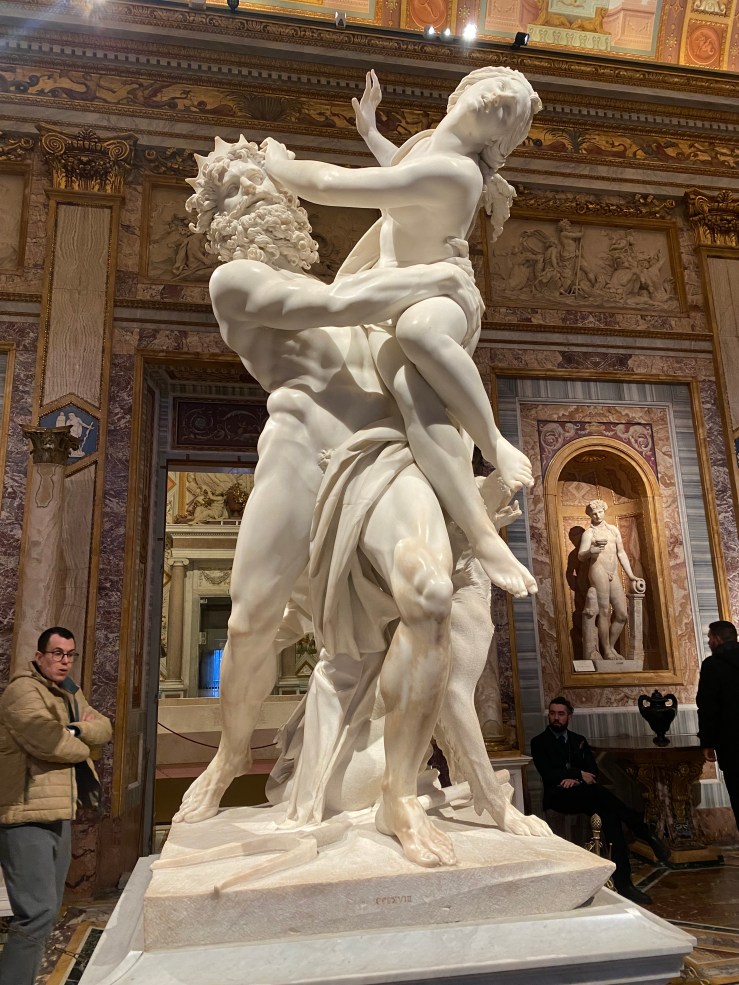
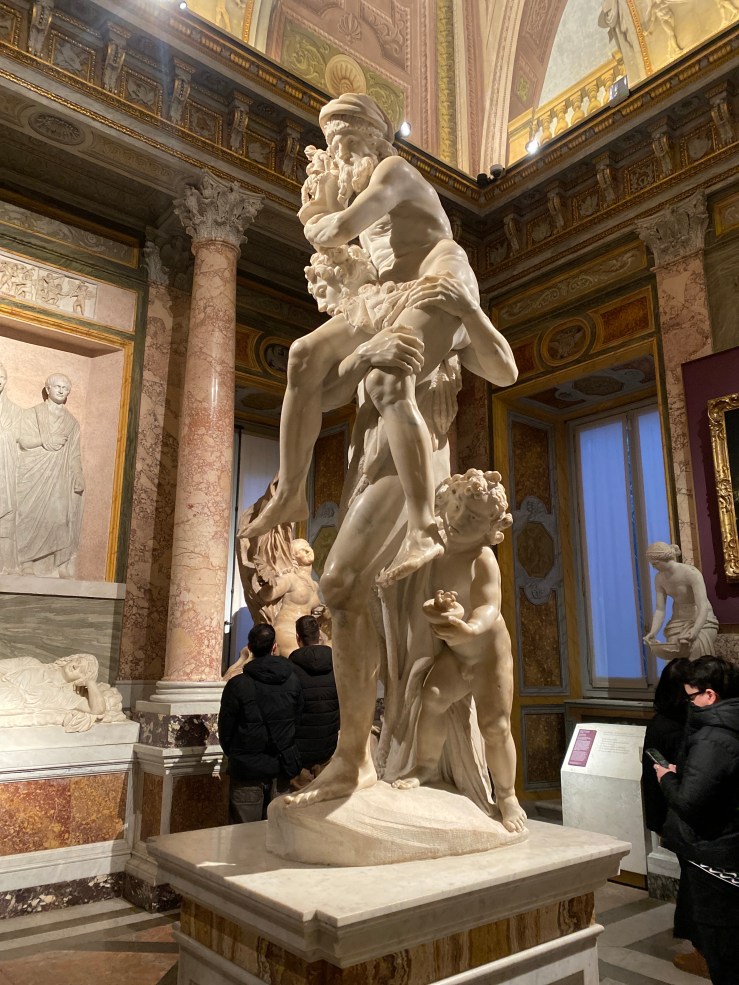
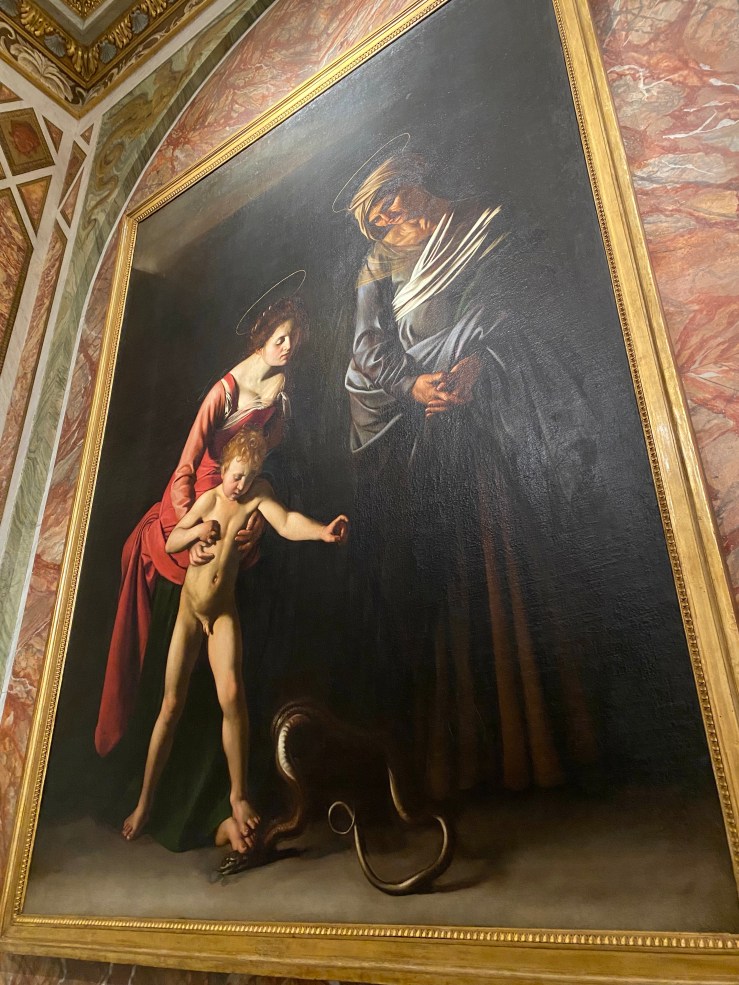
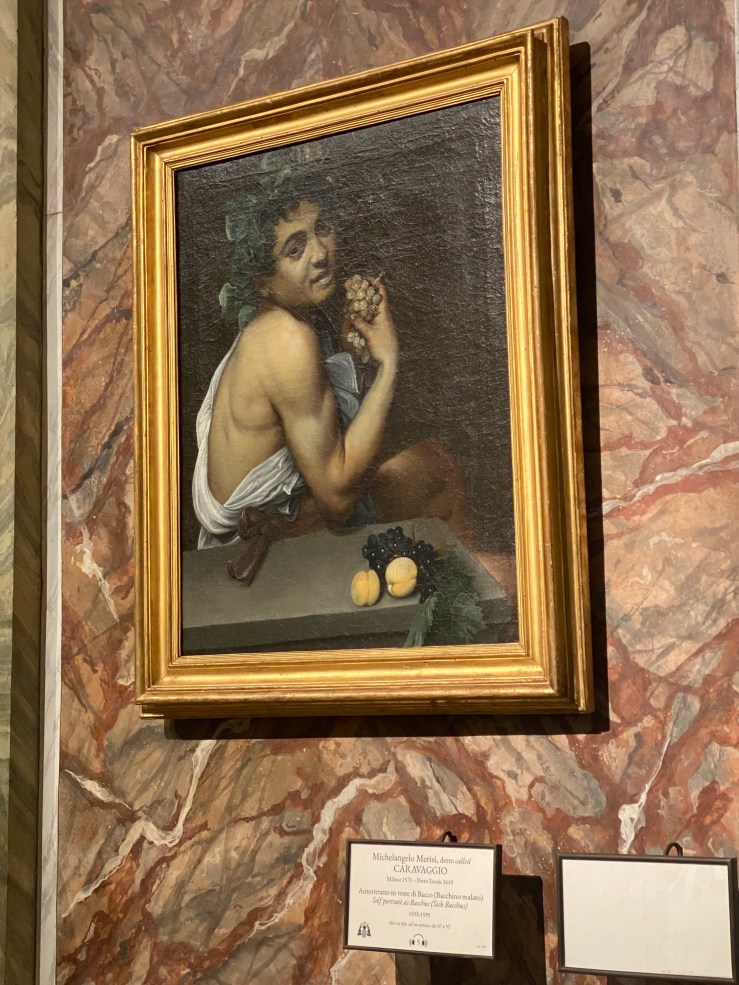
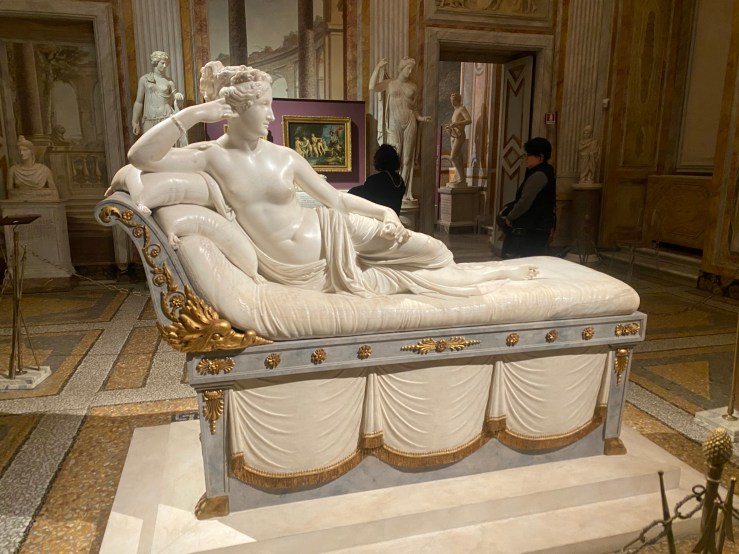
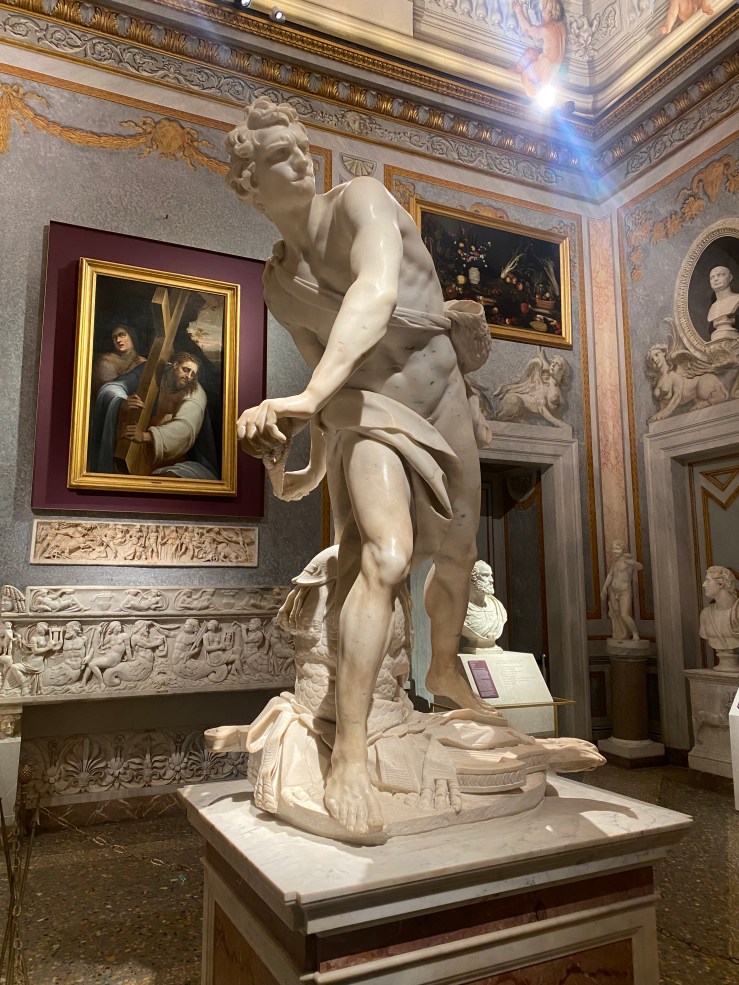
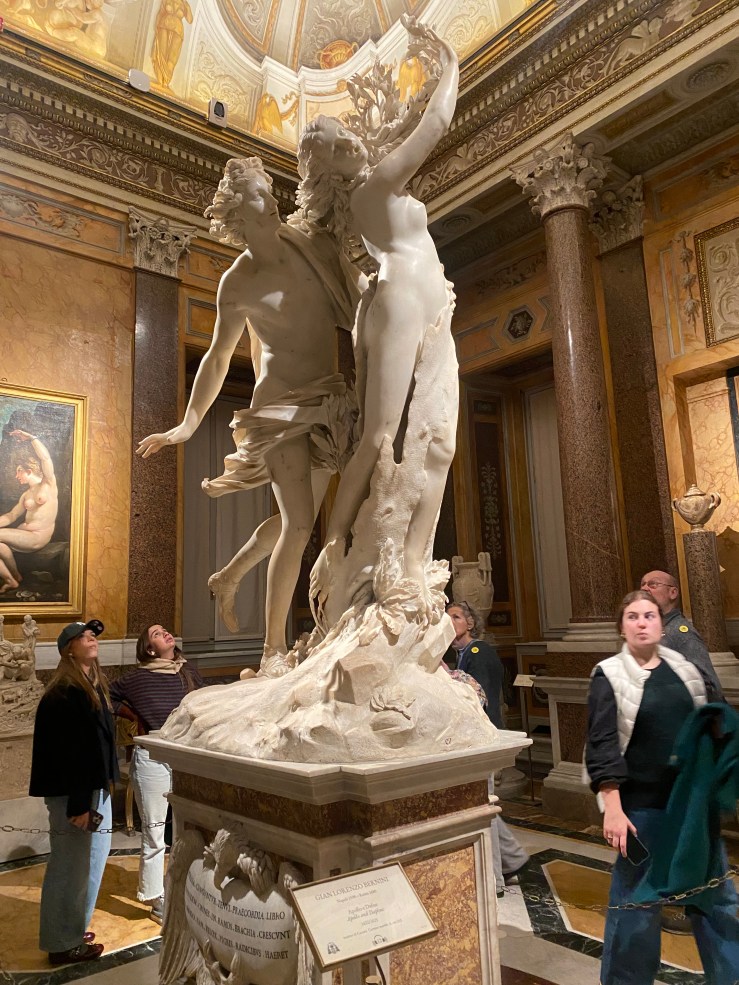
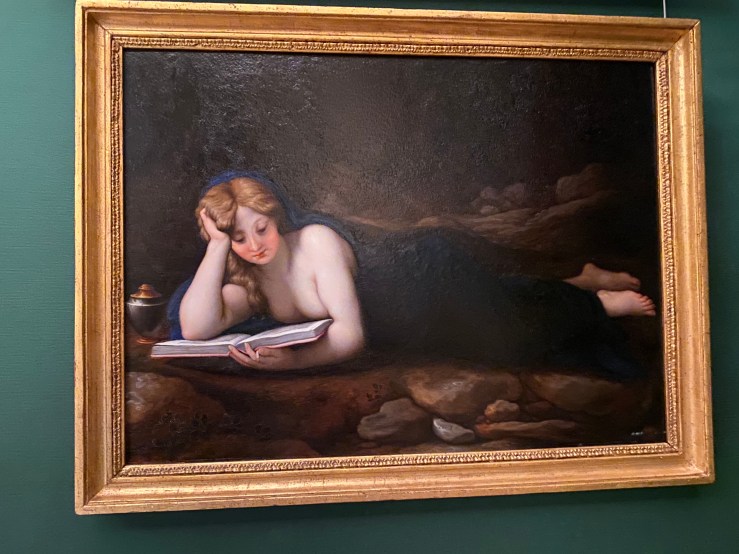
I hadn’t studied much about the Borghese Gallery before visiting, but as I admired the vivid interplay of light and shadow and the rich expressions in the artworks, I could tell they were from the Renaissance and Baroque periods. JY and I entered together but viewed the works separately. While wandering through the gallery, I thought to myself, We really have a good dynamic. It would have been nice to stay in touch after returning, but with me heading back to New York and her returning to Korea, it felt a little bittersweet.
보르게세 미술관 정면을 바라보며 걸은 거리인데 왠지 모르게 익숙함이 느껴졌다. 양 옆의 큰 나무, 그리고 그 나무들의 끝에 위치한 흰색 저택. 아, 나 이 장면 레드 데드 리뎀션2에서 봤는데. 하지만 레드데드리뎀션2가 참고한 저택은 오크 앨리 플랜테이션 저택으로, 미국 루이지애나에 위치하고 있고 게임에서 등장한 브레이스웨이트 저택과 상당히 흡사하다. 게다가 게임의 배경이 미국이라 보르게세 저택을 참고했을 것 같지는 않다. 그냥 비슷한 양식이 겹친게 아닐지, 아니면 내가 어떻게든 링크를 만들어 보려고 하는건지, 하지만 이탈리아 미술관에서 기시감을 느껴 당황한 것은 사실이다. 그리고 레드 레드 리뎀션2는 반드시 플레이해 보아야 하는 게임이다 ^^!
약 오후 4시 50분 경 JY를 보르게세 미술관 앞에서 만났다. 40분동안 깜피돌리아 광장에서 보르게세 미술관까지 걷느라 지친 나는 한 5분정도 밖에서 쉬자고 했고, 그녀는 알겠다고 했다. JY는 22살로, 내가 처음 유럽에 방문했을 때의 나이와 동일한 나이인 여학생이었다. 그녀와 이야기하는데 내 과거와 이야기 하는 느낌을 받아서 신선했다. 내 어릴 적 모습과 많은 공통점을 가진 친구라 이것저것 많이 물어봤다.
오후 5시경 보르게세 미술관 안으로 진입했다. 보르게세 미술관은 특이한데, 일단 사이즈가 다른 미술관에 비해 굉장히 소박하고 그에 따라 미술관에 있을 수 있는 시간이 정해져 있다. 2시간이다. 그래서 미술관 내부에서 작품들을 보는 중간에 방송을 하는 것을 들을 수 있다. 오후 4시에 들어온 사람은 6시까지 퇴장하라. 뭐 이런 식으로.
보르게세 미술관은 내가 공부를 크게 하고 간 곳이 아니다. 하지만 작품에서 드러나는 빛과 어둠, 풍부한 표정을 봤을 때 르네상스 – 바로크 시대의 작품들이라는 것을 짐작해 볼 수 있었다. JY와는 같이 입장했지만 작품은 따로 관람하였다. 속으로 우리 스타일이 되게 잘 맞는다.. 라고 생각했다. 귀국한 이후에도 볼 수 있으면 좋을텐데, 나는 뉴욕으로 돌아가야 하고 그녀는 한국으로 돌아갈 예정이라 조금 아쉬웠다.
She reminded me of my past; I made her be reminded of her future
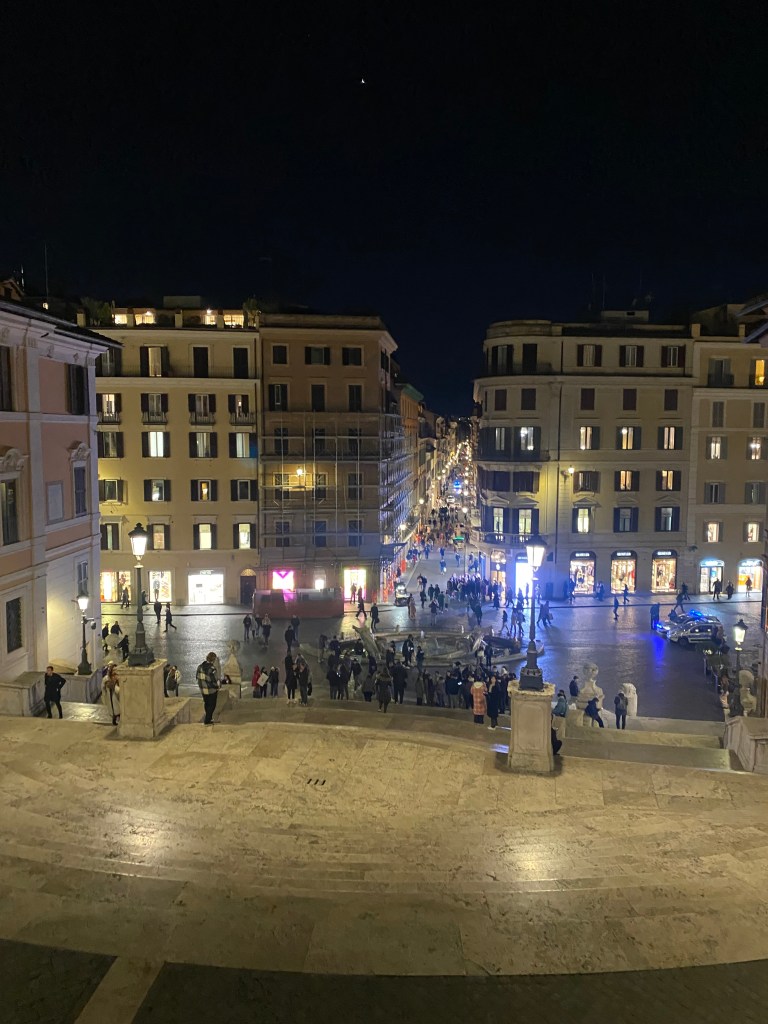
After leaving the Borghese Gallery, we headed toward the Spanish Steps. JY had already looked up a restaurant near the area, and since my accommodation was also close to the Spanish Steps, I was grateful for her thoughtfulness. She’s such a considerate person.
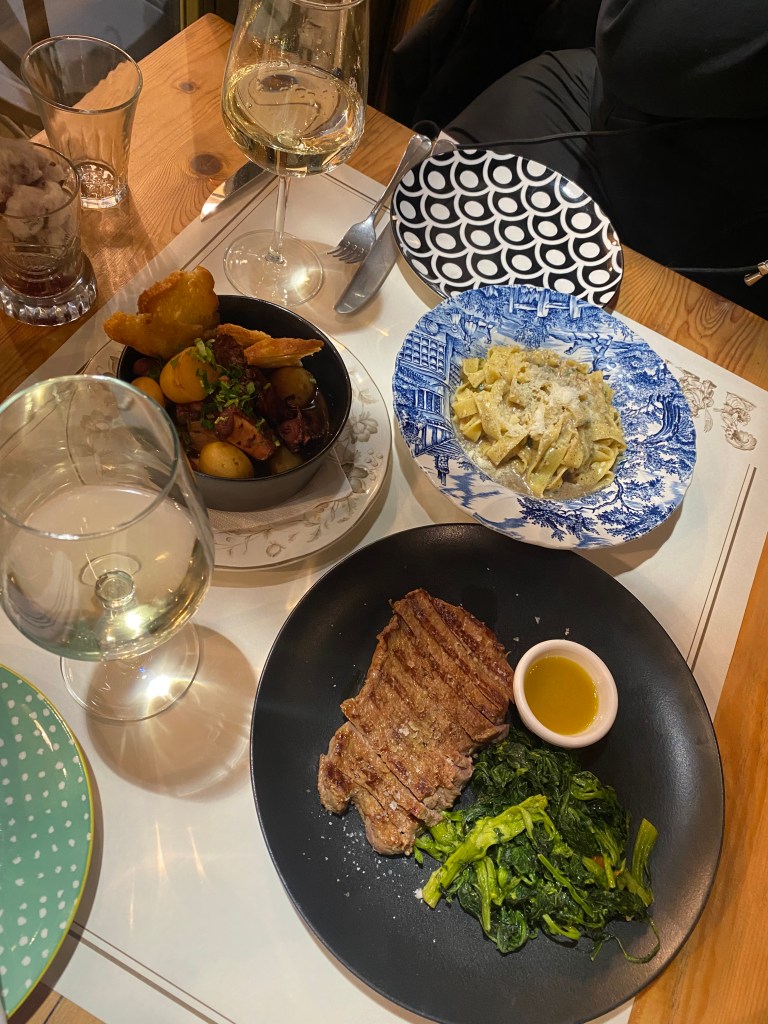
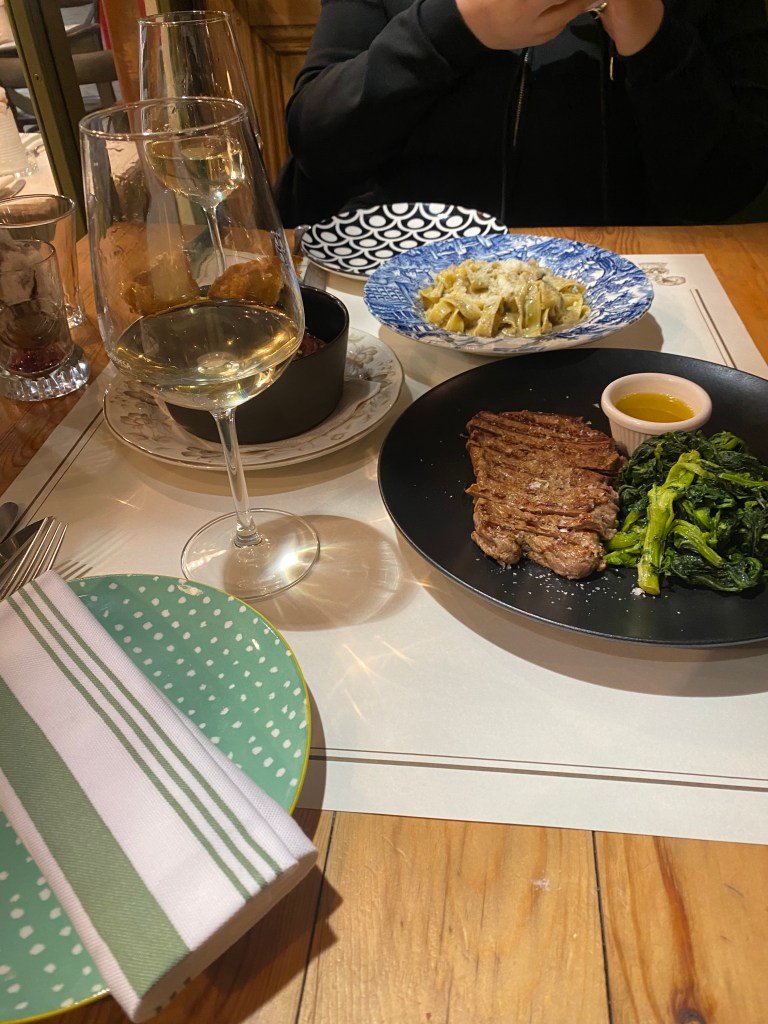
We shared truffle pasta, octopus, steak, and wine, talking about everything from our life stories to travel experiences. It was the perfect way to enjoy our last night in Rome.
When I mentioned that I was studying in New York, JY said it sounded amazing. I told her that I admired her refusal to settle for an ordinary life, which I thought was even more impressive. At 22, she has so much potential ahead of her. But just as I couldn’t fully grasp the possibilities that lay before me at that age, I felt she might be in the same position now. So I told her, Ten years ago, I never imagined I’d be studying abroad, let alone in New York. And it was true. At 22, I didn’t even know I’d be drawn to the field of quantitative finance. Back then, I was just a freshman, spending my days drinking with friends around Konkuk University and Hongdae. JY was amazed by my story, and I hoped that it might inspire her in some way as we finished our meal.
보르게세 미술관에서 나온 후 우리는 스페인 계단 쪽으로 이동했다. JY가 스페인계단 근처의 레스토랑을 알아뒀기 때문이었다. 내 숙소도 스페인계단과 가까웠으므로, JY에게 고마웠다. 참 배려심 있는 친구다.
같이 트러플파스타, 문어 요리, 스테이크, 그리고 와인을 곁들여 먹으머 많은 이야기를 했다. 각자의 인생 이야기, 여행 이야기 등을 나누며 로마에서의 마지막 밤을 즐겼다.
JY는 내가 뉴욕에서 공부한다고 하니까 멋지다고 했다. 난 JY의 인생에 있어 평범함을 거부하는 삶의 태도가 더 멋지다고 했다. 22살, 얼마나 많은 가능성을 가진 나이인지. 하지만 내가 그 가능성을 당시에는 짐작하기 어려웠던 것처럼, 그녀도 비슷할 것이라는 생각을 했다. 그래서 JY에게 10년 전에 내가 타지, 그것도 뉴욕에서 공부를 할 줄이라고는 상상도 못했어 라고 말해주었다. 어느정도 사실이었다. 22살 난 내가 퀀트 필드에 매력을 느낄지조차 몰랐으니까. 그때 난 동기들과 건대, 홍대까지 술을 마시러 다니는 새내기 학생에 불과했다. JY는 내 이야기를 들으며 놀라워했다. 내 이야기가 JY에게 어떤 영감을 주길 바라며 식사를 마무리했다.
It took 10 hours for coming back to the reality
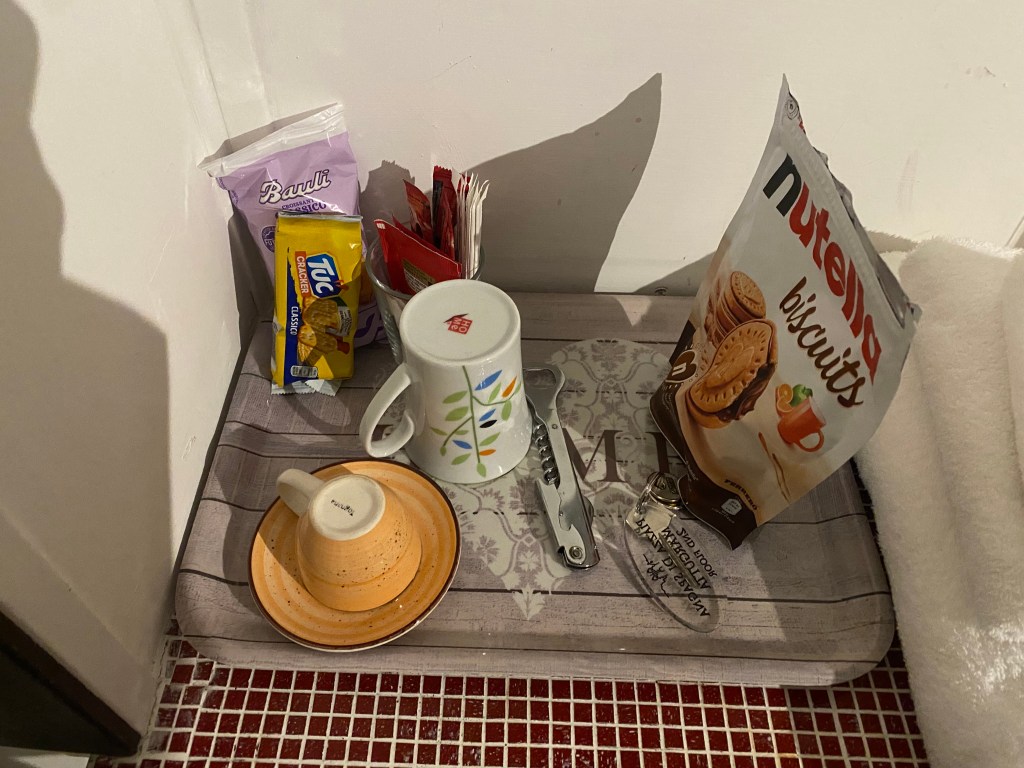
After arriving back at the hotel, I spent about two hours packing like crazy. I had bought so many things in Paris and Rome that even the items I had unpacked earlier had to go back into my suitcase. Sweating as I worked, I carefully squeezed everything in. Completely exhausted, I quickly washed up and went straight to bed.
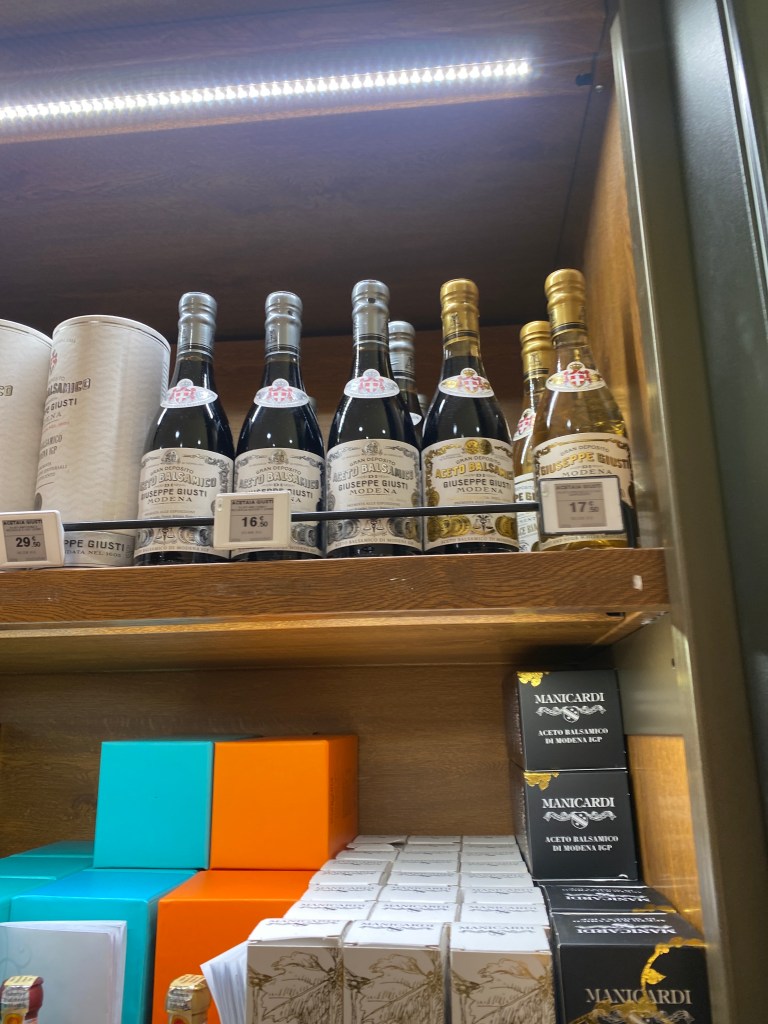
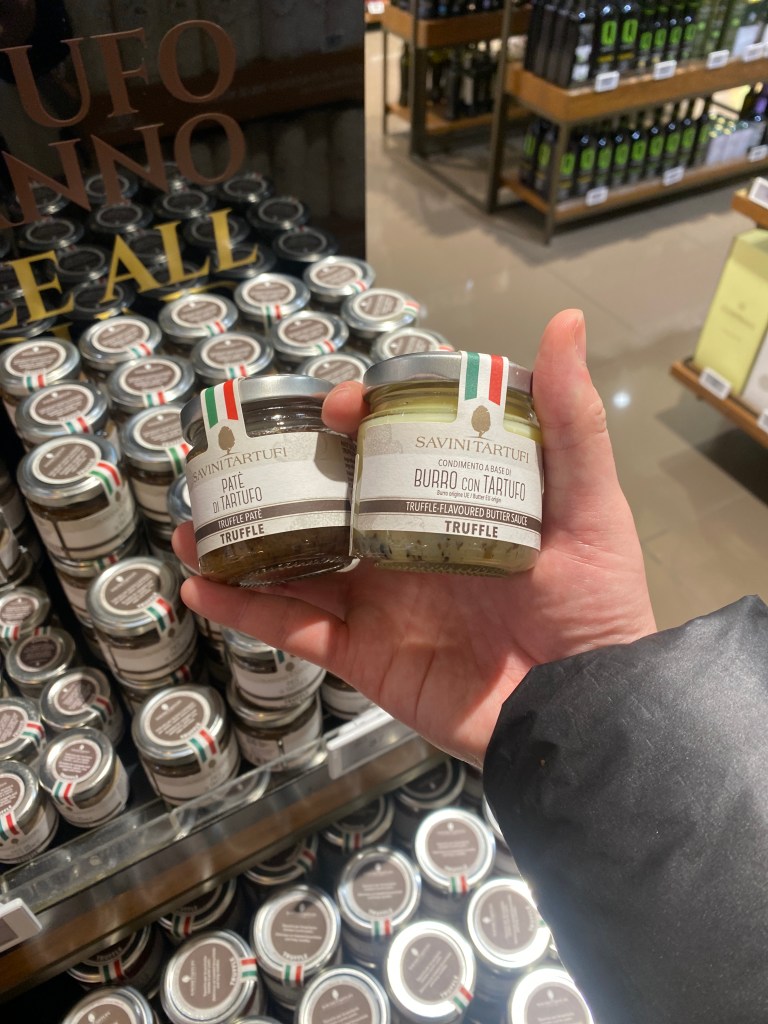
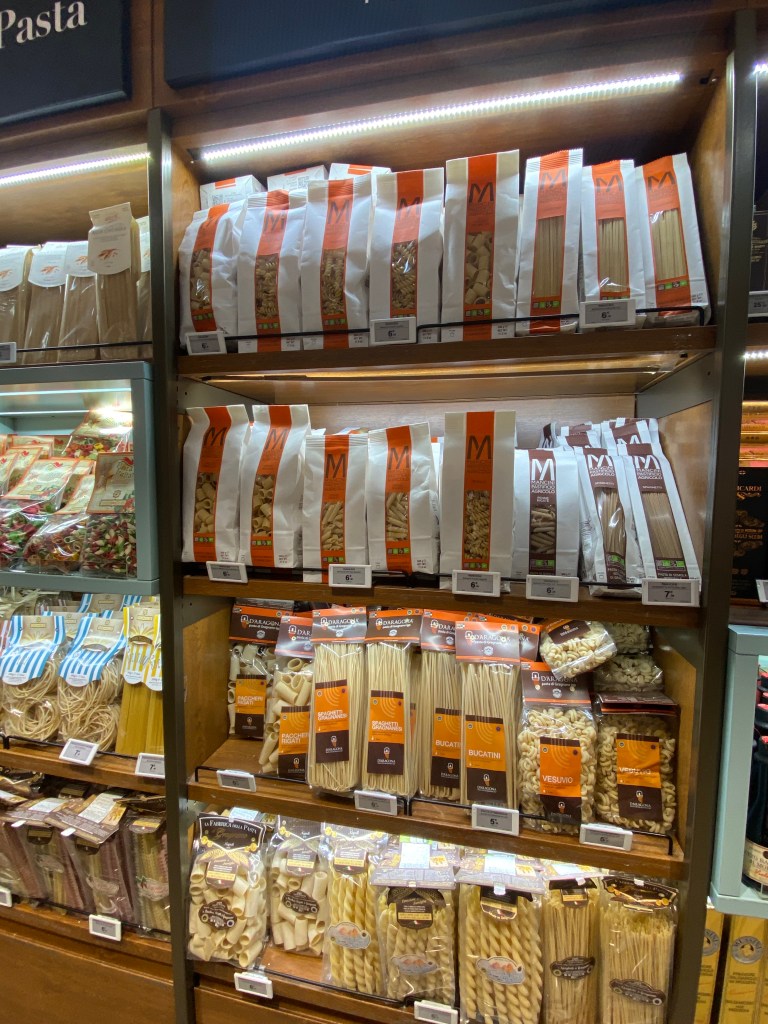
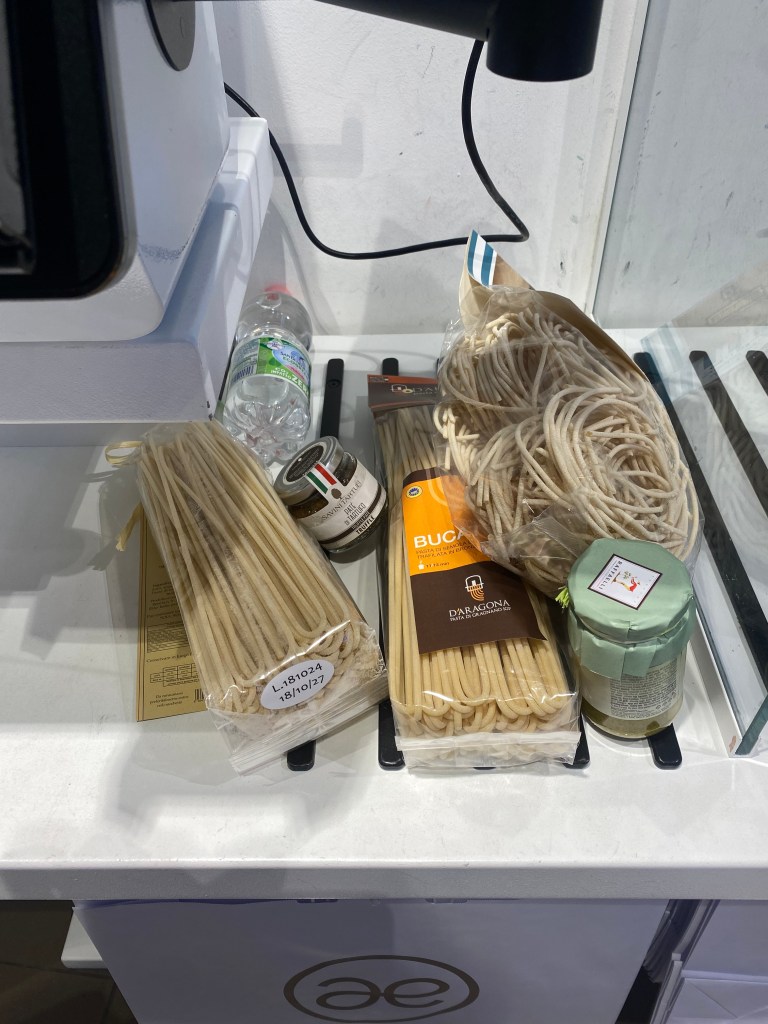
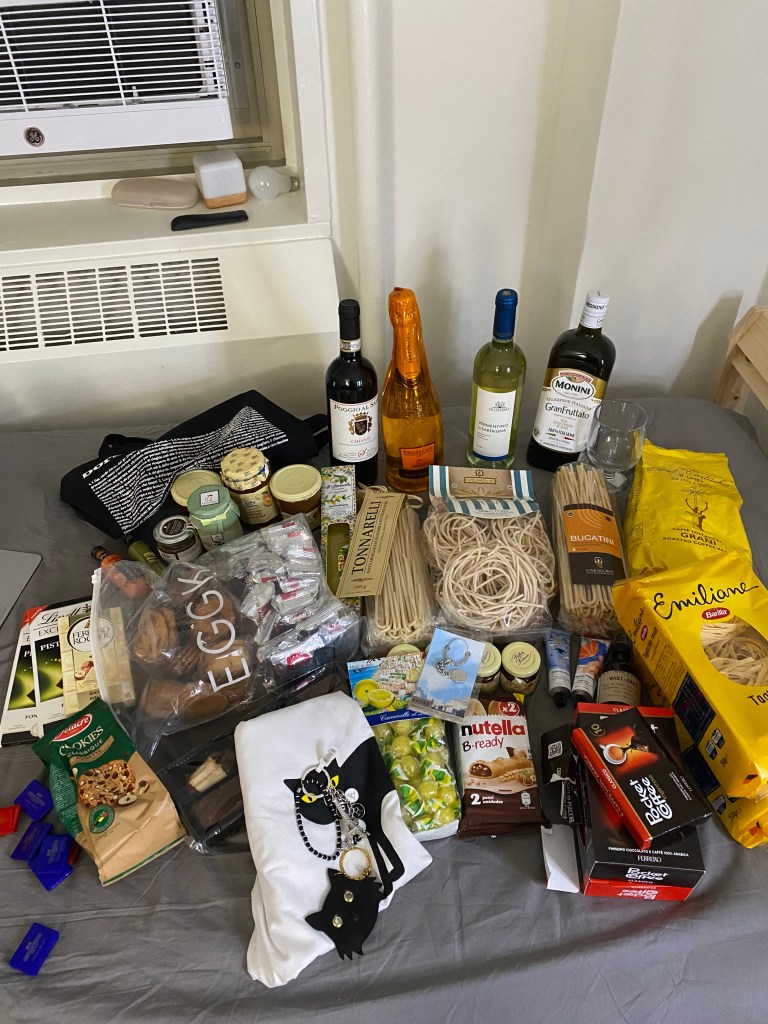
The next day, I arrived at Rome Airport much earlier than necessary, so I spent some time browsing the duty-free shops. As expected from the country of pasta, there were endless shelves of pasta, truffle pesto, olive oil, and various other food items. I had loved the thick pasta I tried in Rome so much that I bought three packs of something similar. Still inspired by the truffle pasta I had the night before, I thought to myself, I’m going to become a chef too! and ended up buying a small jar of truffle pesto. The price was brutal—it was truffle, after all—coming to 37 euros.
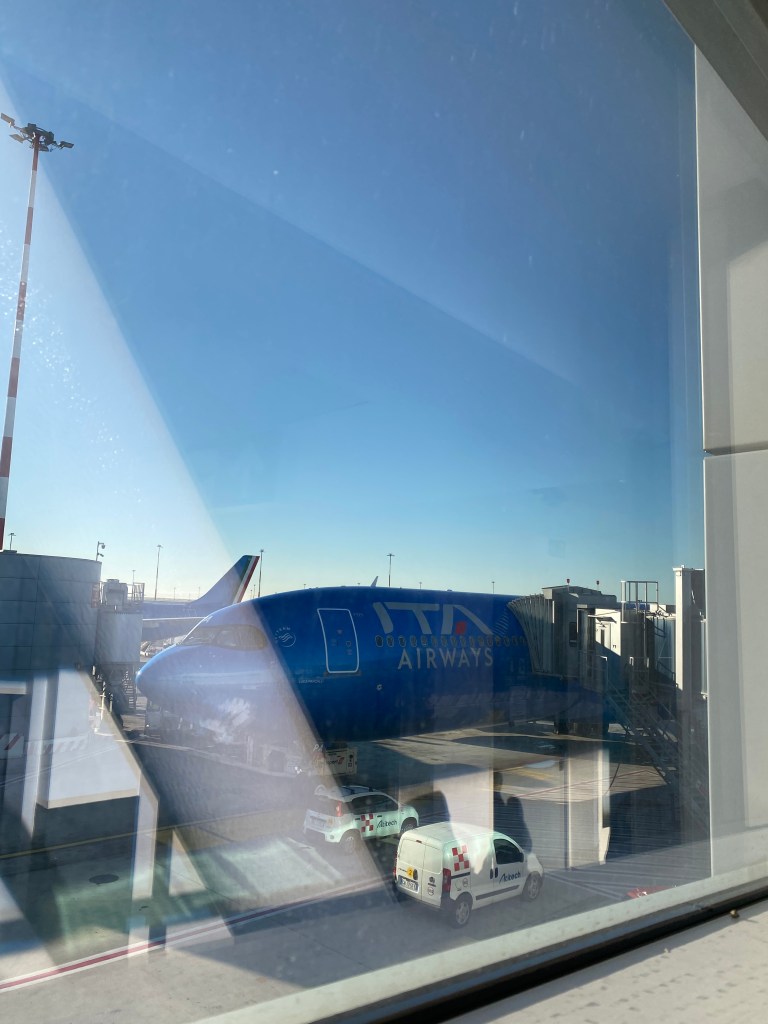
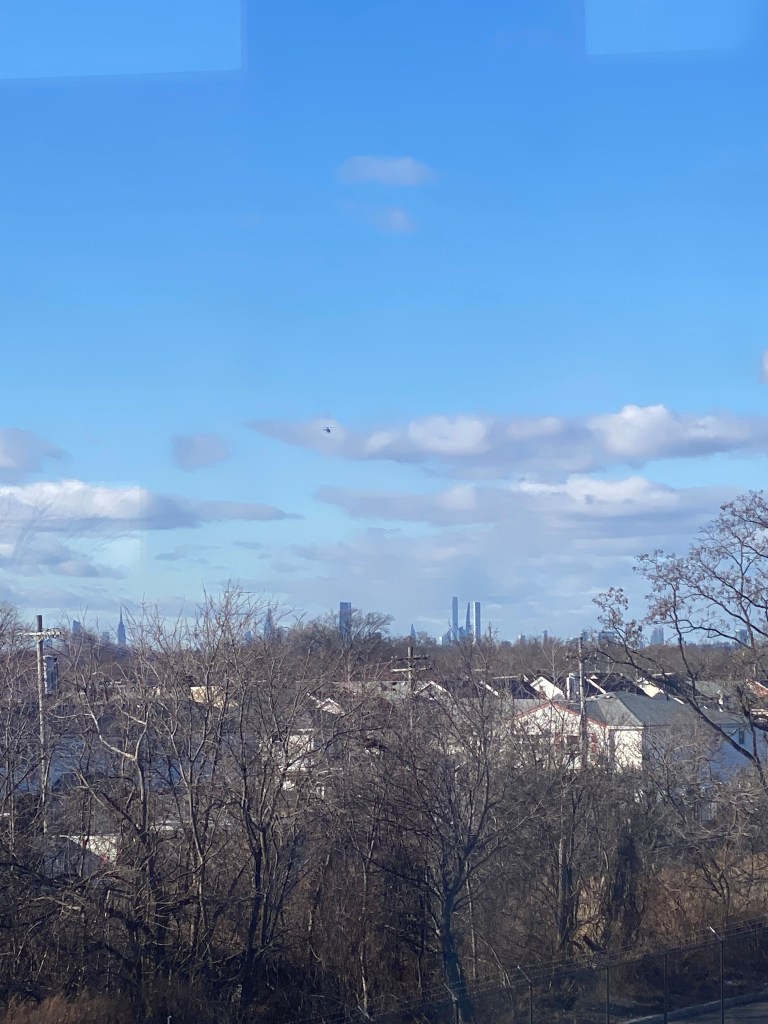
The flight back to New York on Alitalia took about 10 hours. The biting New York cold felt like a harsh wake-up call, as if to say, Your trip is over, time to return to reality.
(By the way, Alitalia’s in-flight meals are absolutely delicious. If you ever get the chance to fly with them, don’t miss it. They’ve mastered flavors that are rare for airplane food.)
호텔로 도착한 뒤 약 두시간동안 미친듯이 짐을 쌌다. 파리 및 로마에서 구매한 물건들이 너무 많았다. 원래 꺼내두었던 물건도 다시 캐리어 안에 넣어야 했기 때문에 땀을 뻘뻘 흘리며 짐을 쌌다. 간단히 씻기만 하고 잠들었다.
다음 날, 로마 공항에 도착한 뒤 너무 일찍 도착하여 면세점을 돌았다. 역시 파스타의 나라가 아니랄까봐 파스타 면, 트러플 페스토, 올리브오일, 기타 등등 식품 종류가 많았다. 나는 로마에서 먹은 두꺼운 파스타 면이 너무 좋아 비슷한 파스타 면을 세 개나 구매했다. 그리고 어제 저녁 먹은 트러플 파스타의 여파로 나도 요리사가 되겠어 하는 마음으로 조그만 트러플 페스토도 구입했다. 가격은 사악했다.. 트러플이라 어쩔 수 없겠지만, 37유로였다.
알이탈리아 비행기를 타고 약 10시간동안 비행하며 뉴욕으로 다시 돌아왔다. 뉴욕의 미친 추위는 여행이 끝났으니 어서 현실로 돌아오라고 말하는 것 같았다. (그리고 알이탈리아 기내식 진짜 맛있다. 기회가 되면 꼭 알이탈리아 타봐라. 기내식이 내기 힘든 맛을 구현하는 항공사다.)
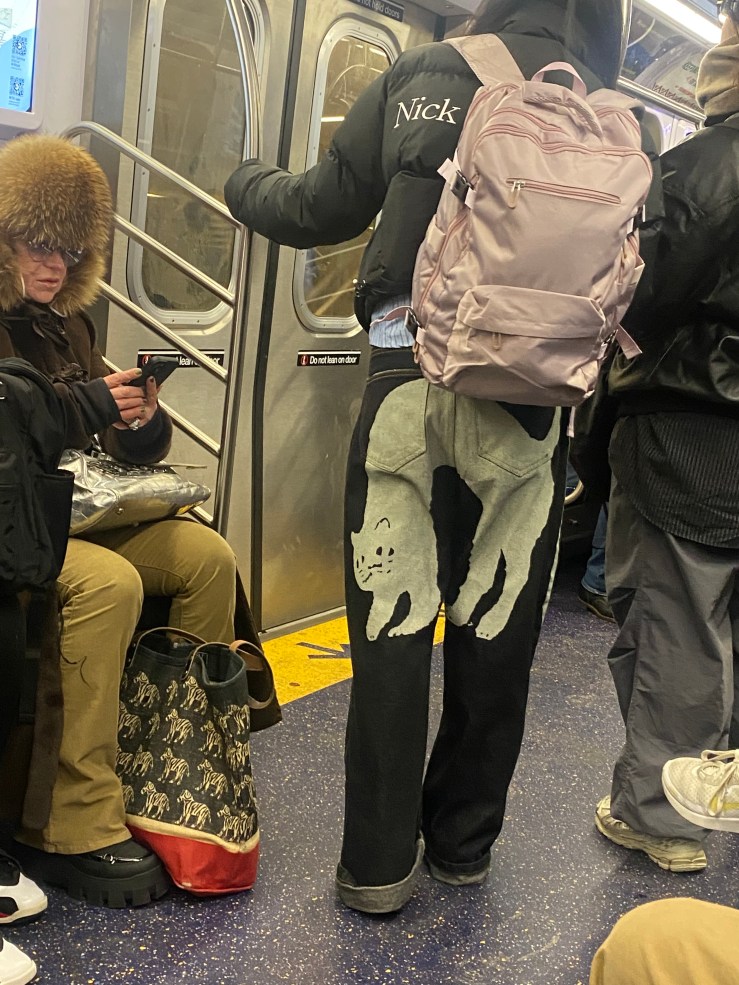
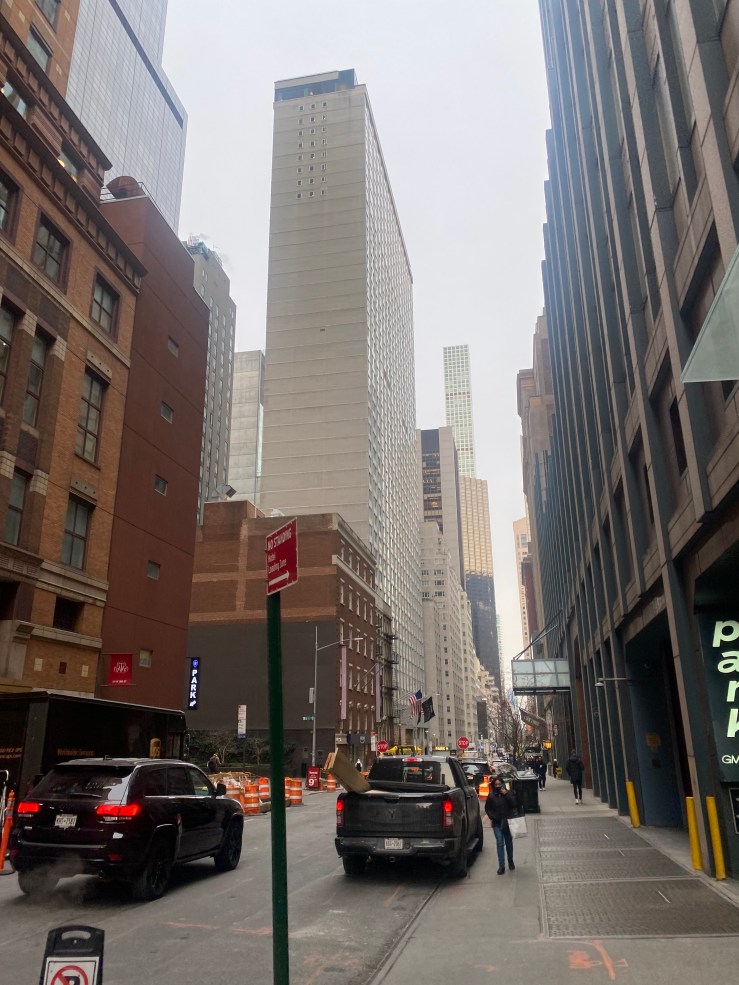
Hey, can I get New York with a sprinkle of Rome and Paris?
I was never the type to buy many souvenirs while traveling. I had already spent a lot on the trip itself, had limited space in my suitcase, and often thought of souvenirs as a marketing gimmick. But last year, I bought about five vinyl records in Tokyo, and listening to them after returning to Korea made me feel like the trip hadn’t really ended. A couple of months later, I visited Japan again—this time just a short trip to Enoshima. There, I bought an espresso cup in the color of the sea. Even after returning to Seoul, that cup seemed to soften the shock of the trip being over. It felt as though the souvenirs were saying, “The joy you experienced wasn’t just a fleeting dream. The things you brought back from that place are still making you happy.” After that trip to Enoshima, I started buying more souvenirs whenever I traveled.
I arrived in New York on a Wednesday afternoon, but honestly, I can’t recall much about that week. The three freezing days in Paris, the grueling schedule of tours in Rome—they had all left me utterly drained. Even though I slept like crazy on the plane, it clearly wasn’t enough. I remember just sleeping whenever I had the chance. I didn’t have the energy for anything productive. At some point, I gave my roommate a jar of jam I had bought in Paris. Seeing how much they liked it made me happy. I love sharing small things—chocolates, candies, beauty samples, miniature perfumes, hand creams, and so on. I think giving small gifts creates little events in people’s everyday lives.
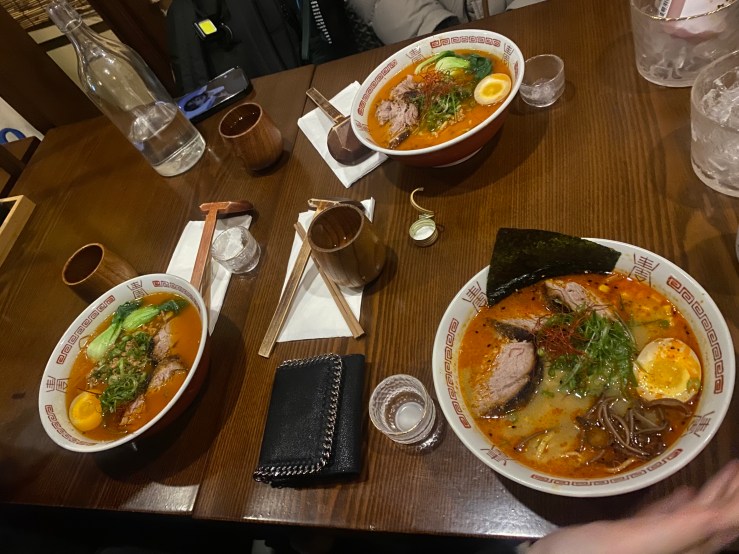
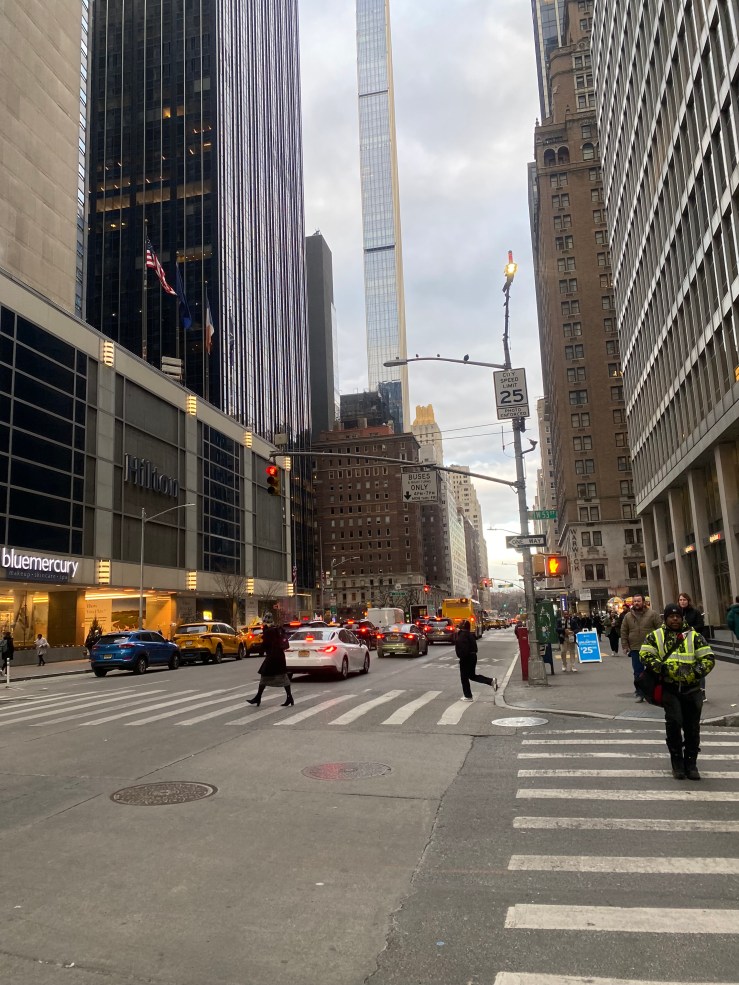
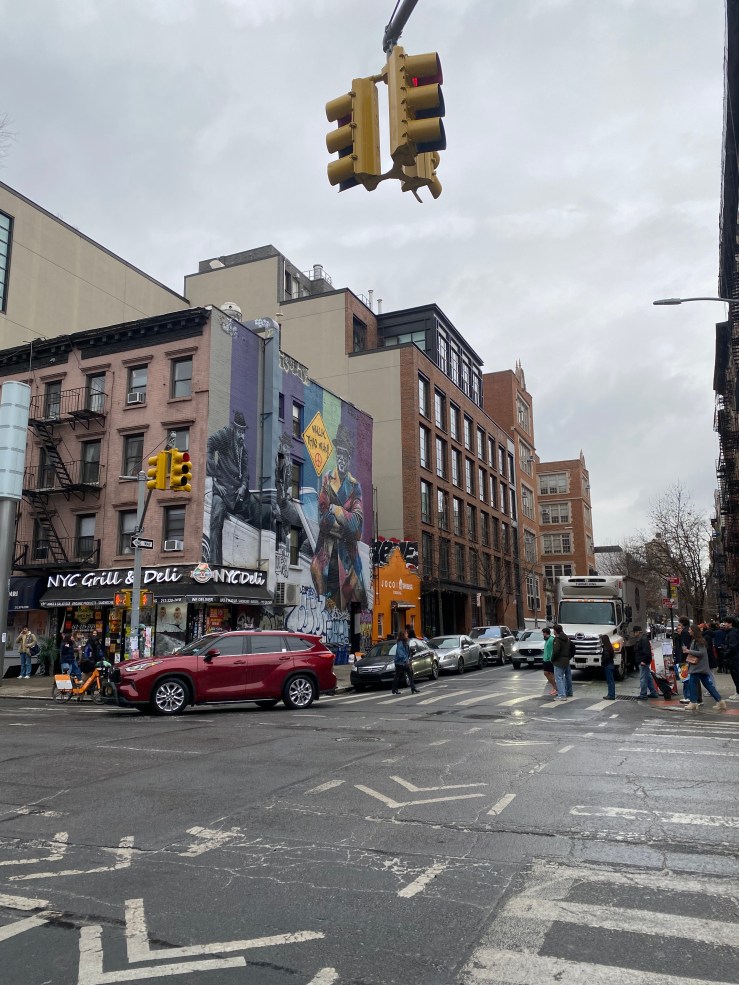
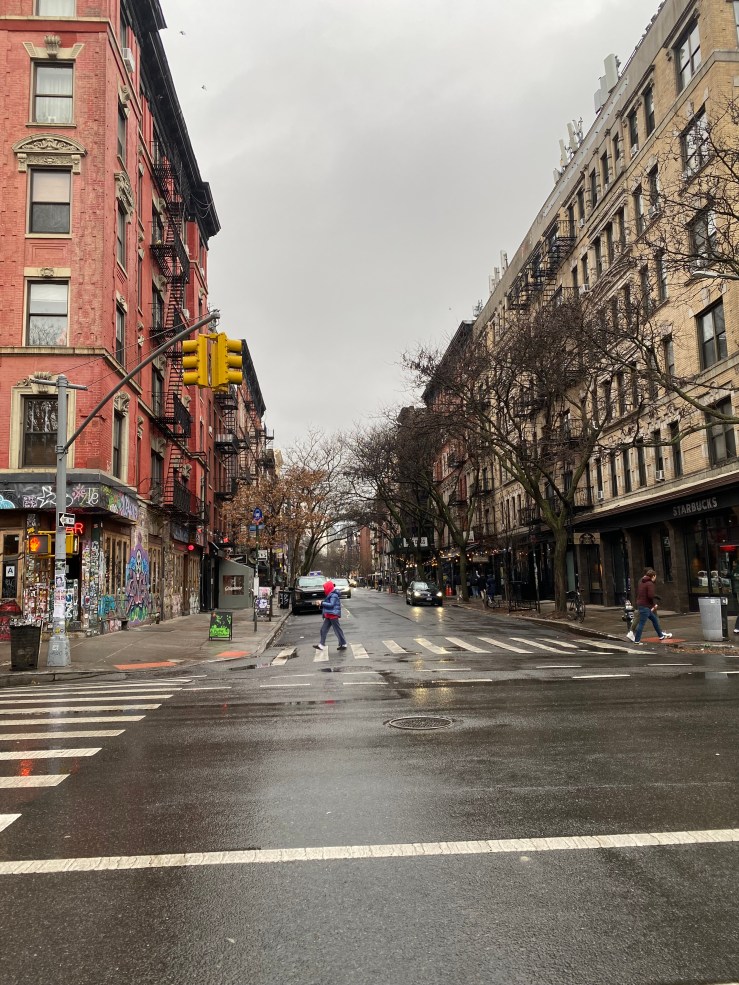
Anyway, starting the following week, I got back into my school routine. The sky in New York was gray, the weather was cold, and everything felt even bleaker than it had before I left for Europe. But meeting my friends after such a long time made those things seem unimportant. Between classes, we went to Shinjuku Ramen, which is amazing. Just thinking about it makes me want to go back.
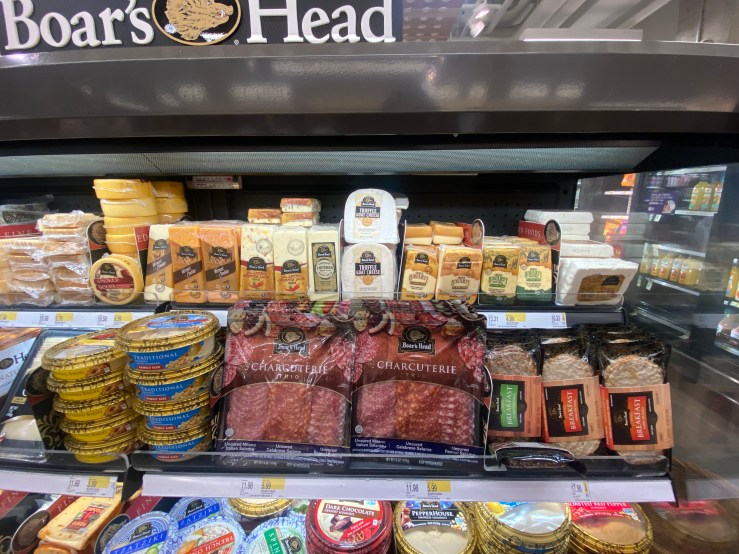
After school, as usual, I stopped by Target. This time, I focused on the cheese section because I had three bottles of wine sitting in my room—souvenirs from Rome that had cost me an extra 80 euros for checked luggage. A bottle of red wine, a bottle of white, and a bottle of sparkling wine. I wanted to buy cheeses that would pair well with each one. I took some photos and asked GPT for recommendations, which helped me choose a few. Unfortunately, I forgot to buy a wine opener, so I haven’t been able to open them yet.
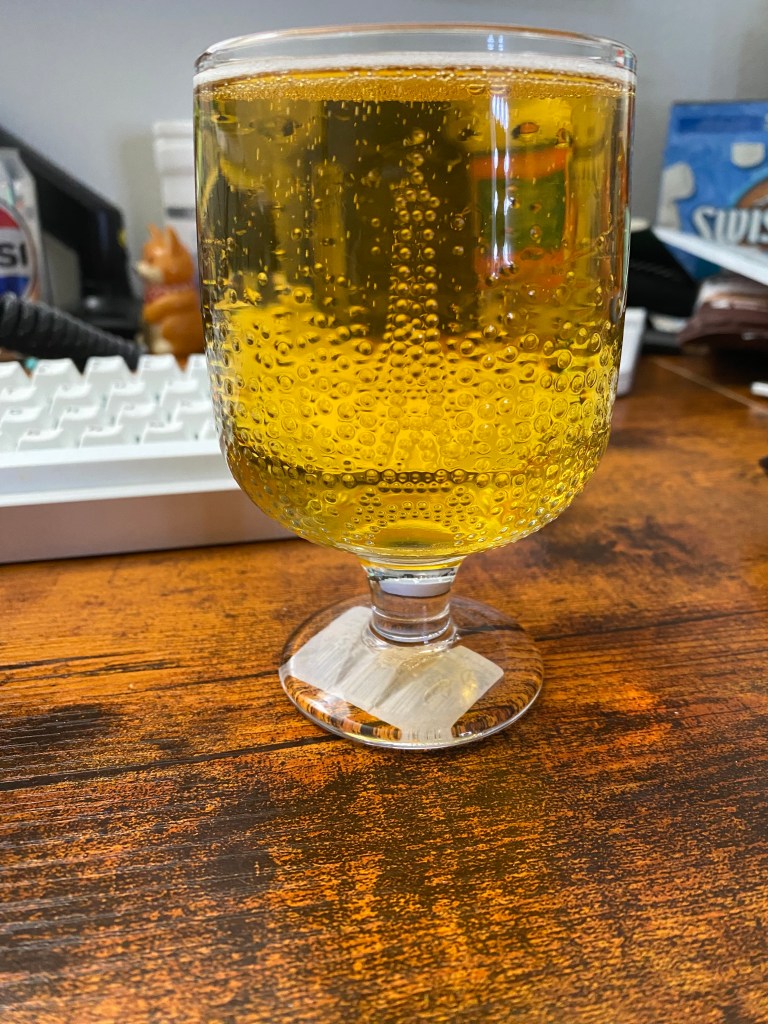
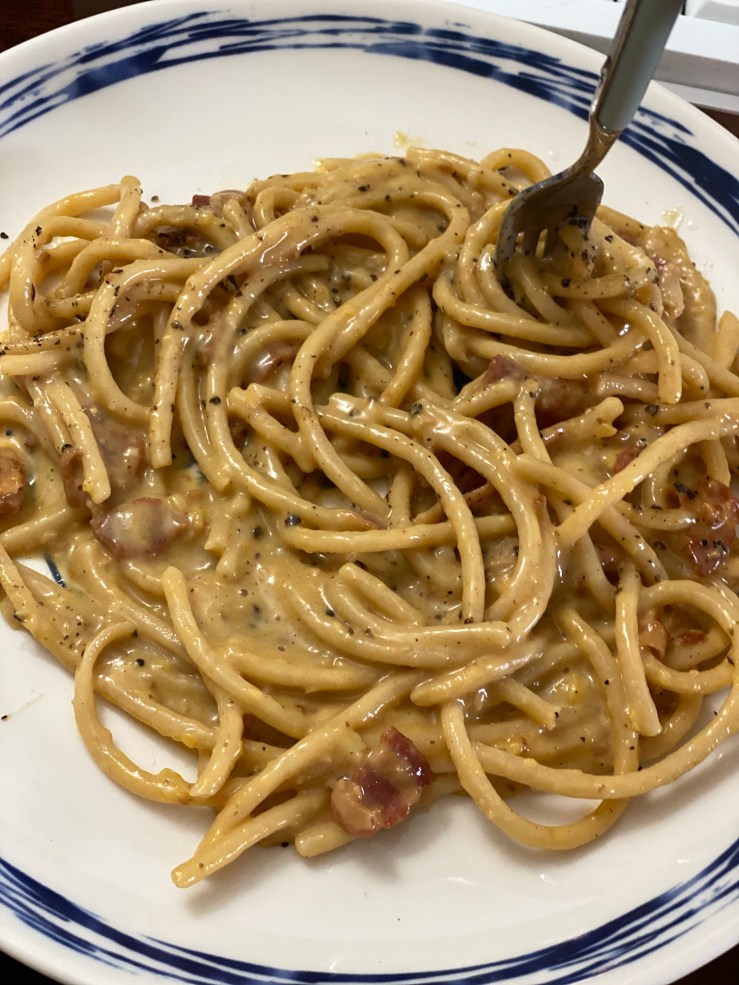
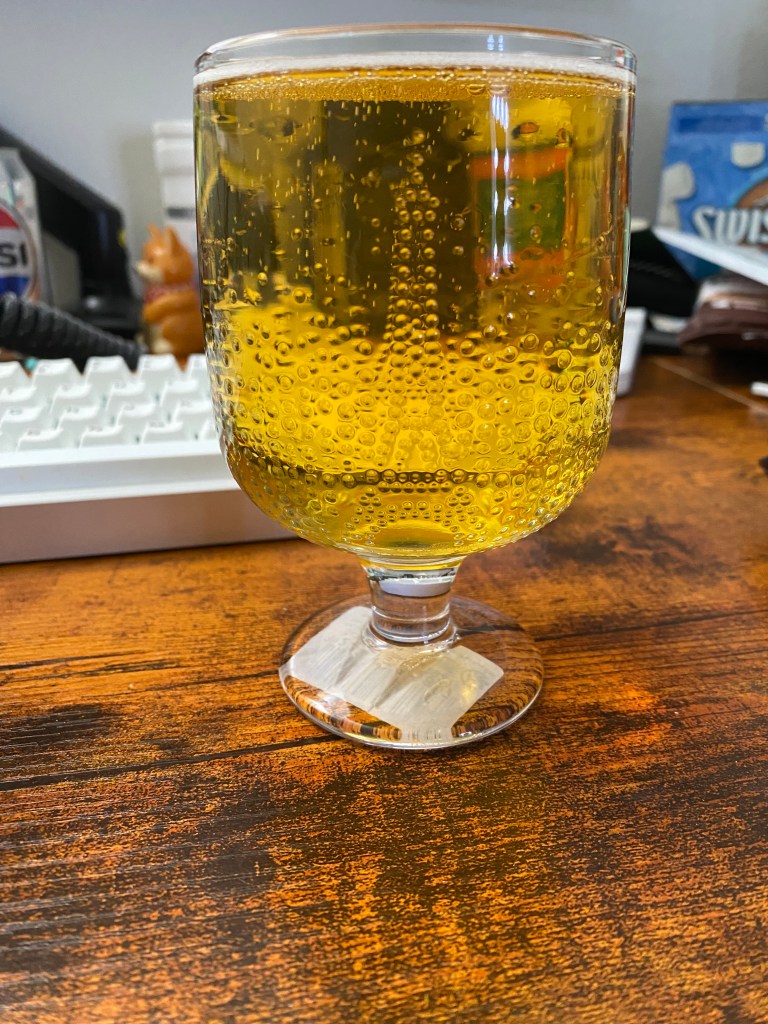
Back home, I made carbonara using egg yolks and Parmigiano Reggiano for the sauce. Instead of my usual 99-cent Target pasta, I used the Roman-style pasta I’d bought at the airport in Italy. Unfortunately, it didn’t turn out as well as I’d hoped. The instructions said to cook the pasta for 15 minutes, but I think my heat was too low because the noodles were undercooked. After eating the pasta, I poured a Sapporo beer into the Eiffel Tower glass I’d bought in Paris. Looking at the glass made me miss Paris, and memories of my time there flashed through my mind like a panorama.
원래는 여행을 갔을 때 그 나라의 기념품을 많이 사오는 타입이 아니었다. 여행 자체에 돈을 이미 많이 쓰기도 했고, 캐리어에 자리도 없고, 또 기념품이 왠지 상술 같기도 해서다. 그런데 작년에 도쿄에서 LP 음반들을 5개정도 사고 한국에 다시 도착하며 그 음악들을 들으니 여행이 끝나지 않는 기분이 들었다. 그리고 도쿄 여행 이후 약 두 달 만에 다시 간 일본, 그때는 에노시마만 짧게 들렀는데 그 곳에서 구매한 바다 색감의 에스프레소잔은 내가 서울로 돌아온 이후에도 여행이 끝났다는 충격을 경감시켜 주는 것 같았다. ‘너가 그 곳에서 즐거운 시간을 보낸 건 한순간의 꿈이 아니었어. 그 곳에서 온 물품들이 널 아직도 이렇게 즐겁게 해주고 있잖아’ 라고 기념품들에게 위로받는 느낌을 받았다. 그래서 에노시마 여행 이후로 여행지에 가면 기념품을 많이 사들고 오기 시작했다.
뉴욕에는 수요일 오후 경 도착했는데, 사실 그 주는 어떻게 보냈는지 기억이 나지 않는다. 파리에서의 추위에 떤 3일, 로마에서 투어로 점철된 강행군. 비행기에서도 미친듯이 잤는데, 그걸로 휴식은 충분하지 않았나보다. 그냥 기회만 있으면 잤던 것으로 기억한다. 생산적인 활동을 할 수 있는 에너지가 남아있지 않았다. 그 와중에 룸메이트에게 파리에서 산 잼을 건넸다. 좋아하는 모습을 보니 기뻤다. 난 작은 것들을 나누길 좋아한다. 초콜릿, 사탕, 화장품 샘플, 향수 미니어처, 핸드크림 등등. 난 선물을 주는 행위는 사람들의 평범한 일상에 작은 이벤트를 만들어주는 것이라고 생각한다.
아무튼, 도착한 다음주부터 스케쥴에 맞게 학교에 갔다. 뉴욕의 하늘은 흐리고, 날씨는 춥고, 내가 유럽으로 출발하기 전보다 더 삭막해져 있었다. 그래도 오랜만에 친구들을 만나니 그런 것들은 크게 중요하지 않아졌다. 우리는 수업과 수업 사이의 시간에 Shinjuku Ramen집으로 이동했다. 여기 진짜 라멘 맛집이다,,, 으 또 가고싶네 ㅎ
학교가 끝난 후 여느 때처럼 타겟에 들어갔다. 이번에 내가 눈여겨본 섹션은 치즈 구간이다. 로마에서 추가 수하물 80유로를 내게 한 와인 세병이 내 방에 있기 때문이다. 레드와인, 화이트와인, 스파클링 와인인데 각 와인에 어울리는 치즈를 구매하고 싶었다. 사진을 찍고 gpt에게 물어보니 치즈 몇가지를 추천해줬다. 아뿔사, 근데 와인 오프너를 구매하지 않아서 아직 마시진 못하고 있다 😦
집으로 돌아와 계란 노른자, 파르미지아노 레지아노 치즈를 이용해 소스를 만들어 까르보나라를 만들었다. 면은 원래는 항상 99센트짜리 타겟 파스타면을 썼는데, 이번에는 이탈리아 공항에서 구매한 로마식 면을 이용하였다. 근데 실수를 해서 그렇게 맛있는 파스타가 완성되지는 않았다. 15분동안 면을 삶으라고 해서 삶았는데 불 세기가 너무 약했나보다. 면이 덜 익은 상태였다. 파스타를 먹은 이후 파리에서 구매한 에펠탑 문양이 놓여져 있는 컵에 삿포로 맥주를 담아 마셨다. 에펠탑 컵을 보니 파리가 그리워졌다. 동시에, 파리에서의 추억이 파노라마처럼 떠올랐다.

 Lighnity