

Goodbye, Rome, for Now
On the second day in Rome, I visited the Colosseum, Roman Forum, and Palatine Hill, trying to grasp their historical significance within a short amount of time. This effort left me feeling temporarily disinterested in touring more of Rome the next day. My initial impression of Rome was also different from that of other cities I’ve traveled to. In other cities, I could naturally adapt to the way people moved and behaved, but Rome felt closer to chaos. It raised countless questions in my mind, such as: What do the locals of Rome do for a living?
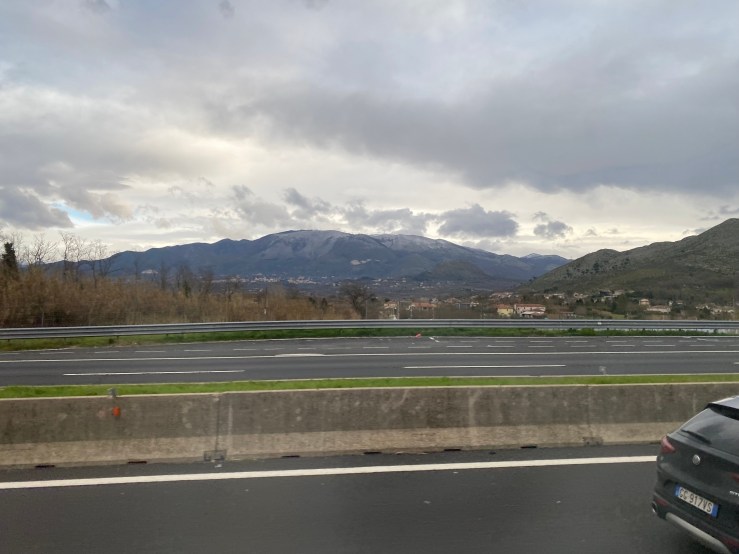
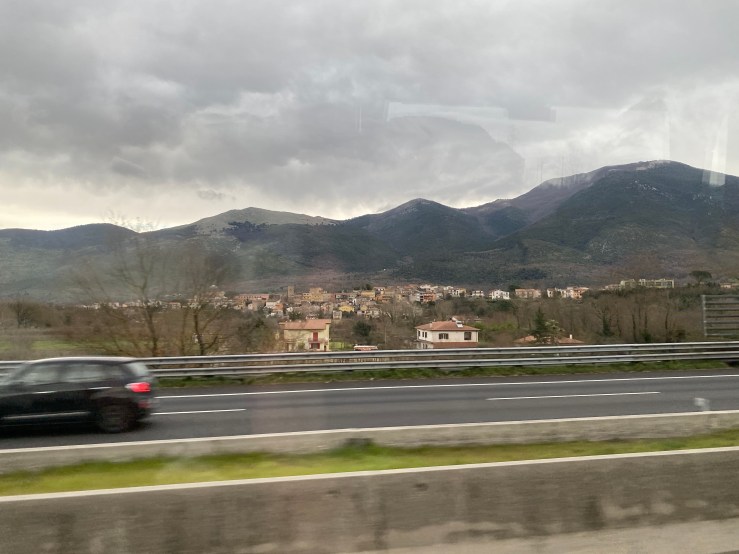
The entire city seemed like one enormous archaeological site, with streets filled with shops catering solely to tourists. I couldn’t help but wonder how the locals make their living in a place like this. Unlike other cities, Rome didn’t feel “alive.” While there were plenty of tourists and staff catering to them, the city felt busy only during certain hours. In the early morning or evening, it felt as though everyone had vanished, leaving me in what felt like a museum after closing hours. This strange sensation prompted me to temporarily step away from Rome. So, on the third day, I booked a guided tour to explore other southern cities in Italy, starting early in the morning and returning to Rome in the evening.
I remember there being about 30 participants on the tour. I had to be at Termini Station by 6:30 AM, and walking through the station so early in the morning was a scary experience. The streets were completely empty, and the few people around seemed like they could snatch my bag at any moment. But I pushed through my fear and arrived at the meeting point.
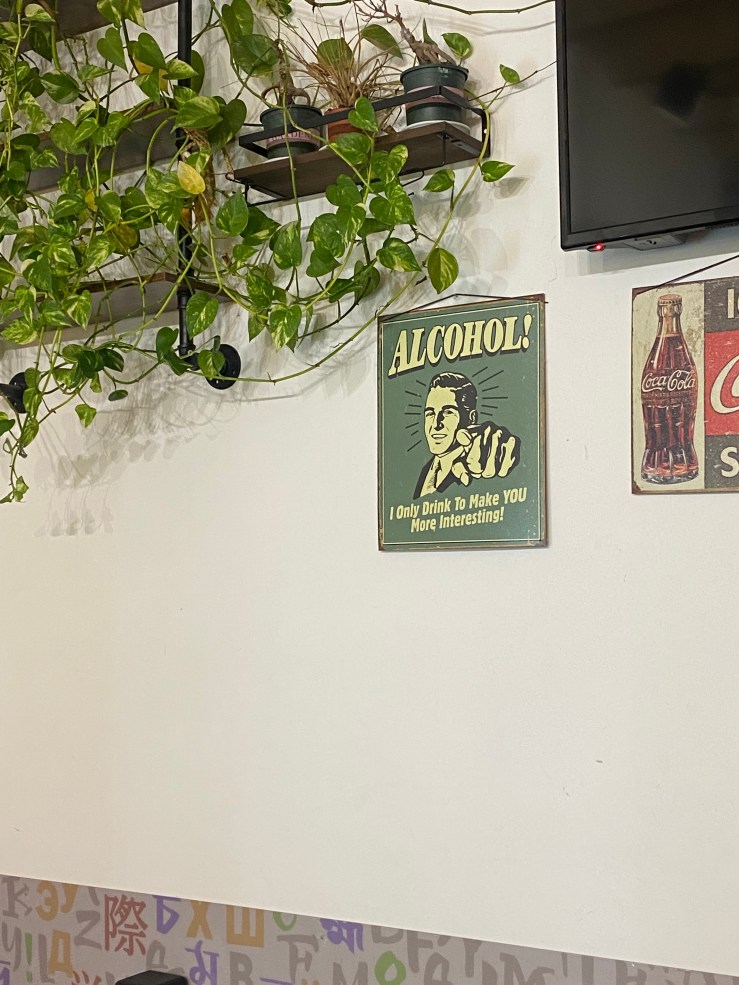
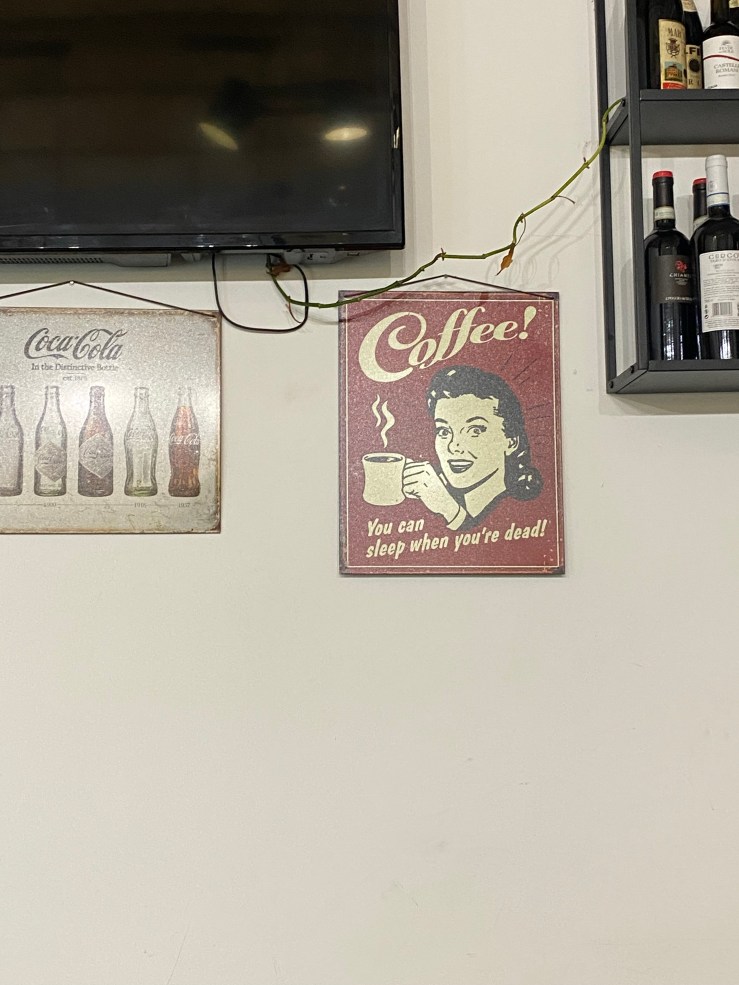
The guide seemed professional and informed us that the bus would be arriving late, giving us about 10 minutes of free time. During that time, I went to a nearby cafe and had a double espresso to wake myself up. The cafe had some funny illustrations on its walls, which I enjoyed—I love dad jokes and light humor like that.
로마에서의 둘째날에 콜로세움, 포로 로마노, 팔라티노 언덕을 보고 짧은 시간 안에 해당 유적지를 완벽하게 이해하려고 노력하다 보니 다음날에도 로마를 투어하고 싶지는 않았다. 궁금증이 잠시 사라졌다고나 할까. 그리고 나의 로마에 대한 첫인상은 다른 도시들을 여행했을 때와 크게 달랐다. 다른 도시들은 자연스럽게 행동 양식을 받아들일 수 있었는데, 나에게 로마는 혼돈에 가까웠다. 수많은 궁금증을 불러일으키는 도시였다. 예를 들면, 로마에서 거주하는 사람들은 어떤 일을 하는가. 도시 전체가 거대한 유적지로 보이고 길을 걷다보면 관광객을 위한 가게들만이 즐비해 보이는데, 이 곳에 거주하는 로컬들은 도대체 어떤 일을 하는가? 이런 궁금증이 생겼다. 로마는 다른 도시들과 달리 살아있다는 느낌이 들지 않았다. 관광객들, 관광객들을 호객하는 직원들은 많이 보였지만 사람이 활동할 수 있는 시간대에만 붐볐고 이른 아침이나 저녁에는 모든 사람들이 썰물처럼 빠져나가 마치 영업 시간이 끝난 박물관 안으로 들어온 듯한 느낌을 받았다. 이 기이한 감각은 나를 잠시 로마에서 벗어나게 하는 선택을 하게 만들었다. 그래서 셋째 날에는 이른 아침부터 이탈리아 다른 남부 도시에 갔다가 저녁에 다시 로마로 돌아오는 남부 가이드 투어를 예약했다.
해당 투어는 약 30명 정도가 참석했던 것으로 기억한다. 아침 6시 30분까지 테르미니 역 근처로 가야 했는데, 진짜 새벽에 테르미니 역을 걷는 것은 꽤 무서운 일이었다. 길에 아무도 없었고, 있어도 당장이라도 나를 불러세워 가방을 훔쳐갈 것 같은 느낌을 받았다. 하지만 이 투어를 포기할 수 없었기에 무서움을 참고 집합 장소로 도착했다. 가이드는 꽤 전문적이어 보였고, 버스가 늦게 도착할 것 같다고 하여 자유시간을 약 10분정도 주었다. 그 시간동안 나는 근처 카페에 가 더블 에스프레소를 마셨다. 잠에서 깨야지 다짐하며.
카페에는 웃긴 그림들이 있었다. 난 저런 개그를 좋아한다. 아재 개그 같은 거
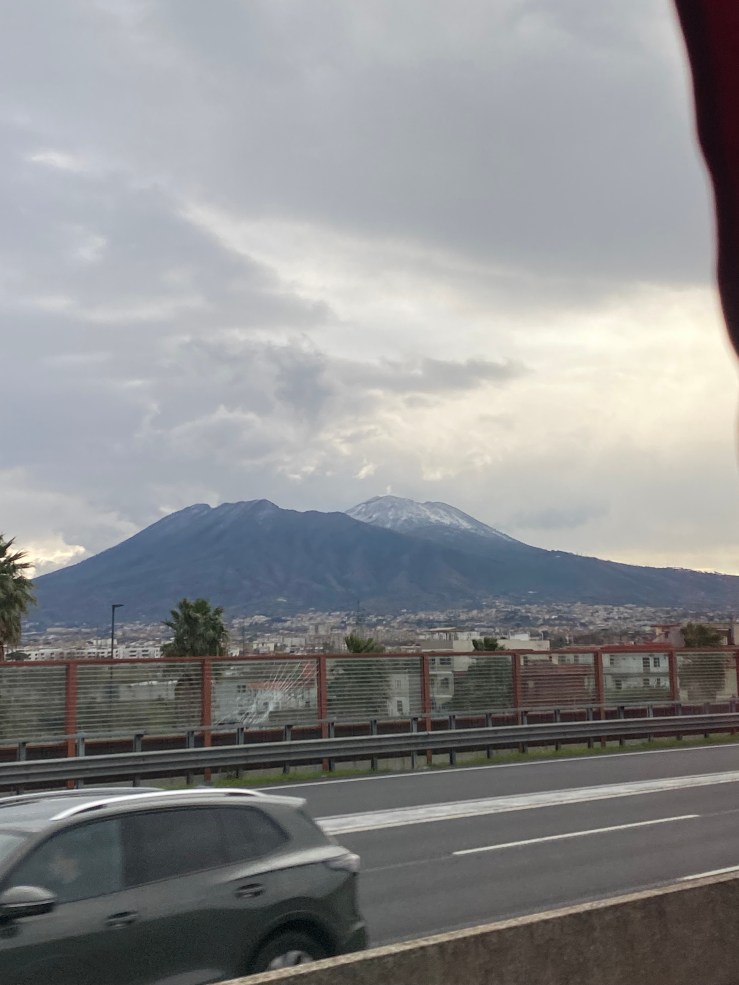
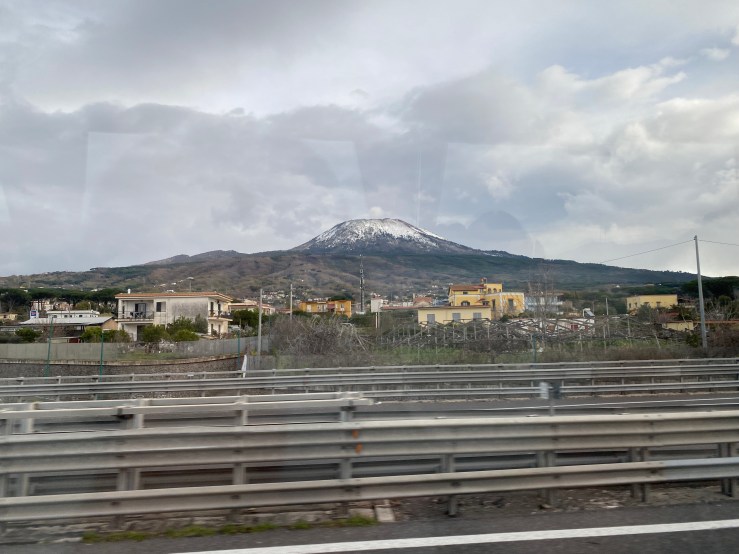
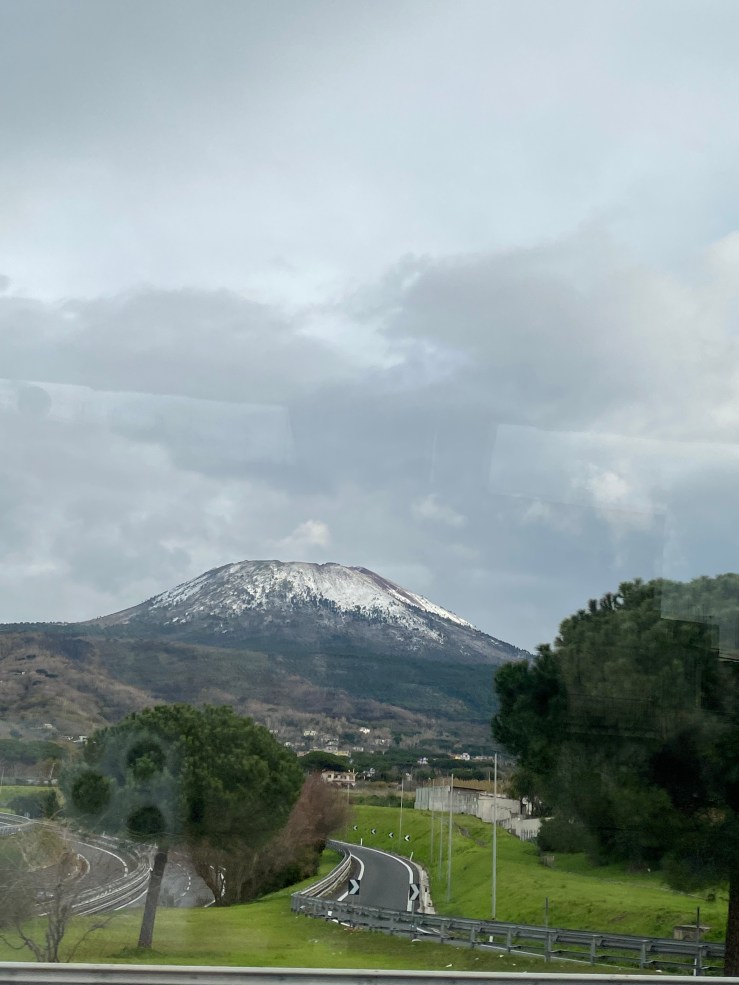
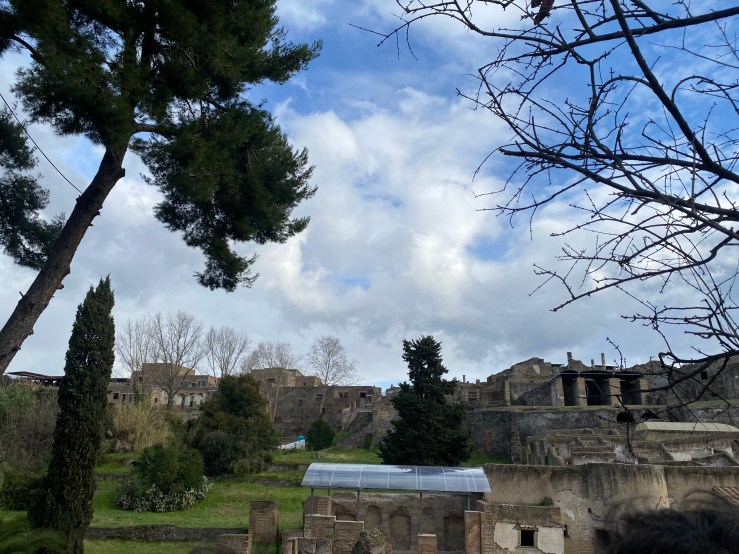
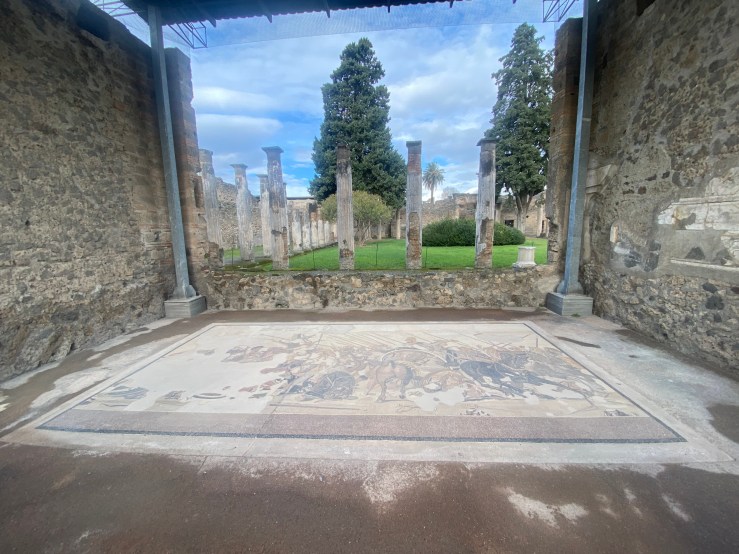
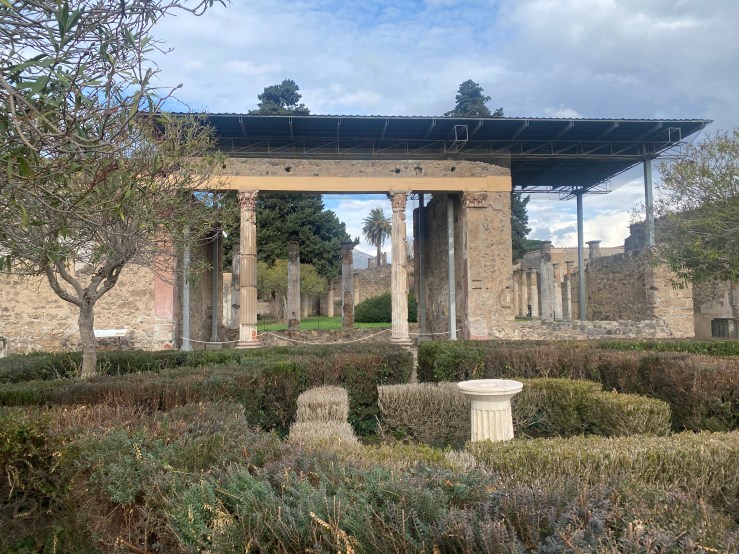
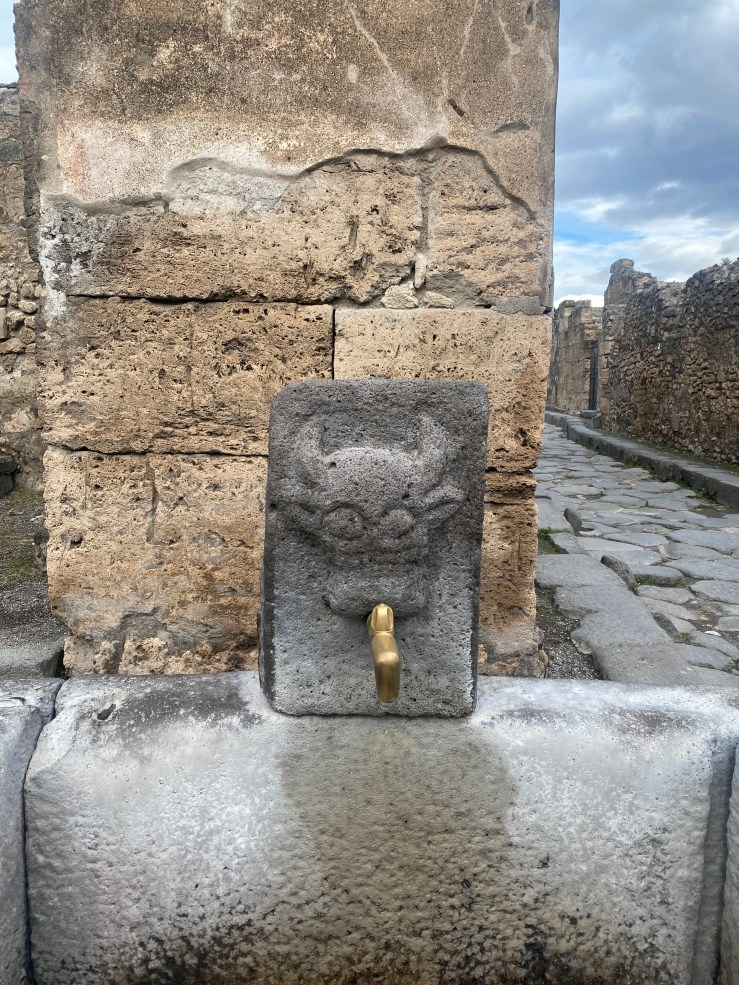
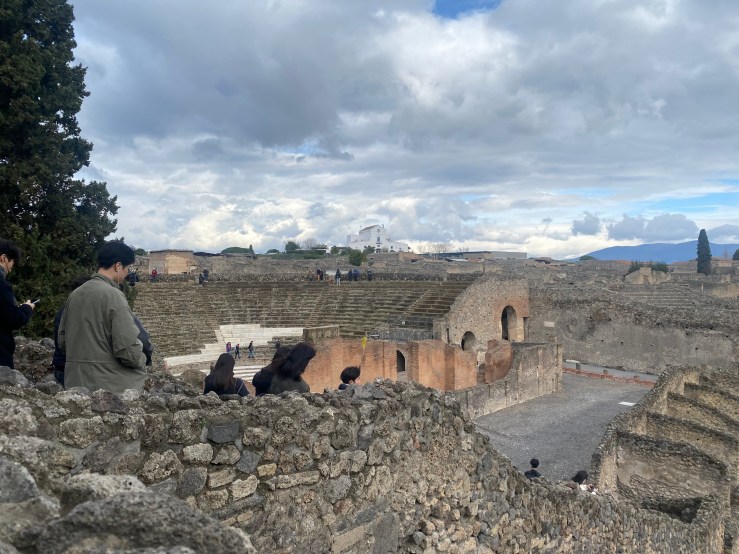
Through Pompeii
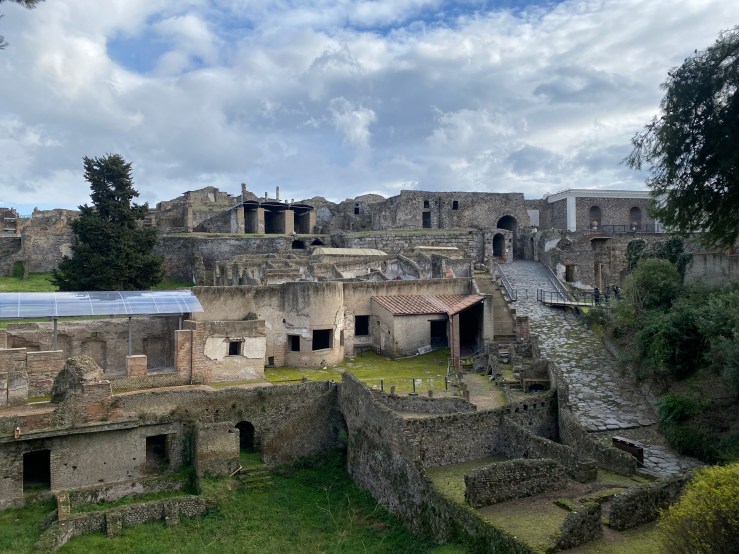
The southern Italy tour I chose included Pompeii and several cities near the Amalfi Coast. It was my first time on a guided tour, and it was incredibly convenient. I didn’t need to think about anything; I just had to listen to the guide’s explanations through the provided headset. Reflecting on the past three tiring days in Paris and the two packed days in Rome, I thought of this tour as a gift to myself—a much-needed break. What made it even better was that the tour was made for Korean tourists, so I didn’t have to mentally translate anything into Korean.
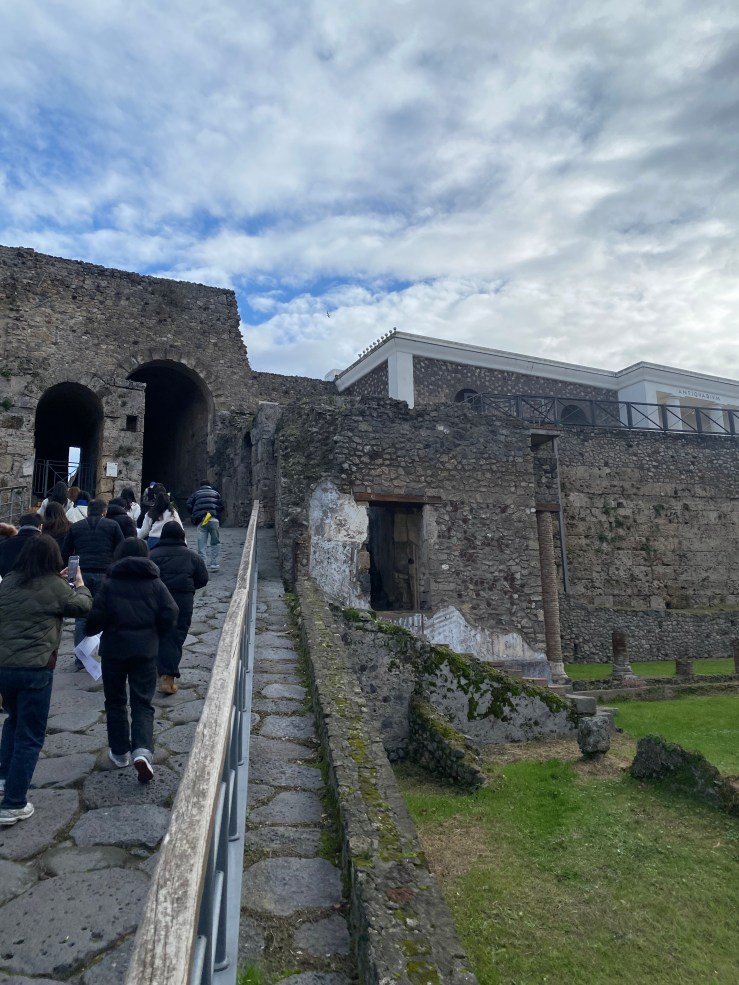
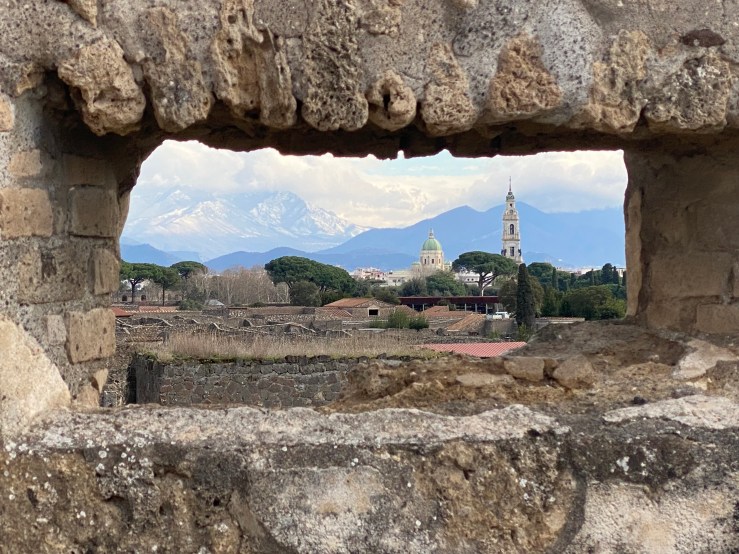
After about 1.5 to 2 hours on the bus, we arrived in Pompeii. I had always heard about Pompeii but never imagined I’d have the chance to visit it. Even when I was traveling from New York to Paris and then to Rome, I didn’t expect to find myself in Pompeii. The excitement was overwhelming. But thinking about how thousands of people had lost their lives here due to the volcanic eruption, I couldn’t help but feel somber.
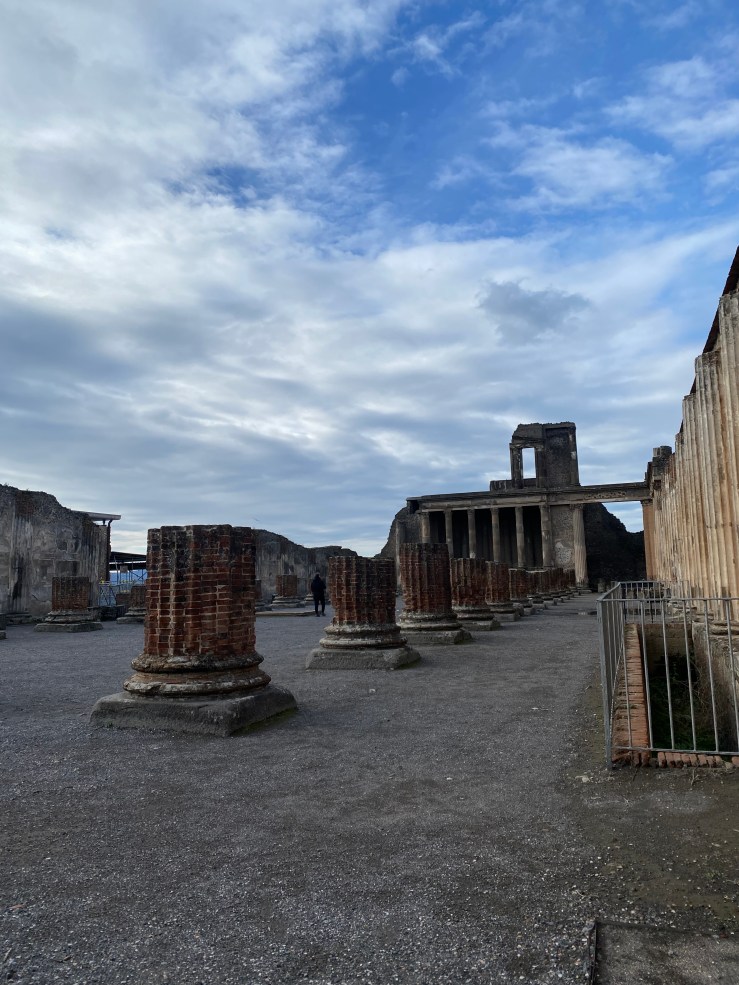
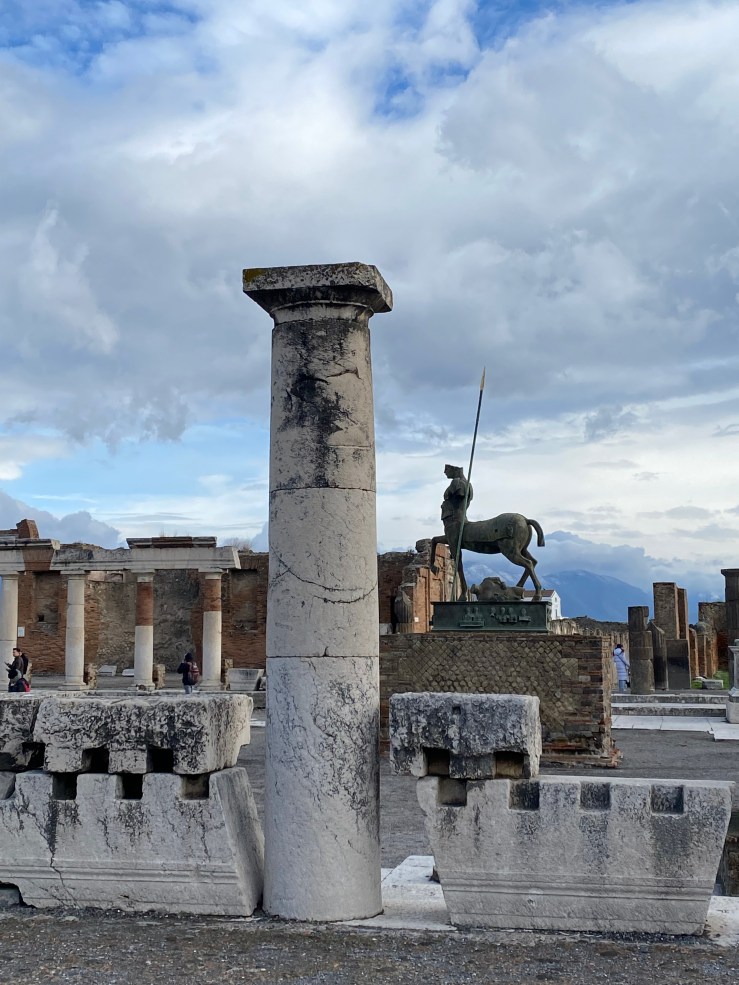
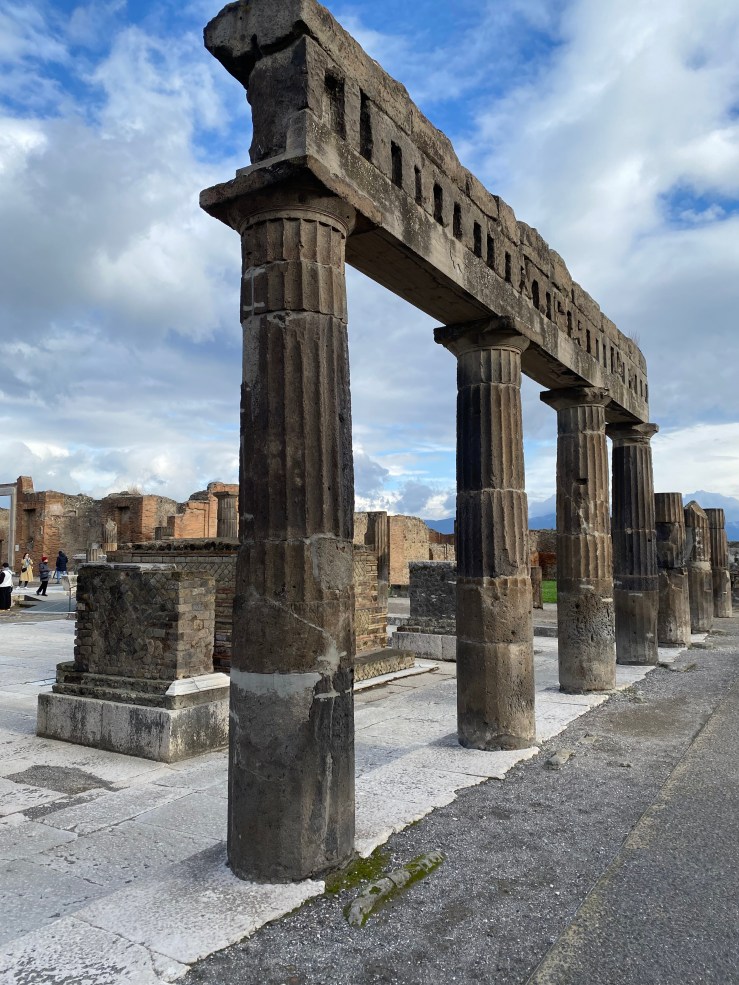
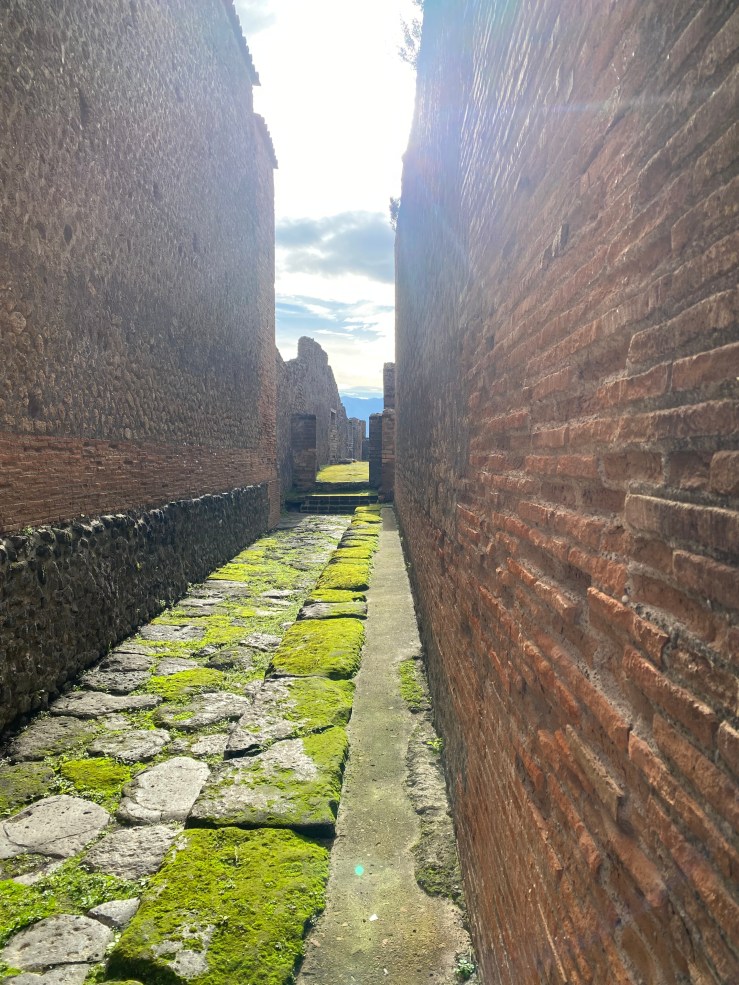
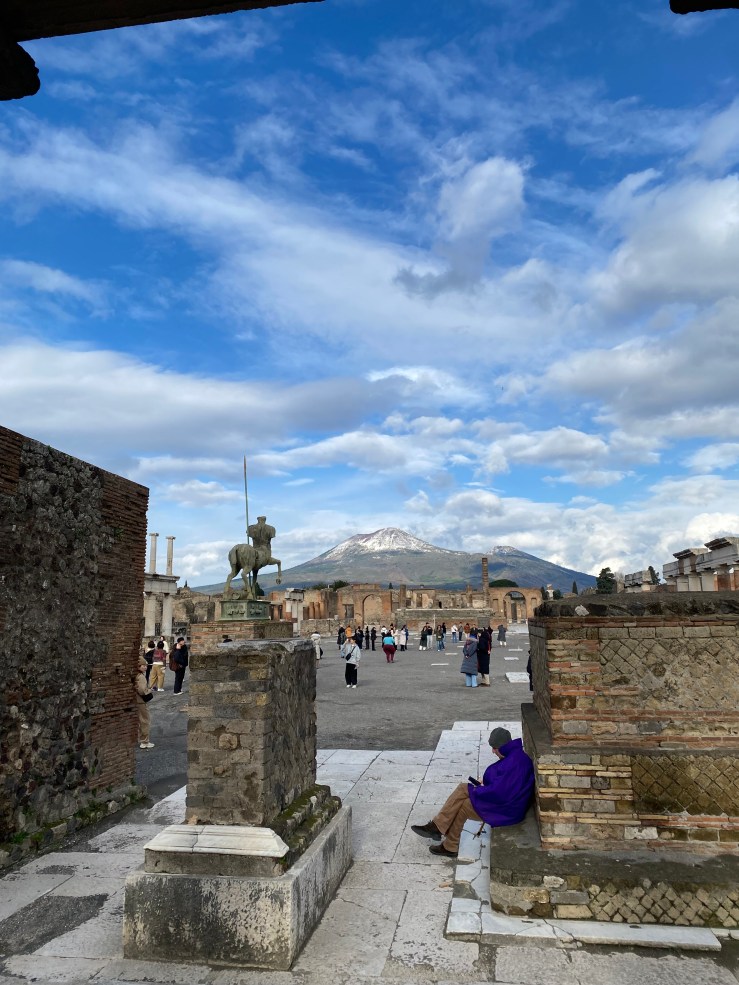
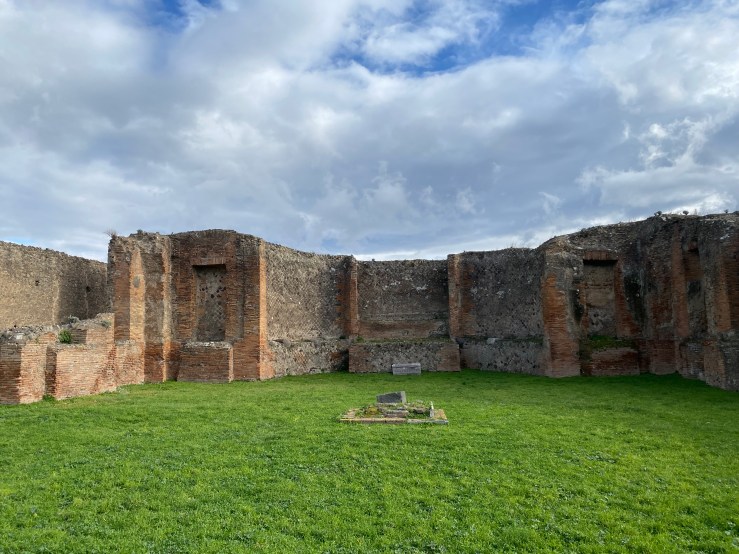
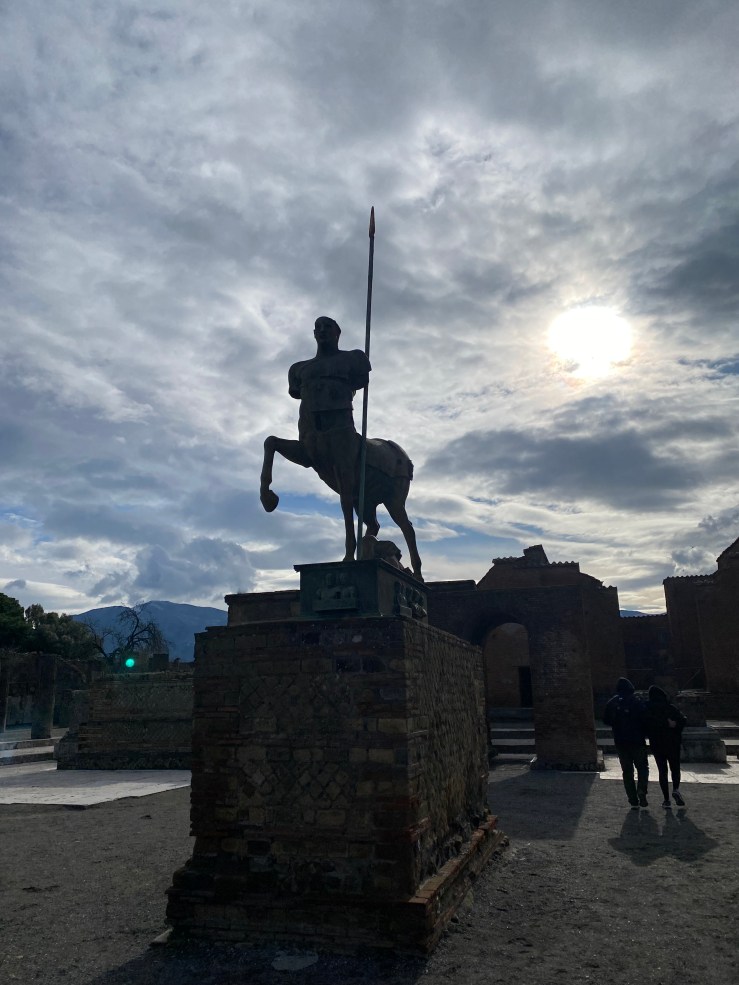
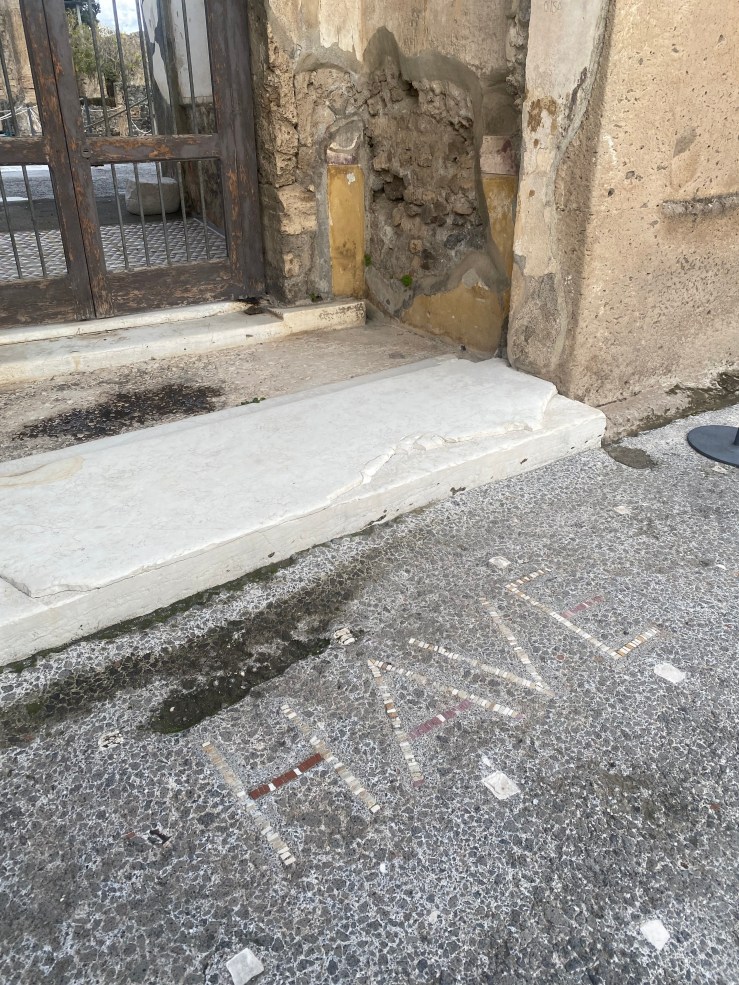
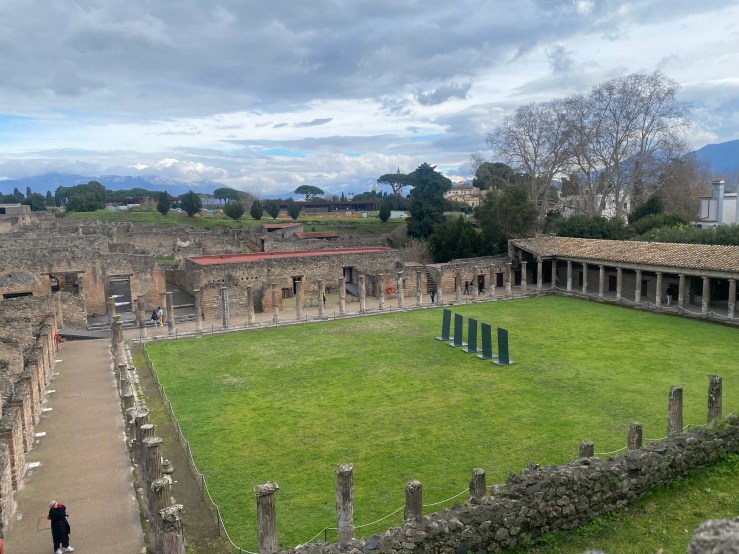
The guide distributed headsets and took us through various parts of Pompeii, explaining its history along the way. He pointed out how the volcanic ash preserved the city so well, showed us the baths, a nobleman’s house, bakeries, cafes, and even the training grounds for gladiators.
Seeing a city that was built in the 7th or 6th century BCE left me with indescribable feelings. It was from a distant past, yet its way of life felt oddly relatable. It was simultaneously far and near, old yet new, familiar yet unfamiliar.
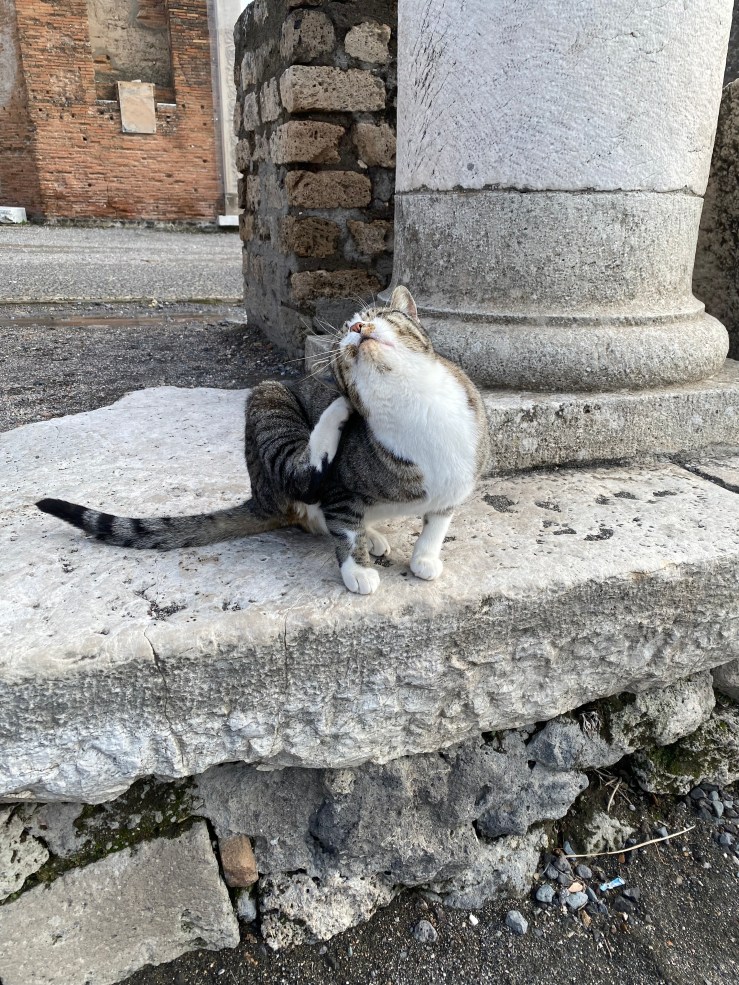
And in Pompeii, I saw a cat. Hey, are you from the past?
내가 선택한 남부투어는 로마에서 폼페이로 이동하고, 폼페이에서 아말피 해안에 근접한 도시들로 이동하는 투어 프로그램이었다. 가이드 투어 이때 처음 해보는거였는데, 어찌나 편한지… 난 아무것도 생각할 필요 없이 가이드의 음성에 내 귀만 맡기면 되어 편안했다. 파리에서의 지난 3일, 로마에서의 지난 2일을 생각하며 나는 이 투어가 나 자신에게 주는 선물과도 같다고 생각했다. 더군다나, 한국 관광객을 타겟으로 한 가이드투어였어서 머릿속에서 영어를 한국어로 다시 바꾸는 일을 진행하지 않아도 되어 좋았다.
약 1시간 30분 – 2시간 정도 버스를 타니 폼페이에 도착했다. 폼페이를 말로만 들었지 실제로 와볼 기회가 있을 거라곤 생각을 하지 못했다. 심지어 뉴욕에서 파리로, 파리에서 로마로 이동했을 때에도 난 내가 폼페이에 올지 몰랐으니 흥분만이 가득했다. 그러나 여기서 몇천명이 화산활동에 의해 죽어갔다고 생각하니 숙연해 지는 건 어쩔 수 없었다.
가이드는 사람들에게 수신기를 나누어준 후 폼페이의 곳곳을 누비며 이 곳의 역사에 대해 설명했다. 화산재 때문에 보존 상태가 좋다고 설명하고, 목욕탕과 특정 귀족의 집을 보여주고, 빵을 만들었던 곳을 보여주고, 카페를 보여주고, 검투사들을 양성하는 훈련 공간도 보여주었다.
2000년도 훨씬 전의, 기원전 7~6 세기 경 건설된 도시의 면면을 보니 알 수 없는 이상한 기분이 들었다. 아득한 옛날인데, 이렇게 현대인들도 이해할 수 있는 생활상을 가지고 있다는게… 멀면서도 가까운, 가까우면서도 먼, 오래 된 것 같으면서도 그렇지 않은, 새로워 보이지만 오래된,
그리고 폼페이 안에서 고양이를 봤다. Hey, Are you from the past?
To the Amalfi Coast
After a 1.5-hour tour of Pompeii and a quick lunch, we took the bus again to head toward the Amalfi Coast. During the drive, the guide gave a detailed explanation of Italy as a whole. I found these information about the country more interesting than the ruins themselves—maybe that’s just my modern sensibility.
The guide explained the ongoing tension between southern and northern Italy. He mentioned how the two regions are so divided that the high-speed rail system doesn’t directly connect them. If someone wants to travel from the south to the north (or vice versa), they have to switch trains in the middle. While Korea has its own regional tensions between Jeolla and Gyeongsang provinces, it has never reached the point of affecting railway infrastructure.
The guide also talked about how football matches between northern and southern teams sometimes lead to violent clashes. He explained that the roots of the divide lay in the industrial development era when the south was heavily taxed on its agricultural products, and the revenue was used to support northern regions, leading to stark economic disparities. The differences between the two regions extend to wages, economic conditions, and even dialects. I found this newfound understanding of Italy fascinating.
This discussion sparked a cascade of questions in my mind: If regional conflicts are so intense, do specific regions ever push for independence? Do Italians feel patriotic about their country, or do they hold stronger pride in their region? Since Italy wasn’t originally a unified country, each city must have its own identity—do people identify more with their city than with their nation? If that’s true, how does political activity happen in Italy? Do people engage in politics with a regional perspective? If regional identity influences politics, how are public resources allocated efficiently on a national scale? And what about Italy’s youth? With such high youth unemployment rates, how are they responding to these challenges?
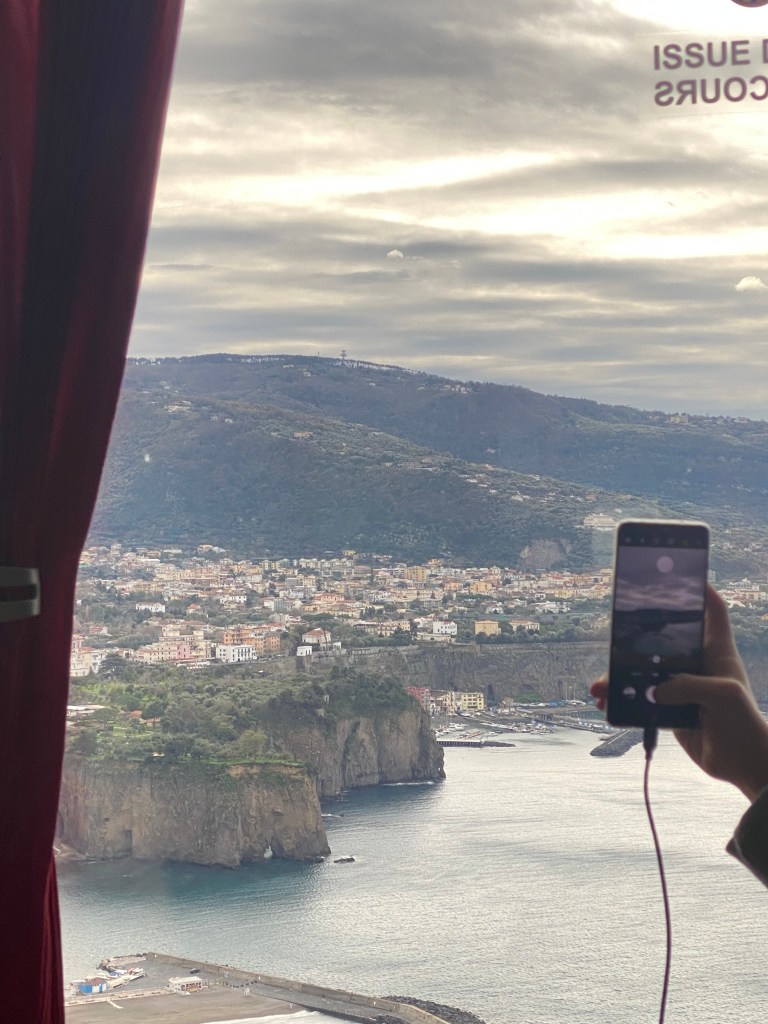
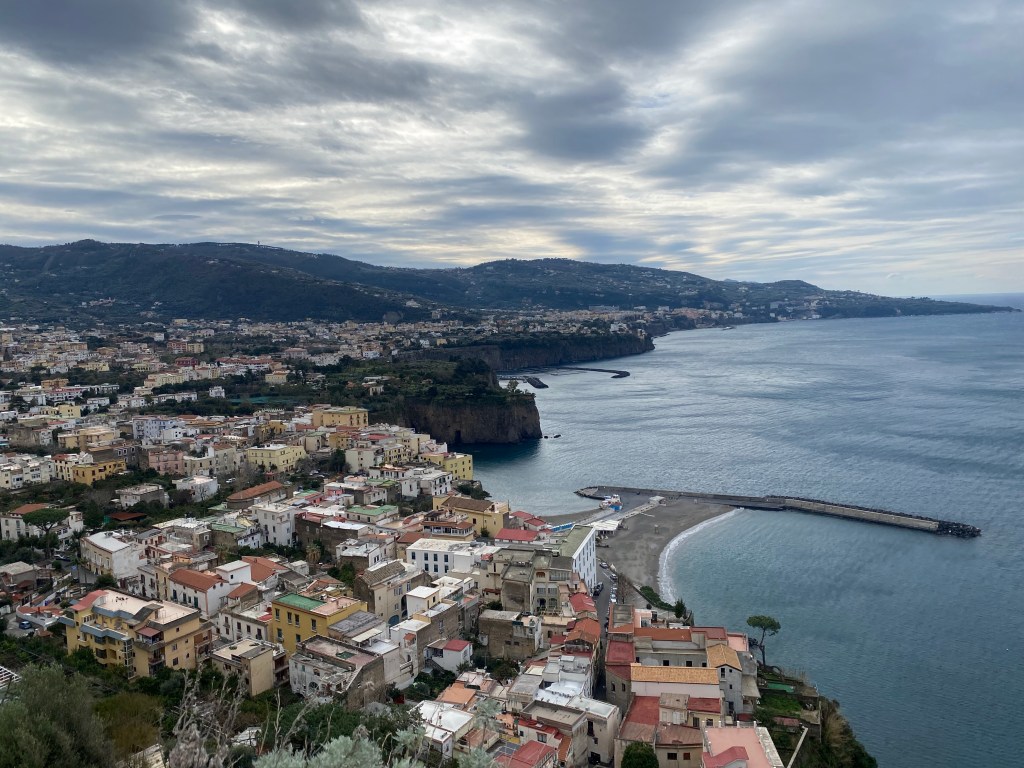
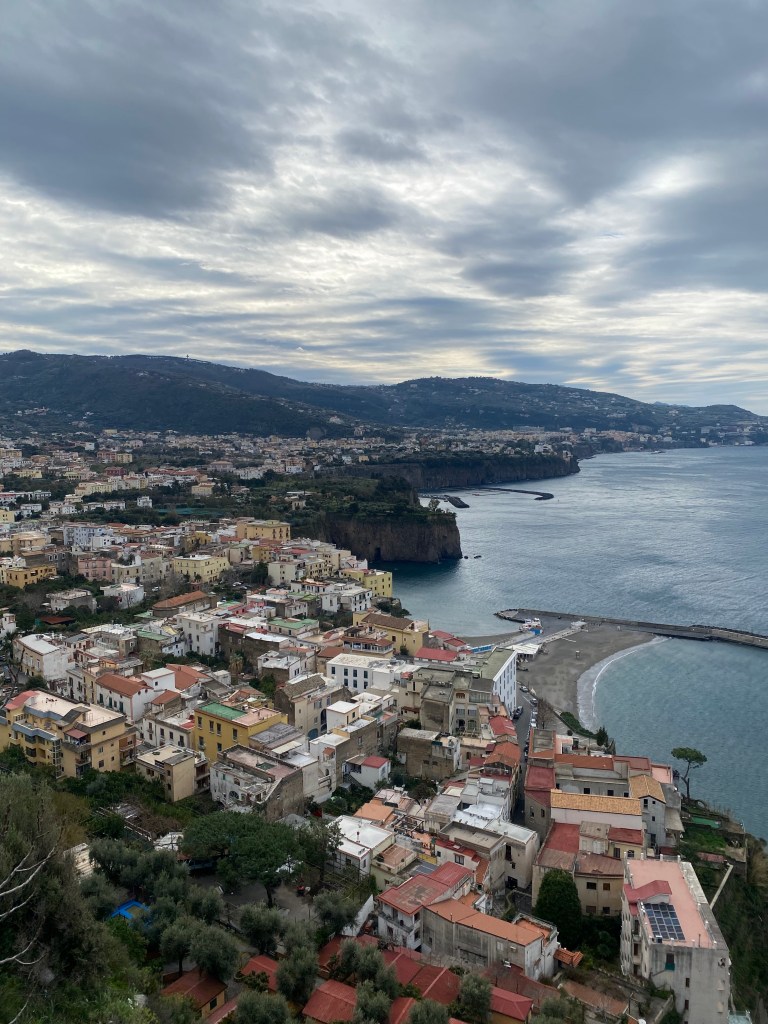
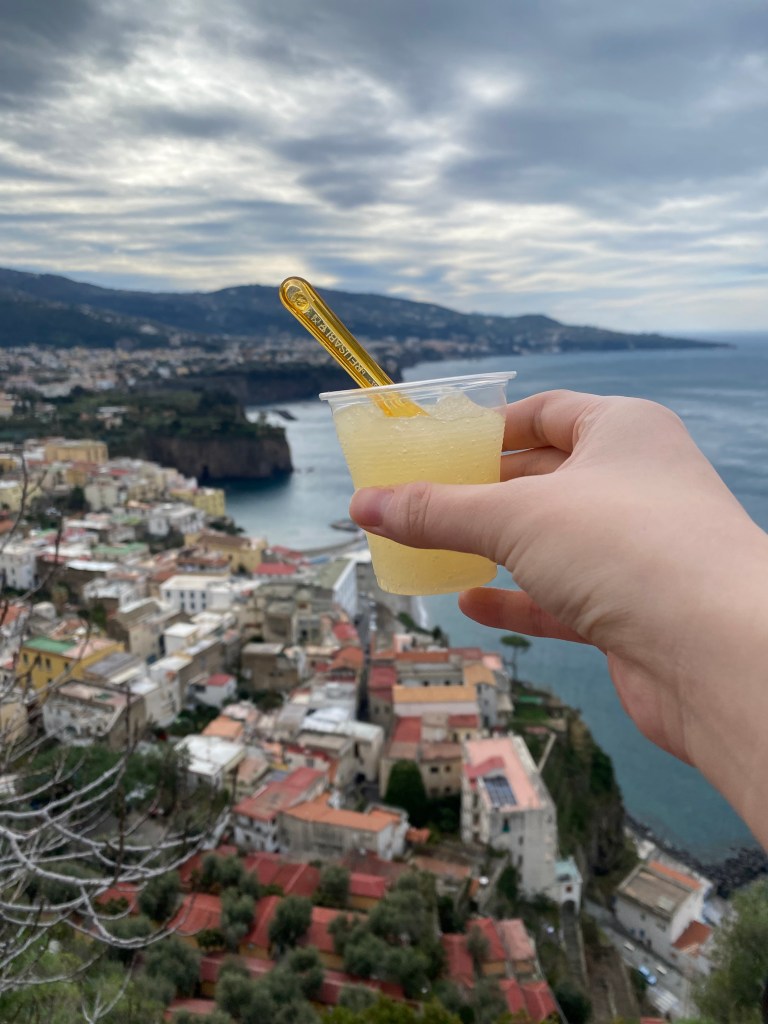
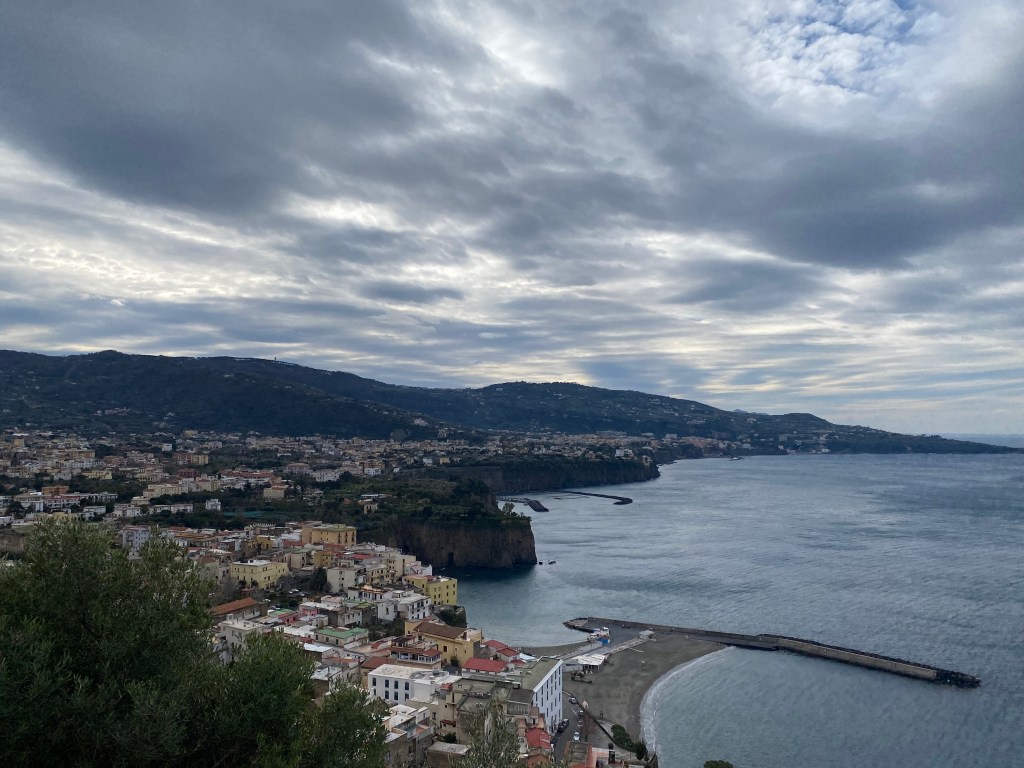
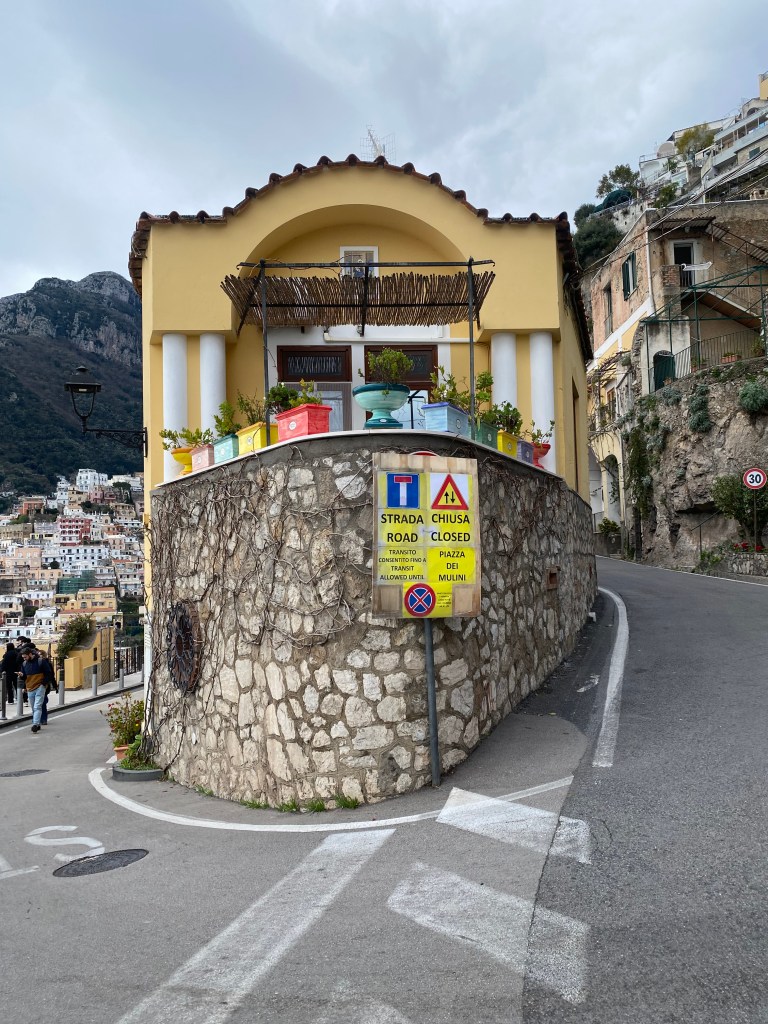
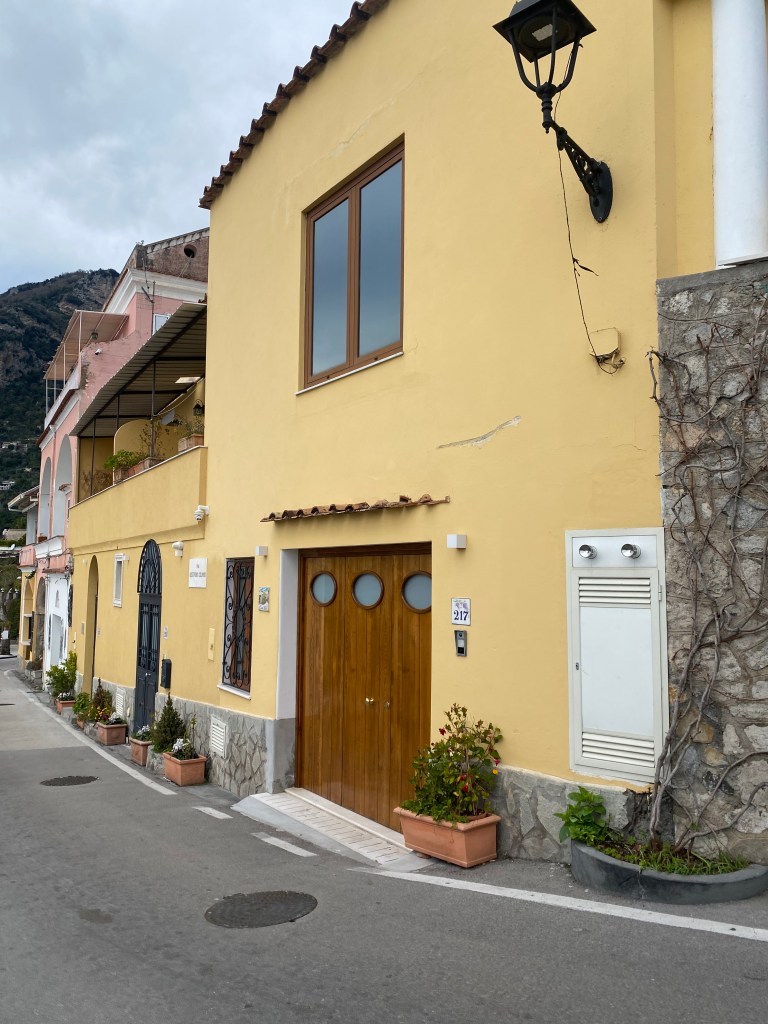
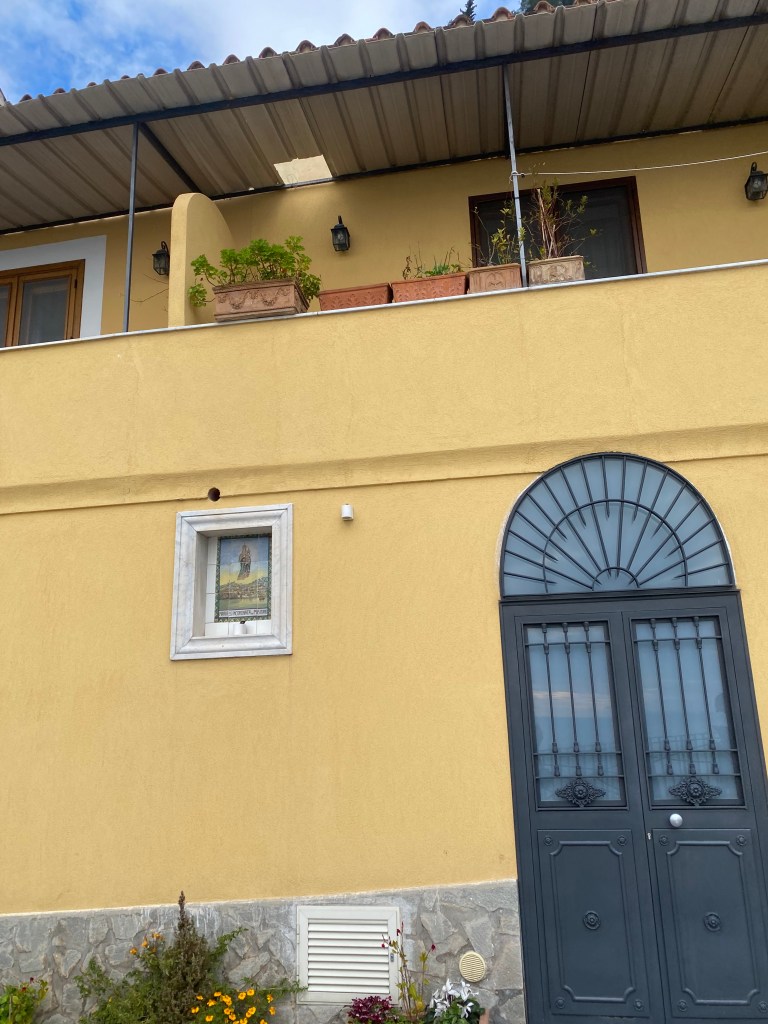
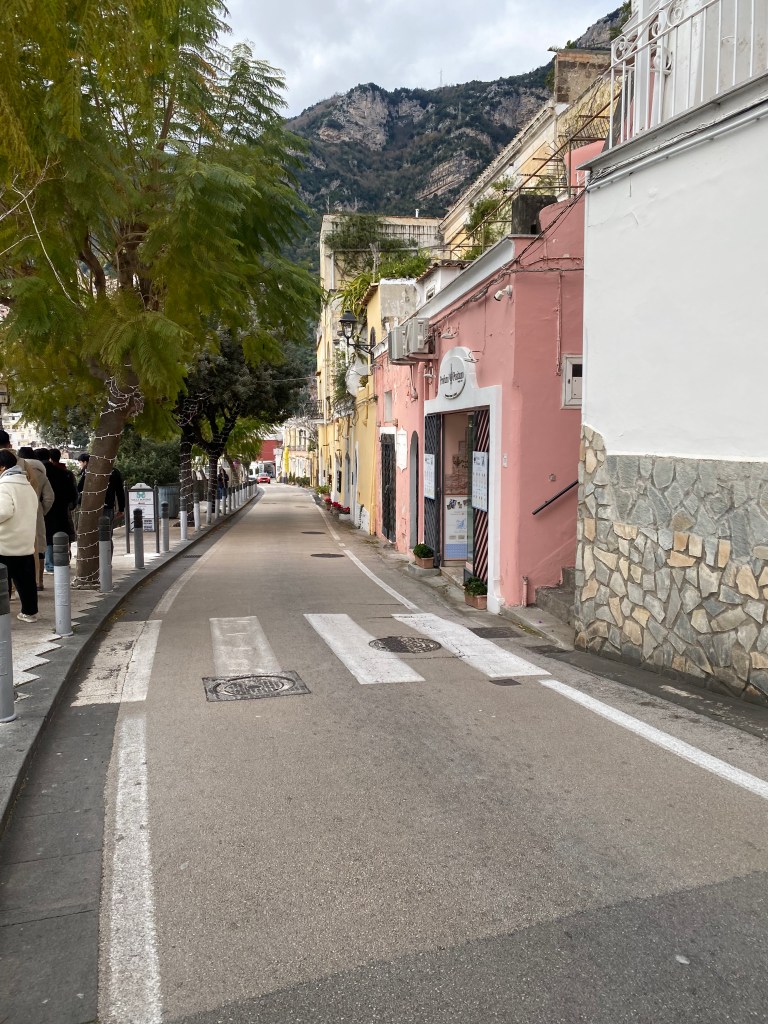
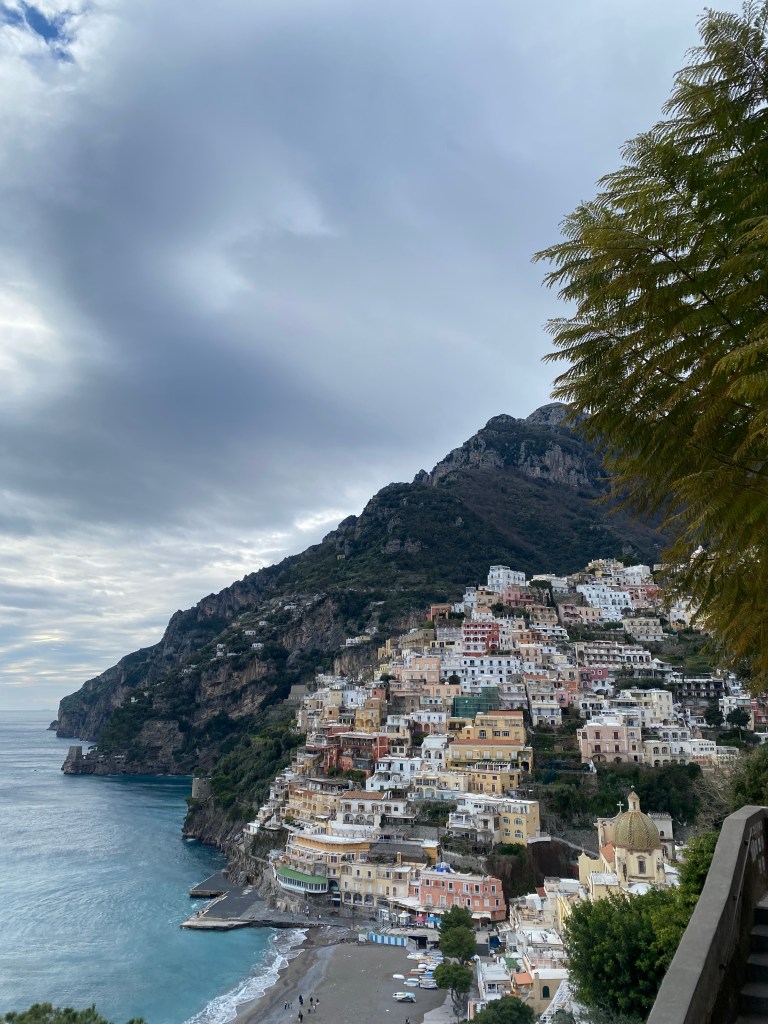
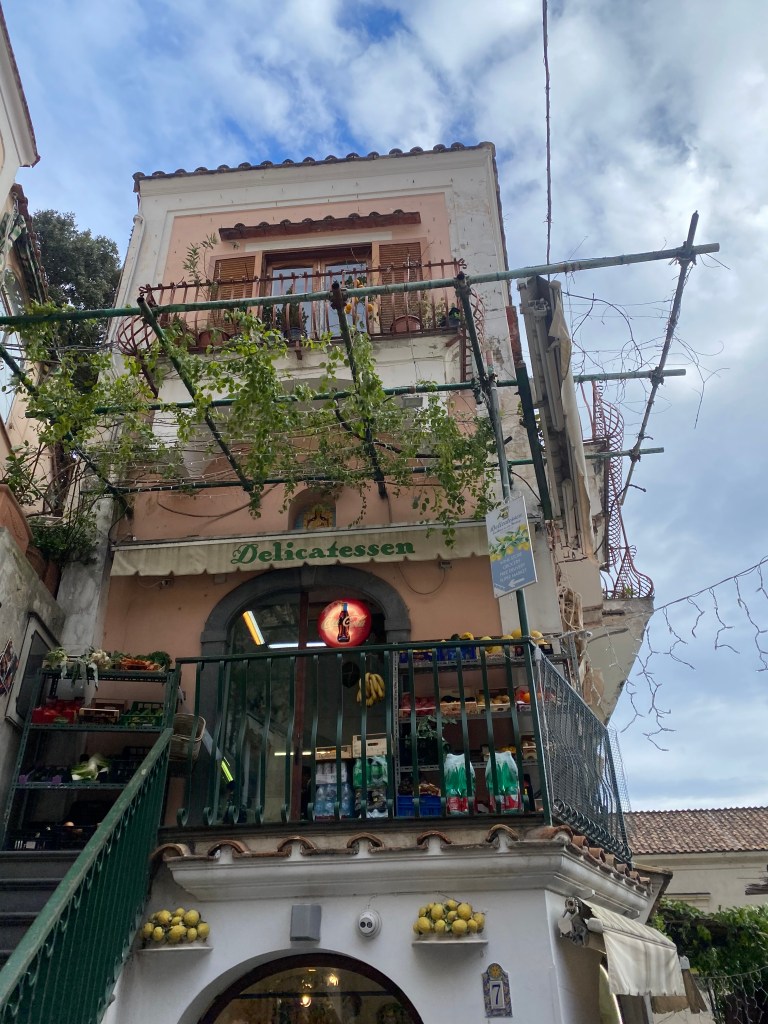
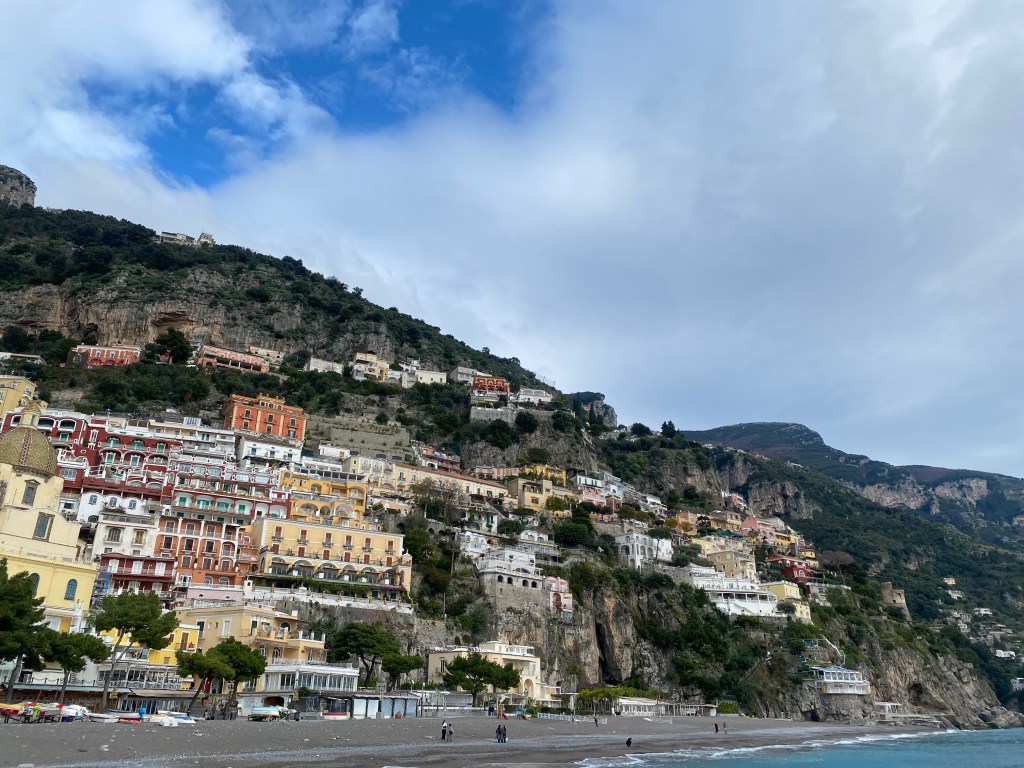
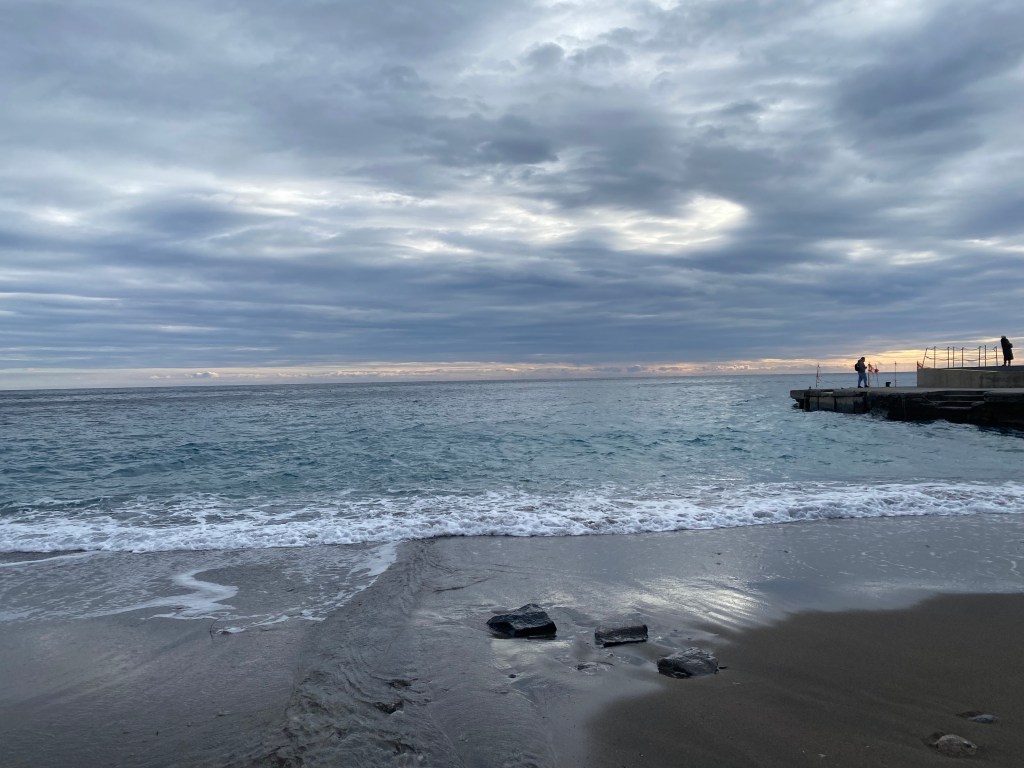
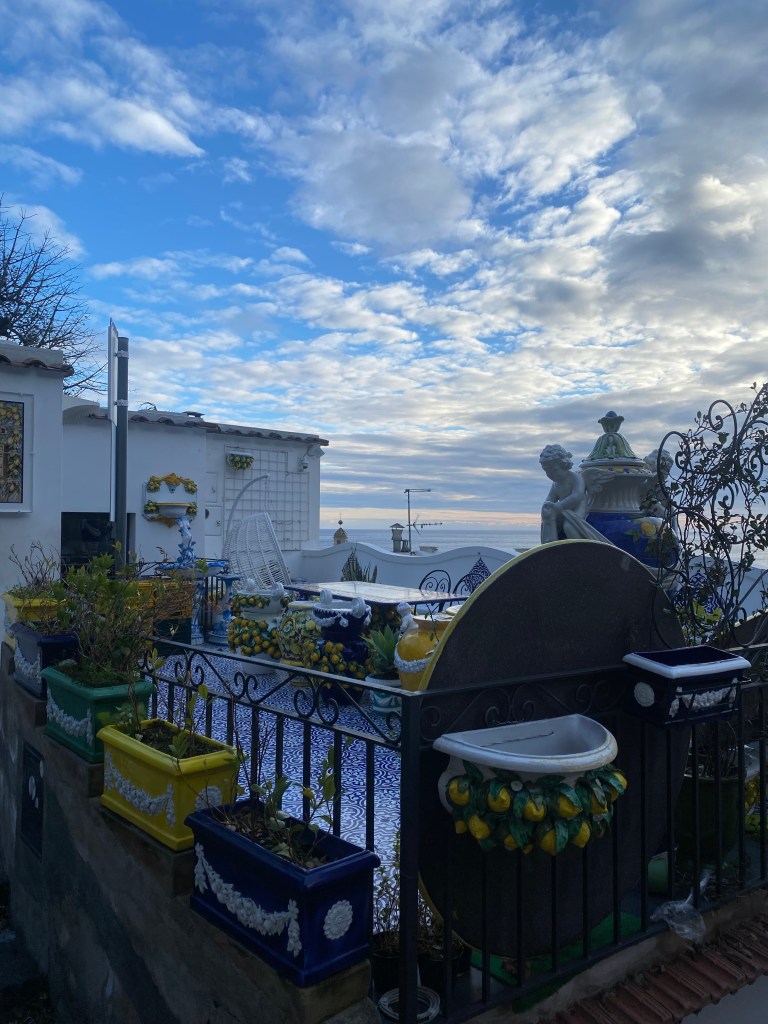
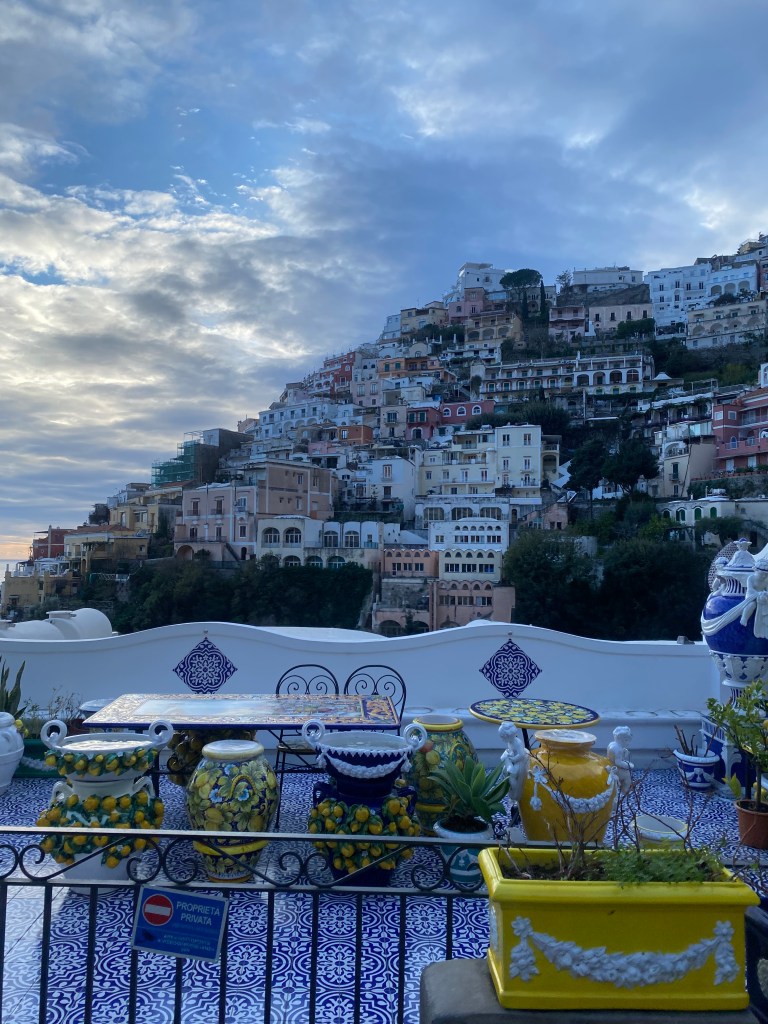
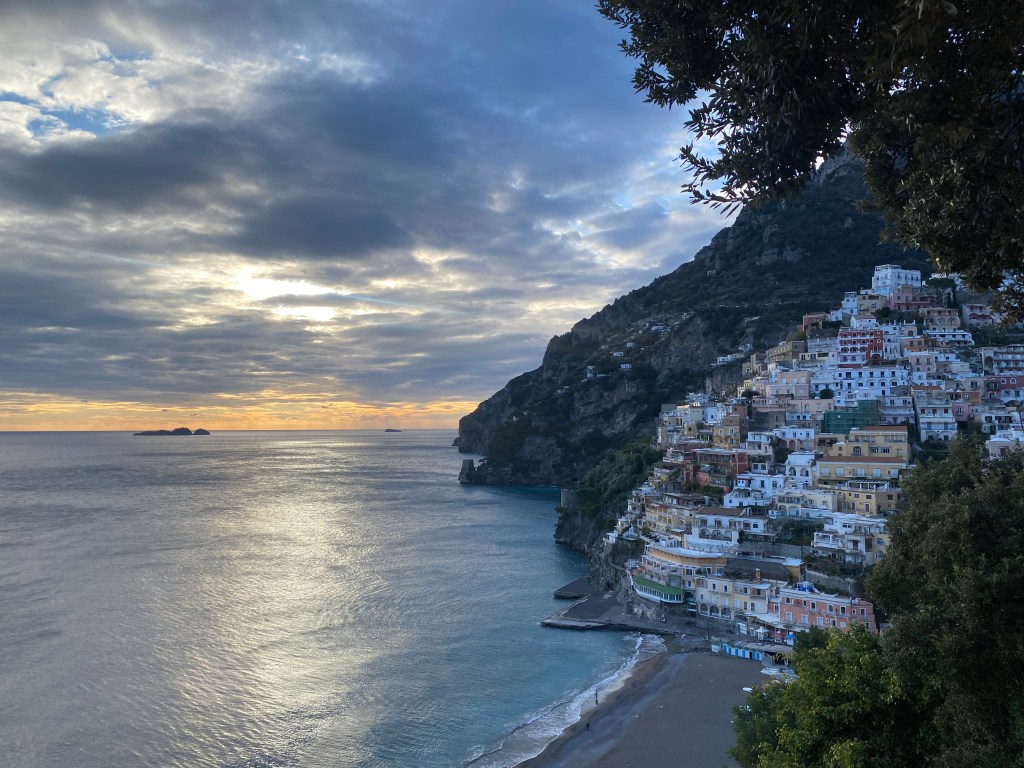
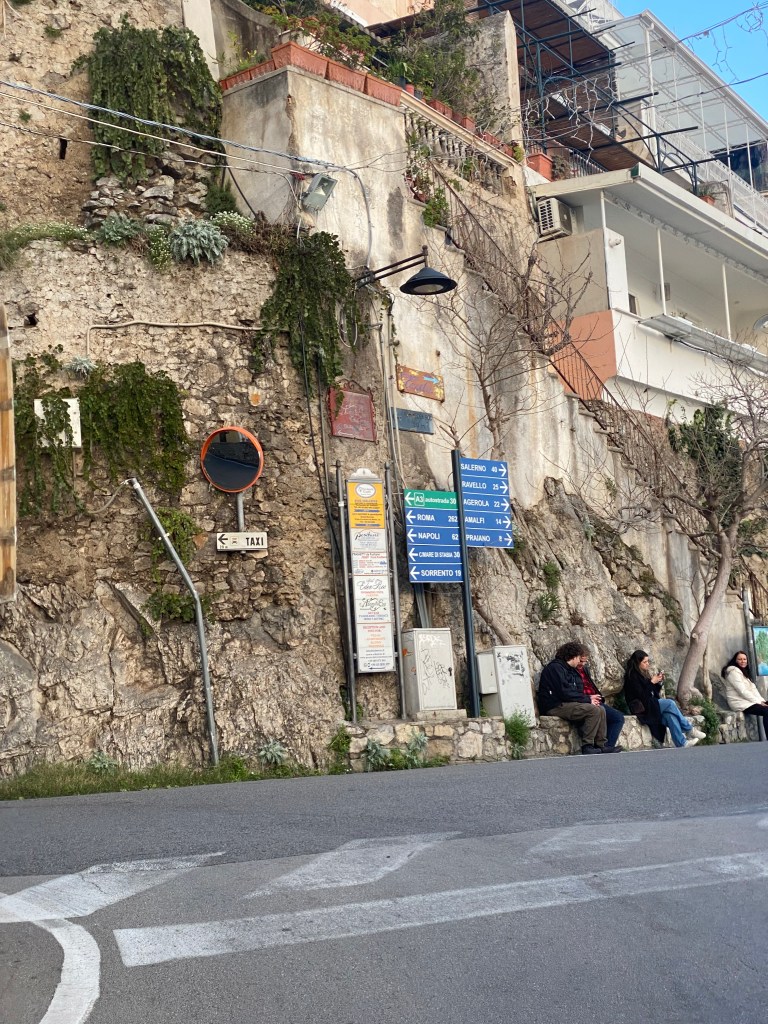
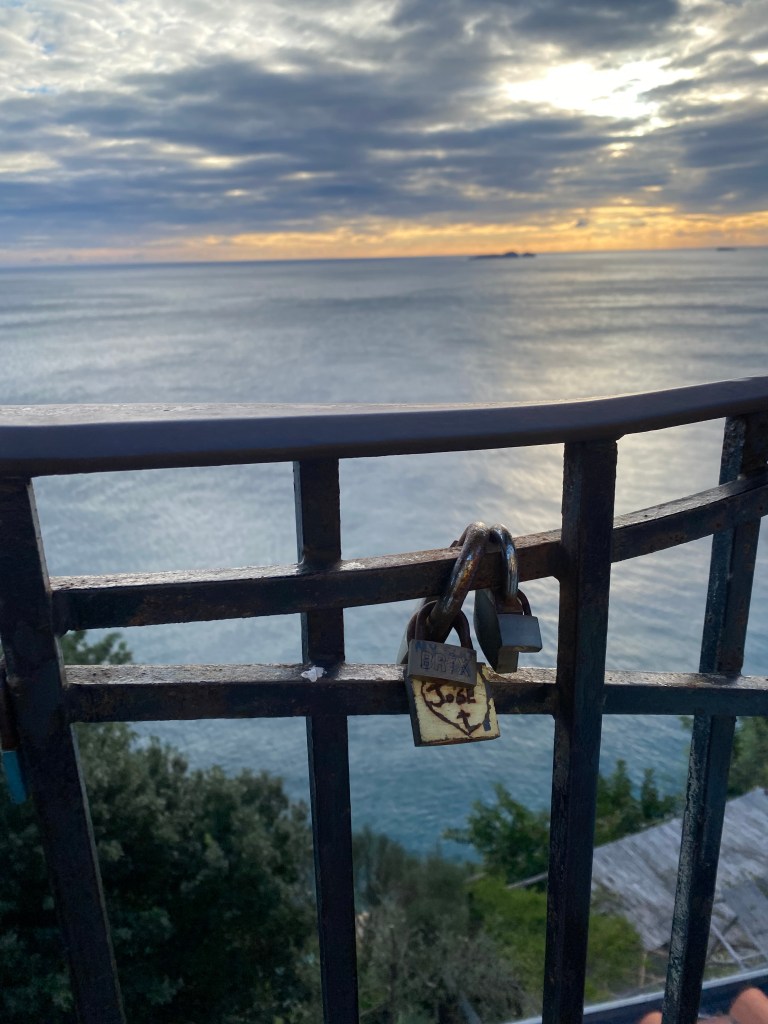
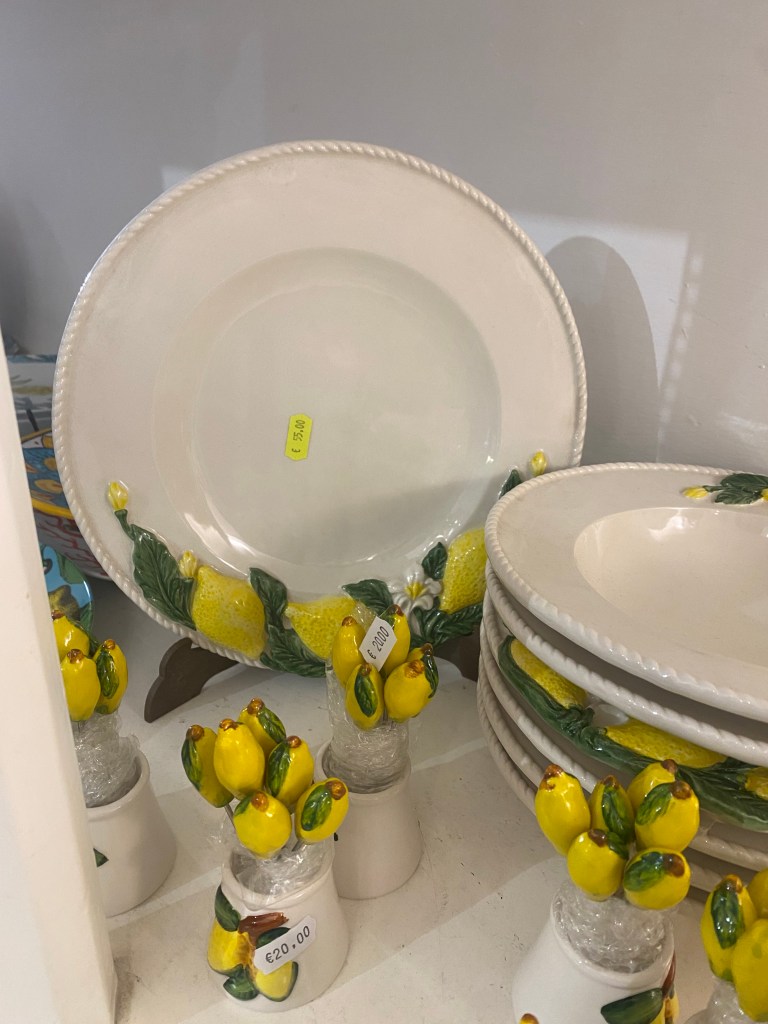
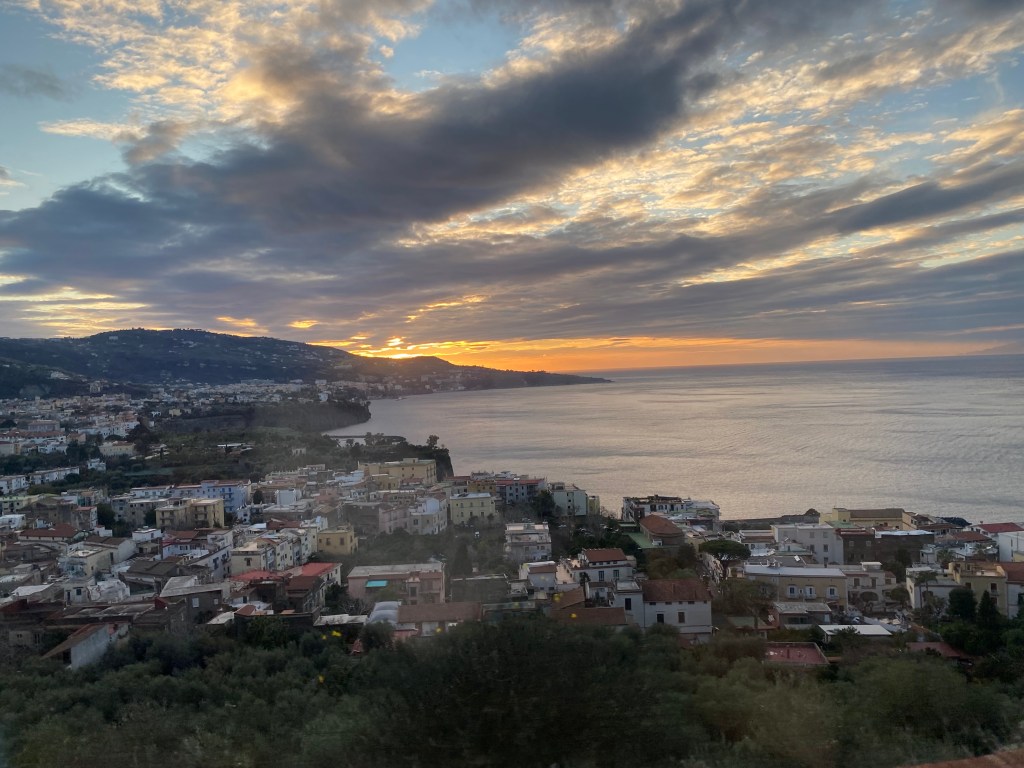
Lost in these thoughts, I arrived in Sorrento and Positano. Looking at the cliffs carved into the coastline, my curiosity shifted toward the Amalfi Coast: How do people live in a place like this? Do those living at the very top of the cliffs walk all the way down every day? How do they prepare for natural disasters? What do people who aren’t in the tourism industry do for a living? During the off-season, what do shopkeepers do? Is yellow the favorite color of Positano’s residents?
While walking along the coast, a young Korean woman from the tour group approached me and asked me to take her picture. She also suggested exploring Positano together, and I happily agreed. She was 22, afraid of pigeons, yet diligently took pictures of them—a cute contradiction.
I believe it was around 8:30 PM when we returned to Rome. I made plans with the young woman to visit a museum and have dinner together the next day before heading back to my hotel to sleep. Despite the tour being on a bus, being out for over 12 hours had left me completely drained.
The next morning, I woke up at 5:30 AM for my pre-booked Vatican tour, not having had enough rest.
폼페이에서의 약 1시간 30분 정도의 투어, 그리고 짧은 점심식사를 마치고 우리는 아말피 해안으로 이동하는 버스에 다시 몸을 맡겼다. 이 버스에서 가이드는 이탈리아에 대해 전반적인 설명을 해주었다. 난 유적지를 보는 것보다 이탈리아에 대한 tmi를 듣는 것이 더욱 재미있었다. 현대인이라 어쩔 수 없나보다. 가이드는 남부와 북부의 지역갈등에 대해 설명했다. 얼마나 지역 갈등이 심한지, 고속 철도가 북부와 남부 사이에 한번에 연결되지 않아 북부에서 남부로, 혹은 남부에서 북부로 이동하려고 하면 중간에 기차를 갈아타야 한다고 한다. 한국도 전라도와 경상도 사이에 지역갈등이 심한데 철도를 놓냐, 안놓냐 할 정도로의 갈등은 아니다. 게다가 축구 경기에서도 실제로 남부와 북부 도시 구단 사이에 축구 결과에 따라 유혈사태가 발생할 수 있다는 말을 해 주었고, 두 지역의 갈등은 산업 발전 시기에 남부의 농산물에 엄청난 세금을 매기고 북부에 남부에서 걷은 세금을 바탕으로 지원을 해주어 지역의 경제적 격차가 심해진 것이 원인 중 하나라고 설명해 주었다. 실제로 두 지역 간 임금 격차나 경제적 차이, 심지어 쓰는 말까지 차이가 있다는 식으로 설명해 주셨는데 이탈리아에 대해 전혀 모르던 것을 알게 되어 유익한 시간이었다.
이야기를 들으면서 이탈리아라는 나라에 대해 여러 가지 궁금증을 갖게 되었다. 이렇게 지역갈등이 심할 정도면 특정 지역들끼리 모여 독립을 주장할 것 같은데, 그렇지 않을까? 이탈리아 사람들은 자기 나라에 대한 애국심을 가지고 있을까 아니면 자기 지역에 대한 자긍심을 가지고 있을까? 원래부터 이탈리아는 한 나라가 아니었으니 도시마다 정체성이 다를 거고, 그럼 그 도시에 태어난 사람들은 자기 정체성을 국가가 아니라 도시에 두고 있을 것 같은데 내 예상이 맞을까? 만약 이탈리아 사람들이 자신의 정체성을 지역에 두고 있다면, 정치적인 활동은 어떻게 해서 발생하는가? 이탈리아 국민들은 어떤 사고방식과 지향점을 가지고 정치활동에 참여하는가? 지역적 정체성을 가지고 정치활동에 참여한다면, 대규모 국가 프로젝트에 따른 공공 자원 배분에 대한 갈등이 지역간 발생할텐데 어떻게 효율적으로 해결책을 찾는가? 이탈리아의 청년 실업률은 매우 높다고 들었는데, 청년들은 이런 실업률에 대해 어떤 식으로 대응하는가? 라는 질문이 꼬리의 꼬리를 물고 이어졌다.
그러다가 소렌토, 포지타노에 도착했는데, 해안가를 보면서 이탈리아에 대한 궁금증은 아말피 해안 도시에 대한 질문으로 변경되었다. 이렇게 절벽을 깎아 만든 곳에서 사람들은 어떻게 살아가는가. 맨 꼭대기에 사는 사람들은 매일 끝에서 끝까지 걷는건가. 자연재해는 어떻게 대비하는가. 이 지역에서 관광업이 차지하는 비중은 어떻게 되는가. 관광업에 종사하지 않는 사람들은 어떤 일을 하며 살아가는가. 관광 비수기에 가게 문을 걸어잠근 포지타노 사람들은 어떤 일을 하며 비수기를 보내는가. 포지타노 사람들이 가장 좋아하는 컬러는 노란색인가. 이런저런 생각을 하며 해안가를 걷다가 같이 투어 버스를 탔던 사람 중 어린 한국인 여학생이 다가와 사진을 찍어달라고 부탁하고, 같이 포지타노를 돌아다니자고 제안했다. 기쁘게 받아들였다. 22살인 그녀는 비둘기를 무서워했지만 열심히 비둘기 사진을 찍는 귀여운 행동을 했다.
투어를 마치고 로마로 돌아왔을 때에는 저녁 8시 30분쯤으로 기억한다. 같이 이야기를 나눈 여학생과 내일 같이 미술관과 저녁을 같이 먹는 것을 약속하고 숙소로 돌아와 바로 잠을 청했다. 아무리 버스로 돌아다니는 투어였어도, 12시간 이상 밖에 있었으니 힘든 것은 당연했다. 하지만 다음 날 바티칸 투어가 예약되어 있어 충분한 휴식을 취하지 못하고 새벽 5시 30분쯤 일어났다.

 Lighnity